Extreme weather events are reshaping the landscape of football in Nigeria, challenging players, coaches, and fans alike. From scorching heat waves to unpredictable floods, the traditional rhythms of the game are interrupted, demanding new strategies, adaptations, and a fresh understanding of how weather shapes performance and outcomes. This exploration takes a closer look at how these climatic extremes influence Nigeria’s most beloved sport, revealing the resilience of athletes and the innovative tactics adopted to keep the beautiful game alive amid rapidly changing environmental conditions.
- The impact of heat and humidity on player endurance and tactics
- Effects of heavy rainfall and flooding on playing surfaces and game scheduling
- Adaptations by Nigerian football teams and training regimens
- Challenges in sports infrastructure and facility management
- Future prospects: sustainability and climate-resilient football in Nigeria

How Intense Heat and Humidity Shape Football Performance in Nigeria
In Nigeria, extreme heat is more than just an uncomfortable condition; it fundamentally alters the way football is played. Temperatures frequently soar beyond 35°C, especially during the dry season, pushing physical limits and forcing a rethink on training schedules and match timing. This climate challenge demands a comprehensive understanding of thermoregulation and hydration strategies to maintain peak athletic performance.
Players’ bodies struggle to dissipate heat efficiently in such conditions, and the high humidity prevalent in parts of southern Nigeria compounds this by hindering sweat evaporation, which is critical for cooling. This combination accelerates fatigue, reduces high-intensity runs, and increases the risk of heat-related illnesses like heatstroke. For instance, Nigerian national team training camps have moved predominantly to evening hours, mirroring the adaptations seen with other African athletes who face similar challenges.
From a tactical perspective, coaches adjust their game plans to conserve energy. High pressing and relentless attacking runs give way to strategic ball possession and pacing. Rest periods within matches—such as the introduction of five substitutions in African tournaments—also help manage player workload amid oppressive temperatures. Clubs outfitted in gear from global brands like Nike and Adidas are now prioritizing breathable, moisture-wicking fabrics to improve comfort and performance under the harsh sun.
- Shift in training sessions to cooler evening times
- Emphasis on hydration breaks and rest substitutions during matches
- Use of advanced sportswear technology from Puma and Under Armour to combat heat stress
- Modification of playing style to favor stamina management over high-intensity bursts
Nutrition also plays a pivotal role. With persistent drought conditions in some regions, athletes face difficulties maintaining optimal diets, affecting recovery and endurance. Challenges like these underscore the intricate link between climate stressors and athletic performance. Nigerian footballers, including those wearing brands like New Balance and Kappa, are increasingly adopting focused nutrition plans alongside hydration tactics to stay competitive.
Impact of Heavy Rainfall and Flooding on Nigeria’s Football Grounds and Scheduling
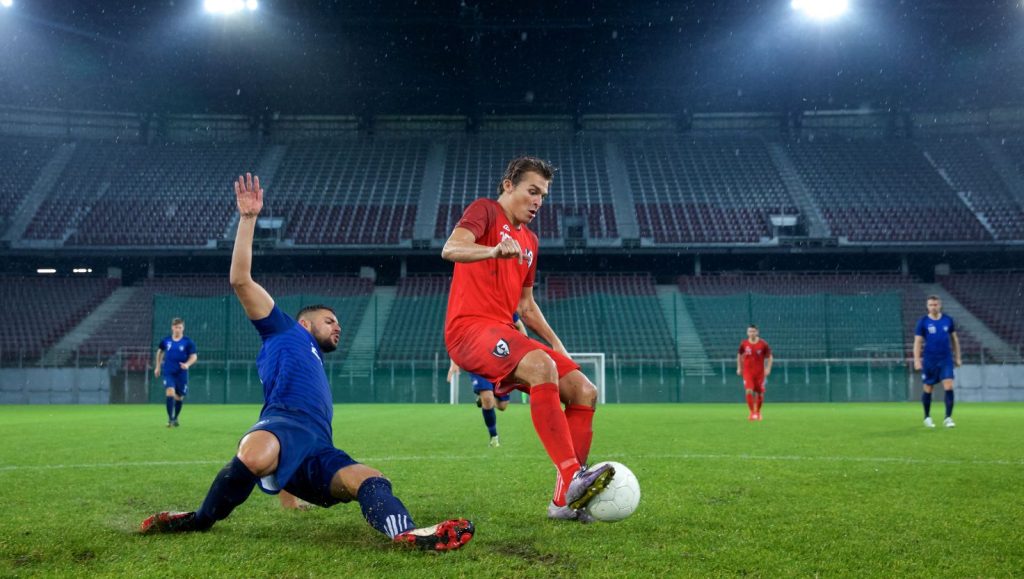
Flooding and heavy downpours have become a seasonal nemesis for Nigerian football, disrupting leagues and frustrating both players and supporters. The rainy season can render pitches unusable, leading to match postponements and increased injury risks. A saturated field compromises surface traction, resulting in slips and unpredictable ball movement that challenge even the most skilled players.
Technically, diminished surface friction during heavy rainfall causes faster ball roll but with less control—a significant obstacle that players and coaches must account for. Football boots featuring cleat designs from Mizuno and Umbro have been tested more rigorously, with some opting for longer studs for better grip on soggy turf. Goalkeepers face the challenge of handling a heavier ball that picks up water, requiring quick reflex adaptations and modified catching techniques.
Many Nigerian football venues, especially grassroots grounds, lack adequate drainage systems, exacerbating flooding effects. Professional clubs and the Nigerian Football Federation have acknowledged this infrastructure gap. Renovations and investments to make pitches climate-resilient are slowly gaining traction, inspired by successful stadium improvements across other African countries. Until then, teams like Lagos’ top clubs accept interruptions as an unavoidable part of the game.
- Increased match suspensions due to flooded pitches
- Necessity of specialized cleat and ball-handling techniques in wet conditions
- Struggles with inadequate drainage systems at grassroots and elite levels
- Emerging efforts to modernize stadium infrastructure for climate resilience
Scheduling of major tournaments also contends with weather constraints. The Africa Cup of Nations (Afcon) has faced date shifts due to floods and heat, reflecting a continent-wide push to protect players’ health and performance. In Nigeria, similar adjustments to the domestic football calendar are under ongoing discussion to avoid peak rainy months and extreme heat peaks, improving gameplay continuity and fan engagement.
Adaptive Strategies Employed by Nigerian Football Teams to Overcome Weather Challenges
Nigerian football squads are increasingly embedding environmental awareness into their training and matchday tactics, demonstrating resilience against climate-induced hurdles. Changes range from adjusting practice times to employing sports science innovations that accommodate variable weather conditions.
Even elite teams align their schedules to the cooler evening hours or early mornings to sidestep daytime heat extremes. Physiologists on staff monitor core body temperatures and hydration status, ensuring players avoid heat exhaustion during sessions. Meanwhile, coaches tweak formations for energy conservation and tactical efficiency under climatic strains.
Equipment choices reflect this adaptive mindset. Clubs encourage players to use cleats from Hummel and Asics designed for wet or dry conditions, switching types depending on forecast and pitch state. The emergence of smart sportswear with embedded sensors allows real-time monitoring of player vitals, further elevating personalized responses to weather stressors.
- Training predominantly in evenings or during cooler parts of the day
- Utilizing physiological data and hydration monitoring technologies
- Strategic substitution rules to alleviate player fatigue and injury risk
- Equipment customization featuring brands like Mizuno and Umbro suited for weather variability
Beyond the pitch, football institutions and foundations encourage knowledge sharing on climate impacts. Workshops educating players and officials enhance preparedness for weather-related interruptions. The Football Foundation for Africa, with advocates like CEO Brian Wesaala, emphasizes retrofitting sports facilities and advocating for green initiatives, underscoring the blending of sports passion and environmental stewardship.
The Crucial Role of Sports Infrastructure in Mitigating Weather Disruptions in Nigerian Football
Infrastructure remains a pillar in the battle against extreme weather’s spoiling effects on football. Nigerian stadiums and pitches face many challenges due to limited climate integration, causing frequent cancellations and deteriorating playing conditions. Unlike modern stadiums equipped with advanced drainage and climate control, many Nigerian fields are vulnerable to heavy rains, flooding, and heatwaves.
Grassroots pitches often lack weather-resilient surfaces, and maintenance routines are hampered by resource constraints. Consequently, fragile surfaces increase player injury risk and reduce match quality. To counter this, there is momentum toward adopting all-weather turf installations and incorporating rainwater harvesting systems to maintain pitch hydration sustainably.
At higher competition levels, green technologies—ranging from solar-powered floodlights to eco-friendly materials—are being researched and increasingly adopted. Sportswear companies such as Nike, Adidas, and Puma actively collaborate with sporting bodies to integrate sustainable practices, supplying eco-conscious gear and supporting awareness initiatives. This synergy highlights an evolving vision of football that respects environmental limits while fostering peak performance conditions.
- Investment in all-weather artificial turf and upgraded drainage systems
- Adoption of renewable energy and eco-friendly stadium technologies
- Collaborations with major sportswear brands promoting sustainability
- Community-based initiatives to preserve natural resources around sports areas
Challenges persist, especially in rural zones where climate vulnerabilities are greatest and funding limited. However, growing stakeholder awareness indicates a positive shift. The 2026 Youth Olympic Games in nearby Senegal have further propelled pan-African climate-resilient sports projects, inspiring Nigerian organizers of upcoming tournaments like Afcon 2025-2026 to place weather considerations front and center.

Envisioning Sustainable and Climate-Resilient Football in Nigeria’s Future
The pathway to securing Nigerian football’s future amidst climate uncertainty lies in sustainable adaptation and innovation. At the heart of this effort is recognizing football as not only a game but a cultural cornerstone and economic driver challenged decisively by extreme weather.
Multiple stakeholders are converging to implement strategies addressing both immediate adaptations and long-term resilience. Measures include recalibrated competition calendars, investment in sports medicine focused on heat and hydration stress, and enhanced grassroots education programs on climate change.
Sportswear giants like Under Armour, New Balance, Kappa, and Asics are stepping up, supplying performance gear coupled with environmentally conscious manufacturing. Teams adopting these advances benefit from improved comfort and reduced ecological footprints. Moreover, governing bodies are urging the incorporation of climate science in decision-making, reshaping football scheduling to avoid the harshest weather and reinforcing healthcare protocols to avert heatstroke and related injuries.
- Integration of climate data into training and match scheduling
- Enhanced sports medicine practices targeting climate-related health risks
- Promotion of sustainable sportswear and equipment by leading brands
- Community outreach and education efforts engaging grassroots and elite levels
Looking ahead to the 2027 Africa Cup of Nations co-hosted by Kenya, Tanzania, and Uganda, and Nigeria’s own preparations for future tournaments, these trends hint at a football culture resilient not only to opponents on the field but to climate’s evolving challenges off it. The game’s thrilling unpredictability may soon come to include weather as an intrinsic factor, shaping every pass, goal, and fan moment.