
Football’s greatest moments live on in our memories, etching unforgettable scenes into the history books. From unexpected comebacks to legendary goals, these iconic football matches captivate the hearts of fans. Relive the thrill, the passion, and the drama that define these spectacular games. Ready to journey back to the unforgettable highlights that made us cheer, gasp, and celebrate?
The magic of the 1966 World Cup final
The 1966 World Cup final at Wembley Stadium remains iconic in football history. England’s triumph over West Germany captivated fans worldwide. The match featured moments that defined the beautiful game. Geoff Hurst’s hat-trick, the first in a World Cup final, elevated England to glory. The controversial goal, debated to this day, added to the drama. Fans recall the electric atmosphere, the tension, and the jubilation.
- Geoff Hurst’s historic hat-trick
- The infamous “Wembley goal”
- England’s only World Cup victory
England vs West Germany: a thrilling finale
In 1966, England faced West Germany in a pulsating finale at Wembley. The match witnessed Geoff Hurst’s controversial goal, sparking debate. England triumphed 4-2 in extra time. Fans still cherish this iconic encounter, where national pride soared and footballing legends emerged.
Geoff Hurst’s hat-trick: a moment in history
Geoff Hurst’s hat-trick in the 1966 World Cup final stands as a monumental achievement. He remains the only player to score three goals in a final, sealing England’s 4-2 victory over West Germany. His controversial third goal, with the ball bouncing off the crossbar, still sparks debates today. This performance solidified Hurst’s legacy in football folklore. England’s triumph at Wembley remains unforgettable.
The miracle of Istanbul 2005
The miracle of Istanbul in 2005 stands as one of the most iconic football matches ever. Liverpool, trailing 3-0 at half-time against AC Milan, staged a breathtaking comeback. With goals from Gerrard, Smicer, and Alonso, they levelled the score. Liverpool triumphed in a nail-biting penalty shootout, etching this night in football history.
Liverpool vs AC Milan: an incredible comeback
Liverpool’s dynamic match analysis reveals their astounding 2005 comeback against AC Milan. Trailing 3-0 at halftime, Liverpool’s sheer determination led to a 3-3 draw, followed by a penalty shootout victory. This iconic match exemplifies the unpredictable nature of football, demonstrating resilience and tactical brilliance on the grandest stage.
Steven Gerrard’s leadership: the turning point
Steven Gerrard’s leadership inspired Liverpool’s comeback in the 2005 Champions League final. His presence on the pitch shifted momentum. Key elements of his leadership included:
- Motivation: Rallied teammates with unwavering belief.
- Decisive goals: Scored the crucial header.
- Positional awareness: Adapted to midfield demands.
- Resilience: Maintained composure under pressure.
The 1999 Champions League final
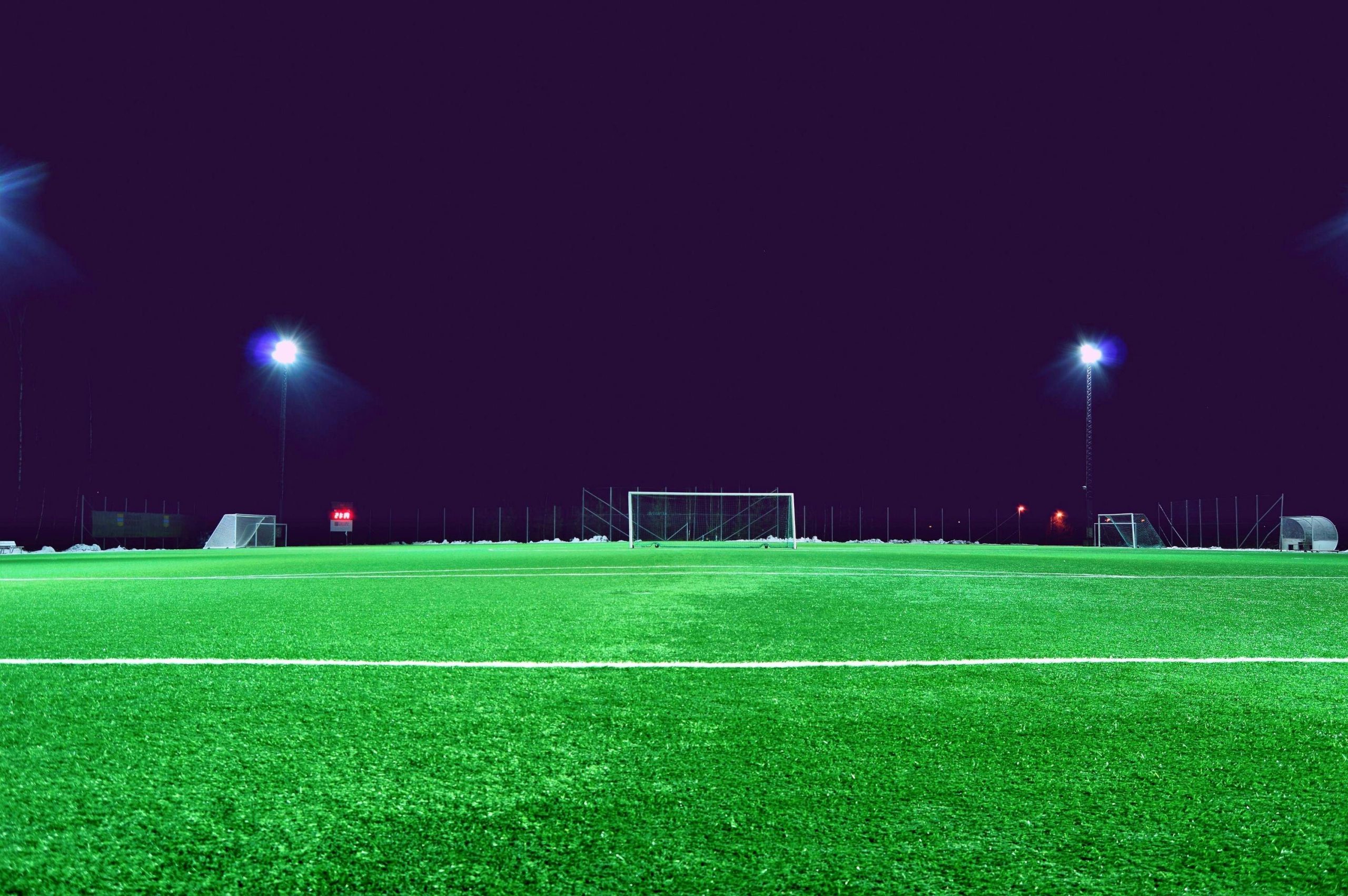
The 1999 Champions League final remains etched in football lore. Manchester United triumphed over Bayern Munich in a match filled with last-minute drama. With the clock ticking, substitutes Solskjær and Sheringham turned the tide, clinching victory in stoppage time. This unforgettable night in Barcelona showcased the unpredictable beauty of football.
Manchester United vs Bayern Munich: last-minute drama
In the 1999 Champions League final, Manchester United faced Bayern Munich in a match that remains iconic for its dramatic finish. With Bayern leading 1-0, United scored twice in stoppage time, thanks to Sheringham and Solskjær. This astonishing turnaround stunned fans and solidified United’s legacy. The victory showcased the essence of football’s unpredictability. The match’s impact on fans worldwide highlighted the importance of expert commentary in capturing the emotion of such unforgettable moments.
The impact of substitutes: Solskjær and Sheringham
In the 1999 Champions League final, the introduction of Solskjær and Sheringham dramatically altered the match’s outcome. Their late goals led Manchester United to a stunning victory over Bayern Munich. This strategic move by Sir Alex Ferguson remains a masterclass in using substitutes to shift momentum.
The 1970 World Cup semi-final
The 1970 World Cup semi-final showcased a spectacular clash between Italy and West Germany, often dubbed as the game of the century. Held in the searing heat of Mexico, the match extended to extra time, filled with nail-biting tension and five goals. Italy eventually triumphed 4-3, but not without Franz Beckenbauer’s heroic efforts, playing with a dislocated shoulder. The relentless drama and emotional intensity of this encounter continue to captivate football enthusiasts, marking it as one of the most iconic football matches in history.
Italy vs West Germany: the game of the century
Italy vs West Germany in 1970, known as the “game of the century,” enthralled fans worldwide. Both teams showcased incredible stamina and skill during extra time. Italy triumphed 4-3, with a dramatic finish. This match remains a hallmark of football excellence.
- Extra time brilliance
- Grit and determination
- Unforgettable goals
- Legendary players
- Historic rivalry
Today, fans relive this spectacle through advanced viewing platforms, preserving its legacy.
Franz Beckenbauer’s heroics: playing with injury
Franz Beckenbauer, surnommé “Der Kaiser”, incarne le courage et la résilience lors de la demi-finale de la Coupe du Monde 1970. Jouant avec une épaule disloquée, il refuse de quitter le terrain, devenant un symbole de détermination pour l’Allemagne de l’Ouest. Son ténacité inspire ses coéquipiers dans ce match légendaire contre l’Italie. Malgré la défaite, son héroïsme reste gravé dans l’histoire du football, montrant l’importance de la volonté et du sacrifice dans le sport.
The 2010 World Cup semi-final
Spain’s clash with Germany in the 2010 semi-final showcased the dominance of tiki-taka. Spain controlled possession, leaving Germany chasing shadows. Carles Puyol’s decisive header sealed the victory.
- Spain’s fluid passing game
- Germany’s defensive resilience
- Puyol’s iconic goal
- Strategic Spanish substitutions
- Germany’s missed opportunities
Spain vs Germany: the rise of tiki-taka
In the 2010 World Cup semi-final, Spain’s clash with Germany marked the definitive rise of tiki-taka. This style, characterised by quick passes and possession, frustrated Germany. Spain’s midfield maestros, including Xavi and Iniesta, controlled the tempo, leading to Carles Puyol’s decisive header. This match showcased the beauty of tiki-taka, earning Spain a spot in the final. As fans relive such iconic football matches, they seek uninterrupted live streams to capture the essence of those unforgettable moments.
Carles Puyol’s decisive header: sealing victory
Carles Puyol’s thumping header against Germany in 2010 secured Spain’s place in the World Cup final. His fierce determination and impeccable timing epitomised Spanish resilience. This iconic moment highlighted the strength of their tiki-taka philosophy, capturing the hearts of football enthusiasts worldwide.
Common Questions
What made the 1966 World Cup final memorable?
The 1966 final saw England clinch their first World Cup title at Wembley. Geoff Hurst’s hat-trick, still the only one in a final, remains legendary. The match ended 4-2 after extra time, with a controversial goal still debated today.
Why is the 2005 Champions League final called ‘The Miracle of Istanbul’?
Liverpool’s comeback from a 3-0 deficit at half-time against AC Milan defines the miracle. Steven Gerrard’s leadership inspired the team to draw 3-3, eventually winning on penalties. The match exemplified resilience and spirit.
How did substitutes impact the 1999 Champions League final?
Manchester United’s substitutes, Solskjær and Sheringham, turned the game around. In the final minutes, they scored the decisive goals against Bayern Munich, securing a 2-1 victory. Their impact underscores the value of tactical changes.
What was significant about the 1970 World Cup semi-final between Italy and West Germany?
This match, known as the ‘Game of the Century’, featured dramatic turns and a 4-3 scoreline. Franz Beckenbauer’s performance, playing with a dislocated shoulder, symbolised courage. The game showcased football at its finest.
How did Spain’s tiki-taka style influence the 2010 World Cup semi-final?
Spain’s tiki-taka, characterised by short passes and movement, dominated Germany. Carles Puyol’s header sealed a 1-0 victory. This match highlighted the strategic evolution of football and Spain’s rise to dominance.