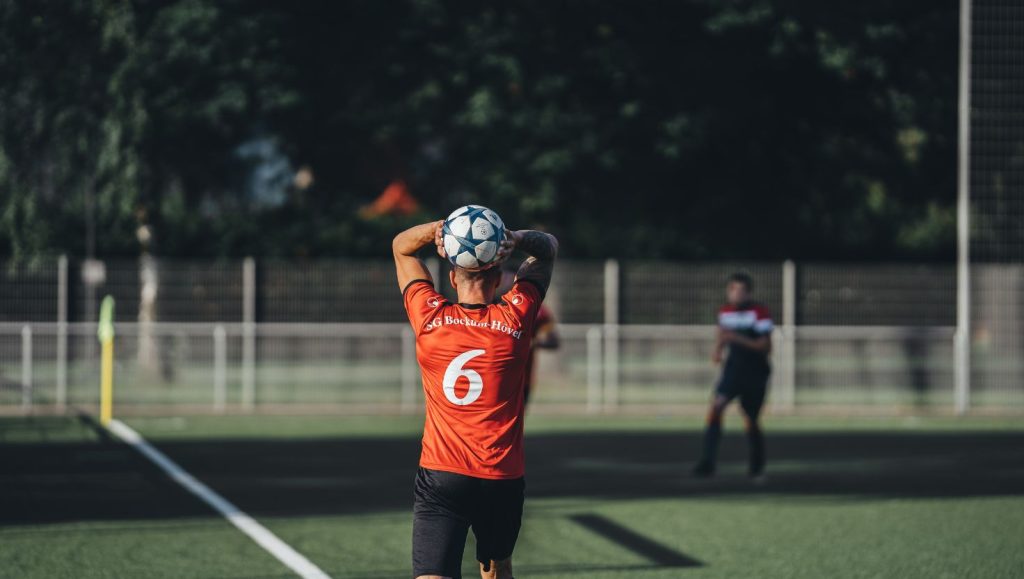
South African football in 2025 stands at a pivotal crossroads where the passions of local league fervor intertwine with the strategic demands of international competitions. The country’s football ecosystem is unique, juggling the intense energy of local leagues with the prestige and exposure that come from international friendlies. This intricate balance presents both massive opportunities and complex challenges for players, coaches, administrators, and fans alike. On one hand, local clubs, especially giants like Mamelodi Sundowns with their incredible record of six consecutive league titles, dominate domestic competitions and foster homegrown talent. On the other hand, international friendlies act as vital platforms to showcase South African football prowess on a global scale, stimulate fan engagement, and attract sponsorships from global brands like Nike, Adidas, and Puma.
What makes this balancing act particularly fascinating is how South Africa manages to maintain vigorous competition at home while preparing its national teams and players for international challenges, all amid a rapidly shifting global sports environment. Strategic scheduling of friendlies, managing the physical and mental fitness of players, and addressing club versus country conflicts require exceptional organizational skills. Furthermore, the rise of women’s football and diasporic players adds layers of diversity and talent to the scene. This article explores how South African football navigates these multi-dimensional demands efficiently, spotlighting how it can sustain growth, equity, and international acclaim.
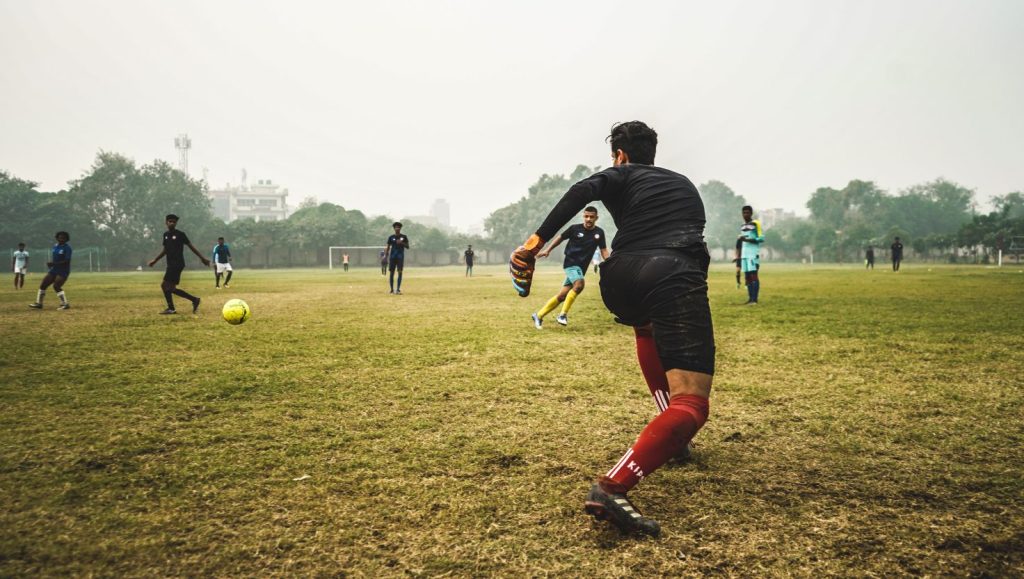
Managing Player Commitments: The Dual Demands of International Friendlies and Local League Play in South Africa
One of the most pressing aspects of South African football’s balancing act lies in managing player commitments across multiple fronts. The local leagues, epitomized by the highly competitive HollywoodBets Super League for women and the Premier Soccer League (PSL) for men, demand consistency and stamina. Meanwhile, the national teams — Bafana Bafana (men’s) and Banyana Banyana (women’s) — require preparation and participation in international friendlies, often arranged in tight windows that overlap with league calendars.
This dual demand has far-reaching consequences on player performance, injury management, and team cohesion. For example, the Mamelodi Sundowns, which fields some of the country’s top talents including six ladies selected for the FIFA Women’s World Cup, must carefully plan training loads to avoid burnout. Clubs depend heavily on sponsorships from Under Armour, Lotto, and New Balance, making player availability critical to maintaining form and reputation.
Balancing training intensity and recovery
Scheduling becomes a sophisticated juggling act, where coaches from clubs and national teams coordinate exertion levels. Overexertion reverberates not only in fatigue but also in heightened injury risks that could sideline players during crucial stages of league competitions or international tournaments. The emergence of sports science and rehabilitation technologies, including collaborations with global apparel brands like Reebok and Asics, helps teams monitor player health better.
Impact on team chemistry and tactical continuity
International friendlies are not competitive scrutinies; rather, they are experimental labs for national coaches, testing new formations and player combinations. This variability can lead to disrupted rhythm in local teams, who might lose their key players temporarily. It raises questions about how cohesion is sustained across club and national setups. A player like Tiyani Mabunda — renowned as a club legend but also a pivotal presence in the national squad — must frequently shift tactical mindsets.
Stakeholders and their interests in the scheduling puzzle
- Clubs: Want to keep their star players fresh and available for domestic titles and continental competitions such as the CAF Champions League.
- National teams: Seek to maximize preparation and exposure through high-profile friendlies and tournaments.
- Sponsors: Brands like Umbro and Kappa desire player visibility on international platforms for brand exposure.
- Fans: Demand competitive matches and crave opportunities to watch top players representing the nation.
The harmony among these stakeholders continues to challenge the South African Football Association (SAFA), especially as FIFA and CAF schedule more international fixtures. Innovative solutions like flexible fixture windows, multisport event integration, and digital platforms for real-time communication are being piloted to optimize this balance. For fans wanting more insight into scheduling and live-game updates, platforms such as The Live Football App provide excellent real-time coverage reflecting the dynamic rhythms of the football calendar.
Strategic Importance of International Friendlies: Opportunities for South African Football on the World Stage
International friendlies do more than fill the football calendar — they act as strategic touchpoints for South African football’s development and international branding. Beyond testing team chemistry, friendlies serve as launching pads for talent discovery and marketing opportunities that resonate globally. The sustained interest from powerhouses such as Nike and Adidas in sponsoring international fixtures underscores the commercial potential these games hold.
For South Africa, deploying friendlies against diverse international opponents is an integral part of preparing for major tournaments like the FIFA World Cup or the Africa Cup of Nations. It helps assess tactical flexibility, identify key performers like Lumka Qhekeka shooting for the stars, and refresh team dynamics. The country also capitalizes on these occasions to spotlight its rising stars in domestic leagues, such as the HollywoodBets Super League, whose players increasingly feature prominently in squad selections.
Building international football credibility
Friendlies arranged in partnership with leagues abroad, including those in Europe and Asia, allow South Africa to grow its football relationships and tap into scouting networks. For instance, young talent gaining exposure in matches against European counterparts increases the chances of overseas club recruitment, where brands such as New Balance and Lotto are actively involved in sponsorship.
Enhancing fan engagement and global viewership
The staging of friendlies attracts intense media coverage and fan interaction. Social media integrations and streaming platforms, like the ones found on The Live Football App, transform viewership experiences through real-time commentary, interactive stats, and multiple game feeds. These technological advances make international matches accessible to a broad audience, helping brands such as Puma and Umbro solidify their presence in African football circles.
Driving economic gains through friendlies
- Tourism: International friends bring foreign visitors, stimulating local hospitality industries.
- Sponsorships: Infuse fresh capital into football ecosystems through global brand partnerships.
- Broadcasting Rights: Sellable content that generates revenue streams supporting grassroots and elite football development.
With Africa anticipated to be the fastest-growing gaming region, the intersection of esports and football also introduces new possibilities for fan interaction in these international setups. Players like Uyanda Msomi, the FIFA ’23 championship’s youngest champion from Mamelodi Sundowns, represent the bridging of traditional football and digital gaming cultures.
Challenges Posed by Overlapping Fixtures: Impact on South Africa’s Football Ecosystem
One of the greatest hurdles confronting South African football in 2025 involves the overlapping of international friendlies with local league matches. This overlap generates friction between club commitments and national representation, often forcing players and coaches into difficult choices that could affect their careers and team ambitions.
The tension has increased since the global football calendar has become more congested, partly due to FIA international breaks and CAF scheduling adjustments. Clubs like Mamelodi Sundowns, with their extensive CAF Champions League campaigns, find themselves stretched thin. Players must sustain elite performance levels over a demanding season that includes domestic league fixtures, continental tournaments, and international friendlies.
Issues resulting from fixture congestion
- Player fatigue and injuries: Increased risk due to reduced recovery times.
- Team selection dilemmas: Coaches forced to rotate squads heavily, sometimes compromising results.
- Fan frustrations: Disrupted continuity in squad availability may affect fan loyalty and match attendance.
- Financial considerations: Losses from lower ticket sales and broadcast ratings when top players are absent.
Potential mitigations and innovations
SAFA and league management bodies have explored solutions such as lifting fixture windows, rotating friendly matches around international breaks, or integrating multi-game streaming approaches. Notably, The Live Football App’s multigame streaming guide offers an innovative perspective by enabling fans to follow multiple matches simultaneously, helping maintain engagement despite player absences.
Another avenue includes revisiting the alignment of local league calendars with AFCON and CAF competition dates, ensuring that the most valuable players are available for essential fixtures without excessive strain. Coordinated dialogue between club managers, national team coaches, and sponsors like Asics and Reebok has become crucial to crafting pragmatic fixture solutions.
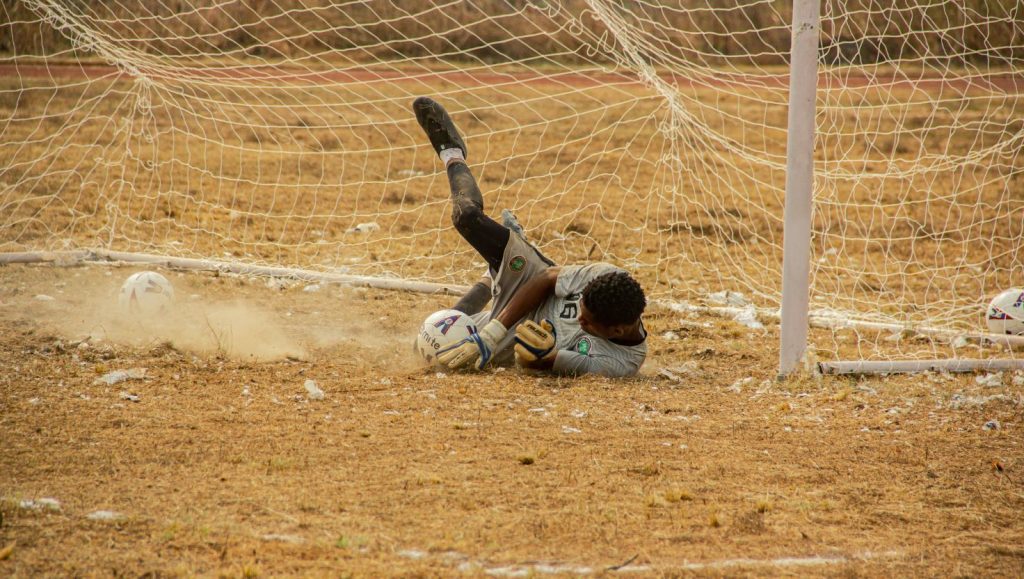
How Local League Play Fuels South Africa’s Football Culture and Talent Development
While international friendlies grab headlines, it is the heartbeat of South African football—the local leagues—that sustains the passion, nurtures talent, and shapes the nation’s unique football identity. Clubs such as Mamelodi Sundowns have left an indelible mark by securing a record number of league titles and consistently producing players who feature in international fixtures.
The HollywoodBets Super League, relatively young but rapidly growing, has enabled women’s football to flourish. The spotlight on six senior Sundowns ladies in the Banyana Banyana squad for the FIFA Women’s World Cup exemplifies how domestic leagues cultivate international-ready talent. The accessibility of the local matches, supported by kit supply from brands like Nike, Kappa, and Lotto, ensures widespread community engagement beyond the major metropolitan hubs.
Pathways for youth development
Grassroots programs connected to professional clubs encourage young prospects to dream big. This ecosystem includes academies with access to modern facilities, experienced coaches, and sponsorship deals that provide quality kits and training gear. The importance of digital platforms cannot be overstated as opportunities for young players now extend into digital tournaments and esports collaborations, encouraging multifunctional development.
Community impact and fan interaction
- Local pride: Communities rally behind their clubs, forging social bonds and socio-economic upliftment.
- Employment opportunities: From players to support staff, a growing football industry fuels jobs.
- Social projects: Clubs often engage in outreach, education, and health initiatives enhancing societal well-being.
For supporters and aspiring players alike, access to live local matches, often streamed through services outlined in guides like The Live Football Broadcasting Guide, keeps football culture thriving on a grassroots level. The convergence of media, community engagement, and sports branding from Under Armour to Puma contributes to a vibrant footballing atmosphere uniquely South African.
Global Sportswear Brands’ Role in Supporting South African Football’s Dual Structure
The involvement of global sportswear giants such as Nike, Adidas, Puma, Under Armour, Reebok, Umbro, Kappa, New Balance, Lotto, and Asics is crucial to sustaining and growing both South Africa’s local leagues and its international friendly matches. These brands do more than supply kits—they invest in player development, sponsorships, and high-profile event visibility, effectively weaving themselves into football’s cultural fabric in South Africa.
Partnerships manifest in jersey designs, training gear innovations, and community programs, influencing both performance and market appeal. For example, Nike and Adidas frequently supply the uniforms for international matches boosting brand exposure, while Lotto and Kappa often support grassroots initiatives that nurture the next generation of stars. Umbro and Puma focus on the middle-tier league clubs, helping elevate competitiveness through enhanced equipment quality.
Commercial synergies and fan engagement
- Merchandising: Fan gear boosts revenue streams for clubs and the brands themselves.
- Event sponsorship: Backing tournaments and friendlies that bring international attention.
- Technology partnerships: Innovation in sportswear optimizes player comfort and injury prevention.
Moreover, the increasing integration of digital streaming, such as described in The Live Football Streaming Subscriptions Guide, enhances brand visibility across continental and global markets. This intersection of technology, sports, and commerce encourages a robust footballing ecosystem that benefits all stakeholders. With esports rising fast, brands like Reebok are also expanding presence by endorsing players like Uyanda Msomi, bridging the gap between traditional and digital sports experiences.