
Football’s relationship with data has transformed from a mere curiosity into a fundamental pillar of the modern game. Real-time data is no longer just an additional tool; it underpins the strategies that coaches design, the player performances they monitor, and the fan experiences that keep stadiums and screens buzzing. As broadcasting reaches an average of 820,000 viewers across multiple platforms like NBC and Peacock, football has embraced a new era where every move, pass, and tactical shift is dissected through the lens of advanced analysis.
This evolution starts behind the scenes—on training grounds, in tactical meetings, and technology hubs—where innovations from companies like Zebra Technologies and Catapult feed detailed, instantaneous information into coaching systems. These insights allow for instant adaptations during matches and fine-tuned preparation for upcoming opponents.
Meanwhile, cutting-edge platforms such as Hudl, Sportscode, and Second Spectrum revolutionize scouting and player tracking by turning mountains of data into actionable insights. From monitoring player fitness to identifying subtle tactical advantages, data’s impact is felt at every level, reshaping how the sport is coached and experienced.
In a world where IBM Watson and Opta provide powerful data analytics and predictive capabilities, football coaching is undergoing a technological renaissance — one that promises smarter decisions, stronger teams, and an ever more engaging game for fans worldwide.
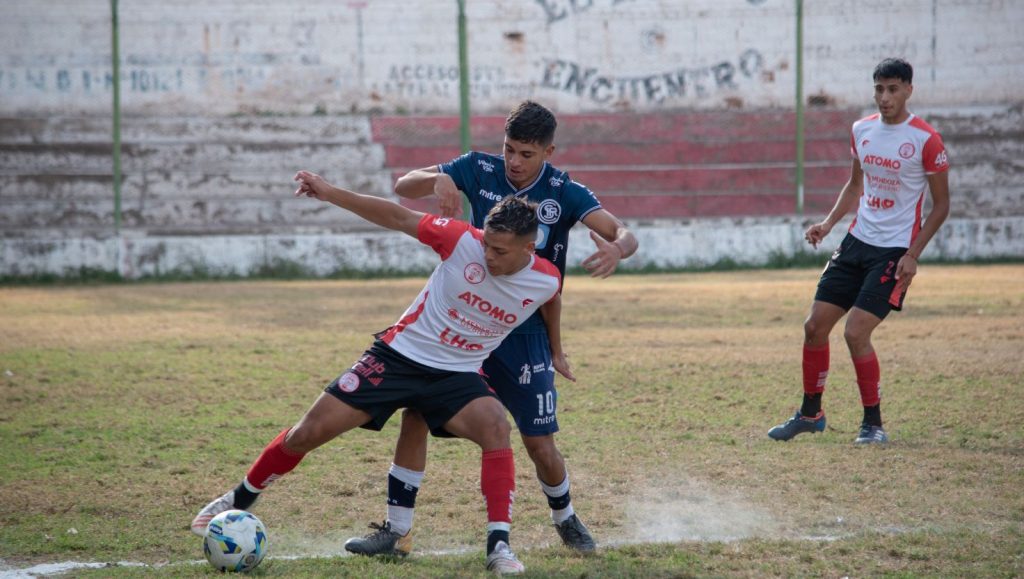
Transforming Player Performance with Real-Time Analytics in Football Coaching
The game on the pitch is intensely physical, but it’s the invisible currents beneath — the data points streaming live — that have changed how coaches gauge player performance. No longer reliant solely on traditional metrics like goals or successful passes, teams now harness data in real time to evaluate everything from distance covered to heart rate variability. This enables a dynamic understanding of a player’s condition, allowing a tailored approach to workload management and injury prevention.
For instance, a professional footballer’s fatigue level can be precisely measured using wearable devices from Catapult. These wearables track key indicators like acceleration and deceleration rates, while metrics from TRACAB and Zebra Technologies provide positional data that reveals a player’s positioning and movement patterns during matches.
Coaches use this trove of real-time data to make split-second decisions on substitutions. If a striker shows signs of sluggish reaction times or altered running mechanics, the manager can opt to bring on a fresher player before performance dips irreversibly. This fine balance between physical output and strategy is crucial in tightly contested games where every moment counts.
Moreover, this data-driven approach extends beyond matchdays. During training sessions, systems like Sportscode and Stats Perform offer instant feedback, highlighting areas where players excel or struggle. Consequently, coaches can customize drills and tactical sessions to sharpen individual and collective skills in a targeted manner.
- Monitoring real-time heart rate and stress to avoid injury risks
- Using positional data to optimize spatial awareness and tactical placement
- Tracking player load and recovery to sustain peak performance across long seasons
- Adjusting tactical roles mid-game based on live analytics
| Technology | Purpose | Impact on Performance |
|---|---|---|
| Catapult Wearables | Real-time tracking of physical metrics | Enables workload management and fatigue prevention |
| Zebra Technologies | Player positional and movement tracking | Improves tactical decisions and positioning awareness |
| Sportscode | Video tagging and instant analysis | Supports tactical feedback and targeted training |
| TRACAB | Real-time location data | Assists in dynamic game management |
Such advancements mark a clear shift from reactive coaching to proactive management of player health and output. Teams that have embraced these technologies often report fewer injuries and more consistent form throughout grueling league campaigns.
The Tactical Evolution: How Real-Time Data Drives Game Strategy in Football Coaching
When it comes to game day, real-time data is the coach’s new best friend. Tactical decisions that once relied heavily on gut feel are now bolstered by robust data sets offering insight into opponent weaknesses and exploitative strategies. Teams have access to detailed metrics like expected goals (xG), possession percentages, pressing efficiency, and pass completion rates, all updated live.
These numbers help coaches tweak formations and adjust tactics even mid-match. Historical patterns, recognized by AI systems such as IBM Watson, are combined with live streams analyzed by platforms like Second Spectrum to reveal shifting dynamics on the field.
A great example of this can be seen in how Liverpool uses Opta’s data to adjust pressing schemes in real time. If an opposing team prefers attacking down the wings, the fullbacks adjust their positioning to close those channels immediately. Similarly, when data reveals a key playmaker’s susceptibility under high pressure, coaches instruct their team to intensify marking on that individual.
Key ways real-time data influences tactical decisions include:
- Analyzing opposition patterns to identify and exploit tactical weaknesses
- Determining optimal formation switches based on current field dynamics
- Timing substitutions not just by physical fatigue but by performance analytics
- Adjusting pressing and defensive lines leveraging live positional data
| Tactical Scenario | Real-Time Data Indicator | Coaching Response |
|---|---|---|
| Opposition playing narrow defensive block | Low xG despite high possession | Shift to wider attacks and wing overloads |
| Opponent key midfielder losing ball frequently | High turnover rate | Increased pressing intensity on that player |
| Team shows decreased pass accuracy late in game | Deteriorating pass completion % | Substitute with fresher players in midfield |
Coaches who wield real-time data with precision transform snapshots of a chaotic match into strategic opportunities. This technological boost enhances pre-game planning and ensures adaptability in the heat of competition.
Next-Generation Football Scouting: Real-Time Data’s Role in Recruitment and Talent Identification
Football recruitment has experienced a seismic shift with the integration of real-time data analytics. The traditional scouting process, once dependent on subjective observations and limited viewing, now benefits from extensive datasets that provide an objective foundation for talent evaluation.
Platforms like Hudl and Stats Perform deliver comprehensive player profiles by aggregating tracking data, performance metrics, and even biomechanical analysis. This allows clubs to scout talent globally, comparing potential signings not just on highlights but on consistent data patterns.
One standout example is Bayern’s approach through Bavarian Football Works, where recruitment relies heavily on data signals highlighting undervalued or rising stars. Data from TRACAB on players’ positioning and decision-making ability complements video footage flagged by Hudl’s platform for thorough assessment.
Real-time data has led to the emergence of:
- Metrics-based talent identification reducing risk of expensive transfers gone wrong
- Live performance tracking during trial matches and loan spells
- Comparative analytics across leagues and age brackets
- Biomechanical and movement data highlighting potential injury concerns early
| Recruitment Component | Data Source | Benefit |
|---|---|---|
| Performance Metrics | Hudl, Stats Perform | Objective evaluation of player abilities |
| Positional & Tactical Analysis | TRACAB, Zebra Technologies | Understanding player suitability for team tactics |
| Injury Risk Assessment | Catapult Wearables | Minimizing transfer risks due to fitness issues |
| Video Footage & Analysis | Sportscode, Hudl | Complementing data with visual insights |
This new data-driven scouting model is disrupting older recruitment traditions by emphasizing measurable contributions over reputation. It allows clubs with smaller budgets to compete by unearthing talents overlooked by bigger teams relying on conventional scouting.

Reducing Injuries and Optimizing Player Welfare Through Real-Time Data in Football
Player welfare has taken center stage in modern football, and real-time data analytics plays a vital role in safeguarding athletes from injury while optimizing their performance levels. Advances in wearable technology and health monitoring devices made by Catapult give medical teams immediate access to vital signs such as heart rate variability, muscle load, and movement intensity.
Such real-time monitoring allows coaches and physios to detect the early warning signs of fatigue or overload. By adjusting training intensity or changing recovery protocols, teams reduce the incidence of fatigue-related injuries, which are often devastating to long campaigns.
Additionally, longitudinal data collection helps establish individual baselines to tailor fitness programs. This approach ensures players avoid common pitfalls like overtraining or insufficient recovery and recover faster from minor injuries.
- Continuous monitoring of physiological parameters to spot injury risk
- Data-driven load management during matches and training
- Customized recovery protocols based on real-time feedback
- Early injury detection through abnormal movement or stress patterns
| Health Focus Area | Data Indicator | Benefit to Player Welfare |
|---|---|---|
| Fatigue & Overload | Heart rate variability and acceleration data | Prevents overtraining and reduces injury risk |
| Movement Patterns | GPS tracking and biomechanical analysis | Detects inefficient or harmful motions |
| Recovery Monitoring | Real-time physiological feedback | Supports faster return to play |
| Injury Prevention | Predictive analytics | Proactive interventions mitigate injury occurrences |
Such integrations of health data analytics have proven pivotal for clubs like Liverpool and Leicester City, recognized for their proactive injury prevention programs. This approach increasingly correlates with consistent high-level performances amid demanding schedules.
Enhancing Fan Engagement and the Broadcast Experience Through Real-Time Football Data
The influence of real-time data extends beyond coaching and players—fans are now active participants in the analytical revolution sweeping football. Enhanced by streaming technologies and platforms, spectators gain access to live stats, tactical insights, and interactive features that deepen their understanding of the game.
Innovations from services like NBC’s streaming platforms, combined with interactive tools from Hudl and Stats Perform, turn matches into immersive experiences. Fans can watch games with real-time overlays indicating xG, possession stats, and player heat maps, making each moment richer with context. This deepens engagement, especially when fans follow games on multiple devices or access content globally through secure VPNs, expanding football’s reach.
Official football apps, like those listed at TheLiveFootballApp, enhance these experiences by curating live content along with instant updates and stats.
- Real-time match analytics streamed directly to fans worldwide
- Interactive heat maps and player statistics integrated into viewing platforms
- Multi-platform broadcasting providing seamless access across devices
- Secure and global content delivery enabled by VPN streaming solutions
| Fan Engagement Feature | Technology Provider | Impact on Viewership Experience |
|---|---|---|
| Live Data Overlays | Second Spectrum, Opta | Increases insight into game tactics and player performance |
| Streaming Platforms | NBC, Peacock | Expanded accessibility with multiple concurrent live matches |
| Interactive Apps | TheLiveFootballApp | Curated content with real-time score updates and stats |
| Global Secure Access | VPN technology | Allows fans worldwide to stream securely and privately |
The future promises even more personalized experiences leveraging AI and machine learning to customize content feeds based on fan preferences and engagement patterns. This ongoing transformation creates a more informed and connected global football community.