
The Premier League stands as the epitome of English football, captivating millions globally with its electrifying matches, fierce rivalries, and rich heritage. As the highest tier of England’s football pyramid, it not only embodies top-tier competition but also represents a showcase of world-class talent, innovative tactics, and passionate fandom. From its inception in 1992 to its status as the most watched league internationally, the Premier League’s story intertwines sporting excellence with commercial dynamism, media evolution, and cultural impact. Every season unfolds between August and May, hosting 380 tactical battles where 20 elite clubs vie for supremacy, battling for not just the coveted title but also European glory and survival. Television giants such as Sky Sports and BT Sport broadcast these encounters to a staggering 920 million homes across 189 countries, fueling an ever-expanding global following eager to witness the drama live or through various streaming platforms.
The league’s structure is a masterclass in competitive design. Each club plays 38 games, facing every other team at home and away, accumulating points—three for a win, one for a draw, none for defeat—with the champion crowned by total points earned. Those who falter at the bottom three face relegation to the Championship, replaced by ambitious contenders promoted through one of football’s most compelling playoff systems. This fluidity ensures not only sustained excitement but a meritocratic cycle essential for football’s vibrancy. The intertwining of commercial partnerships—Nike, Adidas, Puma, and licensing ventures by EA Sports—further intertwines the Premier League with the business of sport, while Barclays as a branding entity underscores the league’s richness and prestige.
This guide deep-dives into the Premier League’s multifaceted ecosystem. Readers will explore the league’s competitive system, delve into the remarkable historical milestones that shaped it, and unpack the influences of foreign players and managers who have transformed English football. From Manchester United’s record-breaking dominance under Sir Alex Ferguson to Leicester City’s improbable 2015/16 title win, every chapter reveals narratives of resilience, strategy, and evolution. Fans and aficionados seeking to enhance their experience through streaming options can discover in-depth insights on the best football streaming subscriptions and live services tailored to maximize the viewing of Premier League spectacles. With a clever blend of tradition, innovation, and commercial prowess, this guide illuminates why the Premier League continues to redefine professional football’s landscape in 2025 and beyond.
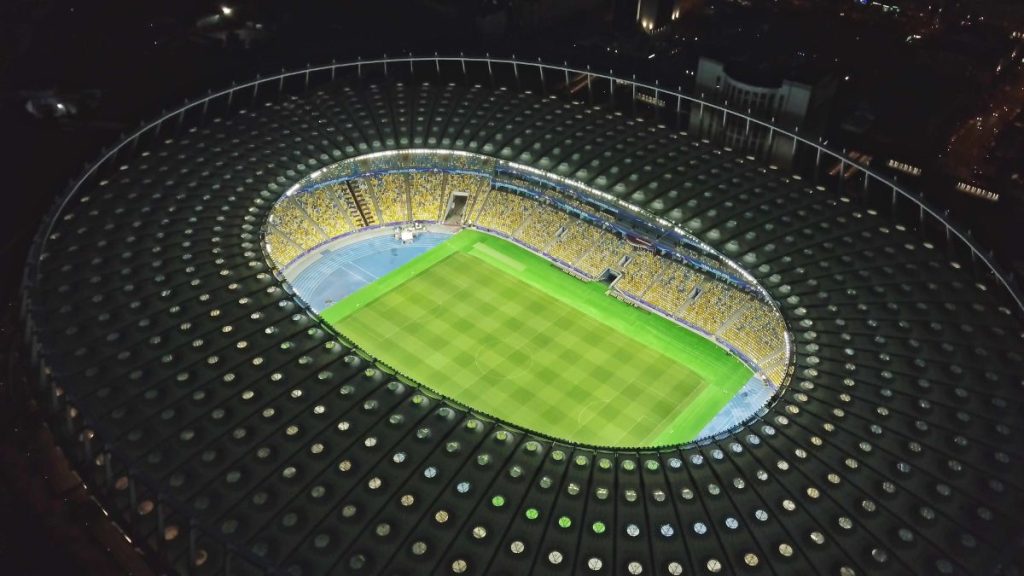
Premier League Competition System: Structure, Points, and Promotion-Relegation Dynamics
The Premier League’s competition system is meticulously designed to sustain high competitiveness and fairness throughout the season. Since its formation, the league has housed 20 teams each campaign, a structure that fosters intense contests given each club plays 38 matches—19 home and 19 away. Matches are calendared from August through May, culminating in a thrilling race for the championship title, European qualification, and survival. Every fixture counts, given the rigorous point system awarding three points for a win, a single point for draws, and nothing for losses, thereby incentivizing teams to strive for victory rather than complacency.
At the conclusion of the season, the team with the highest points collection earns the Premier League title, a coveted honor with both prestige and financial reward. In cases where teams are tied on points, the league employs specific criteria to break ties: goal difference first, then goals scored, followed by head-to-head points, and finally away goals scored in head-to-head matches. This well-rounded approach fair-guards competitive equity, ensuring every goal counts throughout the 380 scheduled matches.
Equally vital is the promotion and relegation mechanism, which roots the Premier League firmly within the broader English football pyramid. Each season, the three teams finishing at the bottom of the table are relegated to the EFL Championship. Their places are taken by three aspiring clubs from the Championship: the top two finishers automatically ascend, while the third spot is fiercely contested through playoffs among teams placed third to sixth. This dynamic injects an element of unpredictability and hope, demonstrated by teams like 2023/24 newcomers Luton Town, making their Premier League debut, eager to cement their place among England’s elite.
This system encourages clubs to balance ambition with sustainability—investments in players from giants like Nike, Adidas, and Puma—combined with tactical innovations to achieve success without risking financial instability. Broadcast rights held by Sky Sports and BT Sport ensure fans worldwide can follow every twist and turn.
| Competition Element | Description | Key Figures/Examples |
|---|---|---|
| Teams | 20 clubs compete each season | Includes ever-present clubs like Arsenal, Chelsea, Manchester United |
| Matches | 38 per team (19 home, 19 away) | 380 matches per season |
| Points System | 3 points win, 1 point draw, 0 points defeat | Champions with most points |
| Tiebreakers | Goal difference, Goals scored, Head-to-head points & away goals | Ensures fair ranking |
| Relegation | Bottom 3 teams drop to Championship | Replaced by Championship top 2 + playoff winner |
- Top four finishers earn UEFA Champions League spots.
- Fifth place and cup competitions can secure UEFA Europa League qualification.
- Sixth or lower may enter UEFA Europa Conference League based on cup outcomes.
- Promotion battles fuel Championship competitiveness and league fluidity.
Accessing Premier League Matches via Streaming Platforms
The modern viewer’s experience has been revolutionized by streaming platforms, with services offering exclusive access to Premier League games. Fans can leverage platforms such as Sky Sports and BT Sport which dominate UK broadcasting rights alongside international providers like Fox Sports. Importantly, for global fans, the rise of internet streaming has unlocked remarkable access; platforms detailed in the best football live streaming guide aim to provide high-quality, reliable streams of matches across devices. Subscription guides (football streaming subscriptions guide) explain the best options, helping fans select packages offering a mix of Premier League, Champions League, and cup competitions.
Additionally, multi-game streaming solutions highlighted in multigame streaming guides cater to aficionados wanting live feeds of concurrent matches, a common scenario during busy fixture days. As streaming technology advances, viewers gain unparalleled control of their football experience, combining convenience with cutting-edge viewing quality.
Tracing Premier League History: Founding Moments, Evolution, and Landmark Achievements
The Premier League’s journey began amid English football’s tumultuous early 1990s. Faced with declining attendance and hooliganism concerns, top clubs sought commercial independence and enhanced revenue streams, particularly leveraging broadcast deals to rival European financial powerhouses. The landmark Founder Members Agreement signed in July 1991 empowered the breakaway from the Football League, officially launching the Premier League in 1992 with 22 clubs. This rebellion heralded a new epoch, freeing clubs to negotiate lucrative TV contracts, especially with Sky Sports, which played a pivotal role in broadcasting reach and revenue.
From those origins, the league evolved rapidly: the initial 22 teams reduced to 20 by the 1995-96 season to streamline scheduling and intensify competition. Clubs embraced global markets, attracting foreign stars and managers, enriching playing styles, and boosting international appeal. Manchester United dominated the league’s first decades, securing 13 titles by 2013 under Sir Alex Ferguson. The 1994-95 triumph of Blackburn Rovers marked a standout challenge to the established order, while Arsenal’s unbeaten “Invincibles” season in 2003-04 remains an elite football achievement unmatched by any other squad in Premier League history.
Some seasons stand out dramatically: Manchester City’s record 19-point margin in 2017-18 demonstrates sheer dominance, while their razor-thin victory in 2011-12 over rivals Manchester United, sealed thanks to Sergio Aguero’s stoppage-time goal, epitomizes Premier League unpredictability and excitement. Leicester City’s stunning 2015-16 title paved the way for Cinderella stories, showing that underdog triumphs transcend odds and inspire football fans worldwide.
| Year | Champion | Notable Facts |
|---|---|---|
| 1992/93 | Manchester United | First Premier League champion |
| 1994/95 | Blackburn Rovers | Surprise champions during Man Utd’s era |
| 2003/04 | Arsenal | Unbeaten season “The Invincibles” |
| 2015/16 | Leicester City | 5000-1 odds title win |
| 2017/18 | Manchester City | Biggest winning margin (19 points) |
Influence of Foreign Players and Managers on the Premier League’s Tactical and Cultural Landscape
The Premier League owes much of its modern flair and competitive depth to the influx of international talent, which has fundamentally shaped its play style, managerial approaches, and cultural diversity. In 1992, foreign players were a minority, constituting roughly 11 across all teams. By 2025, foreign players dominate rosters, seamlessly blending with homegrown talents and raising tactical nuances. Well-known icons such as Thierry Henry, Cristiano Ronaldo, and Didier Drogba not only provided spectacular moments but also elevated the entire league’s global appeal. Likewise, legendary managers like Arsène Wenger and José Mourinho introduced philosophies emphasizing technical proficiency and strategic discipline that revolutionized English football.
This evolution has brought a range of playing styles to the Premier League—from the French flair and creativity championed by Wenger’s Arsenal to the pragmatic Italian defensive discipline under certain managers—resulting in a versatile and globally admired competition. The integration of foreign players and tactics has encouraged English players to elevate their skills, adapt novel training methods, and broaden their footballing mindset.
- Increase in percentage of foreign players from 11 in 1992 to majority in 2025.
- Notable foreign stars transforming club fortunes and fanbases.
- Managerial imports reshaping tactical ideologies and training regimes.
- Cross-cultural synergy contributing to enhanced competitiveness and entertainment.
Brands like Under Armour and global sportswear giants Adidas and Nike capitalize on these trends, supplying kits and products designed for a global, diverse player base. Moreover, the league’s media partnerships with Sky Sports and Fox Sports spread worldwide its vibrant football styles, continually attracting new fans.

Financial Growth and Commercialization of the Premier League: Television Rights, Sponsorships, and Global Impact
Financially, the Premier League’s skyrocketing revenue is a testament to business acumen and strategic partnerships. The inception of groundbreaking television deals with Sky Sports in the early 1990s set the foundation for unparalleled growth. Today, broadcast rights deals generate billions annually, underpinning clubs’ budgets and fueling a competitive market for top talent. Sponsorship agreements involve global giants such as Barclays, Nike, Adidas, and Puma, who not only supply kits but engage in multi-million-dollar marketing campaigns enhancing brand visibility and fan engagement.
These commercial successes enable clubs to make significant investments in world-class players and infrastructure, elevate stadium experiences, and expand global fan outreach. Additionally, game developers like EA Sports produce official Premier League video games, further extending the brand’s reach into interactive entertainment, appealing especially to younger generations. The league’s position as a global football powerhouse ensures merchandise sales and international tours, increasingly frequent in Asia and North America, contribute significantly to revenues.
| Revenue Source | Impact | Notable Partners |
|---|---|---|
| Broadcast Rights | Generates multi-billion pound deals fueling club budgets | Sky Sports, BT Sport, Fox Sports |
| Sponsorship & Merchandising | Enhances brand exposure and financial inflows | Barclays, Nike, Adidas, Puma |
| Gaming & Licensing | Extends global fan engagement through interactive media | EA Sports |
The financial muscle also raises complex challenges—debates around Financial Fair Play regulations aim to maintain competitive balance. Moreover, the Premier League faces a constant challenge to balance profitability with fan accessibility, especially concerning ticket pricing and broadcast costs. Platforms offering legal streaming options as elaborated in football streaming legality guides become vital for maintaining fan engagement.
Streaming Innovations Supporting Fan Engagement Worldwide
With the proliferation of digital technology, fans now access games via various platforms providing enriched experiences. Platforms spotlighted in best football streaming apps offer personalized schedules and multi-device viewing options. Integration with social media like the official Premier League Facebook page ensures fans remain connected with highlights, news, and interactive content.
Contemporary Challenges in the Premier League: VAR Controversies, Financial Fair Play, and Fan Perspectives
While the Premier League continues to be a beacon of football excellence, it faces multifaceted modern challenges. The introduction of Video Assistant Referee (VAR) technology aimed to enhance officiating accuracy, yet it remains contentious. Fans and players often debate its consistency and delays during pivotal moments. Balancing technological advances while preserving the flow and emotion of the game remains a delicate issue.
Financial Fair Play regulations, designed to curb excessive spending, have polarized opinions among stakeholders. Proponents consider them essential for sustainability, while critics argue they hinder the growth potential of ambitious clubs and maintain the dominance of wealthy entities. This ongoing tension underscores the complexity of football’s commercialization balancing act.
The Premier League has also witnessed fervent fan activism. Protests against ticket price hikes, ownership concerns, and the controversial European Super League proposal highlight fans’ pivotal role in shaping the league’s future. These episodes reflect the passion and deep-rooted connection between supporters and their clubs, reinforcing football’s communal essence amidst modernization.
- VAR debates on fairness and game continuity.
- Financial Fair Play as both protector and constraint.
- Fan protests shaping club decisions and league policies.
- Balancing tradition with innovation remains critical.
Ongoing efforts for a fair and engaging Premier League
Authorities continue to refine VAR protocols to minimize disruptions and enhance transparency. Likewise, negotiations around Financial Fair Play show attempts to level the playing field without stifling competition. Continued dialogue with fan bases reflects a commitment to preserving football’s heart while embracing necessary progress, essential for sustaining the Premier League’s stature globally.
Premier League Essential Facts & Figures – Records, Achievements, and Notable Clubs
Over the history of the Premier League, several clubs have etched their names into the record books and shaped English football’s narrative. A total of 51 clubs have competed since the league’s inception with only six, including Arsenal, Chelsea, Everton, Liverpool, Manchester United, and Tottenham Hotspur, maintaining an ever-present participation. Manchester United stands out with an unmatched 13 Premier League titles, while Manchester City has recently not only dominated titles but also holds records for the largest points margin.
Other remarkable feats include Arsenal’s unbeaten 2003/04 season and Leicester City’s fairy tale 2015/16 championship. The league continues to evolve with every season, producing new stars, tactical trends, and unforgettable moments that appeal to dedicated fans and casual viewers alike.
| Record | Detail | Example/Club |
|---|---|---|
| Most Premier League Titles | 13 | Manchester United |
| Biggest Winning Margin | 19 points | Manchester City (2017/18) |
| Unbeaten Season | 38 games | Arsenal (2003/04) |
| Unexpected Title Winner | 5000-1 odds | Leicester City (2015/16) |
| Number of Clubs Played | 51 | Including Luton Town’s debut in 2023/24 |
- Six ever-present clubs in every Premier League since 1992.
- Top four qualifiers earn Champions League participation.
- FA Cup and League Cup winners impact European qualification slots.
- Significant international broadcasting reaching 920 million homes.
For detailed records and the latest Premier League title race developments, resources like Premier League title race coverage and Liverpool margin records provide in-depth statistical analysis.
Frequently Asked Questions About the Premier League
- When did the Premier League start? The Premier League began in 1992, transitioning from the old First Division to create a new football era in England.
- Why was the Premier League created? It was formed to give top clubs commercial independence, improve revenue through television rights, and boost the quality and global appeal of English football.
- Which clubs have been ever-present in the Premier League? Arsenal, Chelsea, Everton, Liverpool, Manchester United, and Tottenham Hotspur have participated in every Premier League season since 1992.
- How many teams compete in the Premier League? The league currently features 20 teams competing each season.
- What happens to teams finishing at the bottom of the Premier League? The bottom three teams are relegated to the EFL Championship, while three teams from the Championship are promoted to replace them.
- How do foreign players influence the Premier League? Foreign players add diverse skills and tactical depth, making the league more competitive and globally appealing.