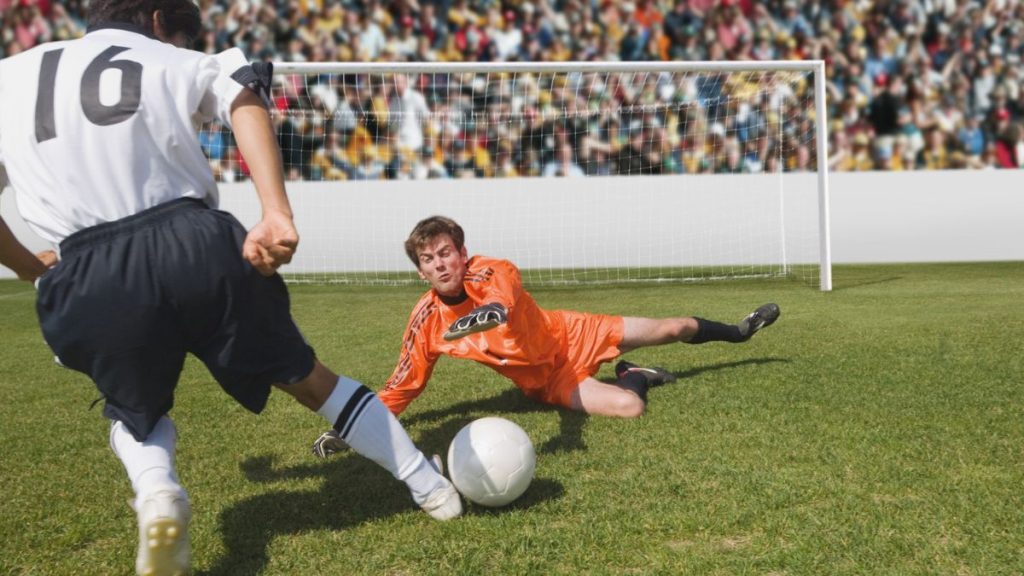
The UEFA Europa Conference League, UEFA’s third-tier European club competition, has evolved into an electrifying platform that elevates clubs from across Europe into the continental spotlight. Introduced to provide wider access to European football, the tournament has reshaped itself for the 2025–26 season with a revolutionary “Swiss system” format. This new approach abandons traditional group stages for a single, vibrant 36-team league table where clubs face a diverse set of opponents and every match carries significant stakes. The competition’s innovative structure injects unpredictability and fresh excitement, promising fans a cornucopia of memorable moments through to the grand finale hosted at the Red Bull Arena in Leipzig. Alongside the spectacle, the league draws on sponsorships and collaborations with global giants like Nike, Adidas, Puma, Coca-Cola, Hublot, Heineken, EA Sports, Budweiser, and Pepsi—underscoring the competition’s commercial impact and growing prestige. From comprehensive qualifying rounds starting in July to the knockout phases and final showdown in May, the Europa Conference League epitomizes the spirit of inclusion and competitive fairness in European football.

Detailed Overview of the UEFA Conference League Format for 2025–26 Season
The heart of the 2025–26 UEFA Conference League is its cutting-edge format, built to maximize competition quality and entertainment without the rigid constraints of previous group stages. Replacing those traditional phases, the competition crafts a single 36-team league stage influenced by the Swiss system, promoting diversity and fairness in fixtures.
The path to assembling the 36-team league involves multiple streams:
- Champions Path Play-off Round: Five clubs enter through this elimination stage.
- Main Path Play-offs: Nineteen clubs qualify here, battling through rigorous qualifiers.
- Europa League Dropouts: Twelve teams relegated from the UEFA Europa League play-off round bolster the league roster.
The competition officially launches with qualifying rounds in mid-July, setting the tone for an action-packed fall season. The league phase commences on September 18, 2025, where each club plays eight matches against distinct opponents without any return legs—four at home, four away. These matches are pivotal, as the points earned accumulate into a comprehensive single league table ranking all 36 clubs. The top eight clubs secure direct passage to the Round of 16, while teams placing 9th through 24th enter knockout phase play-offs, intensifying the battle for glory. Clubs finishing 25th or lower are eliminated, underscoring the fierce competition to stay alive.
Key dates anchor the season’s progress:
- First Qualifying Round Draw: June 17, 2025
- Second Qualifying Round Draw: June 18, 2025
- Third Qualifying Round Draw: July 21, 2025
- Play-off Round Draw: August 4, 2025
- League Phase Draw: August 29, 2025, live in Monaco
The season culminates on May 27, 2026, under the floodlights of Leipzig’s Red Bull Arena. This modern facility, steeped in vibrant Saxon football culture, will stage its first major UEFA final, providing a fitting backdrop to the competition’s thrilling conclusion.
| Stage | Teams Entering | Date Range | Notes |
|---|---|---|---|
| Qualifying Rounds | 24 Teams | July to August 2025 | Multiple knockout ties |
| Europa League Dropouts | 12 Teams | August 2025 | Europa League play-off losers join |
| League Phase (Swiss System) | 36 Teams | September 18, 2025 – March 2026 | 8 matches against varied opponents |
| Knockout Phase Play-offs | Teams ranked 9-24 | Spring 2026 | Two-legged ties for Round of 16 entry |
| Round of 16 to Final | Top 8 + Play-off Winners | April-May 2026 | Two-legged knockout until single final match |
This restructured format not only widens European access but enhances excitement, matching viewers’ demand for unpredictable, high-stakes football throughout the season. Since UEFA collaborates with performance outfitters like Nike, Adidas, and Puma to supply official match apparel, players benefit from cutting-edge gear optimized for peak athletic performance. The global spotlight, fueled also by sponsors like Coca-Cola and Heineken, ensures a vibrant atmosphere for fans and players alike.
Qualification and Participation Rules for UEFA Conference League’s Involved Clubs
The UEFA Conference League’s entry system is designed to provide a broad spectrum of clubs from UEFA’s 55 member associations with realistic avenues to partake in European football’s continental competitions. The rules for participation hinge upon domestic league rankings, UEFA coefficients, and performance in prior UEFA tournaments like the Champions League and Europa League.
In the 2025–26 season:
- Top Twelve Associations: Each sends a single representative, typically the highest-ranked teams not qualified for higher UEFA competitions.
- Associations Ranked 13 to 33: These get two teams each based on league positions or domestic cup results.
- Associations Ranked 34 to 50: Their representation increases to three teams each, reflecting UEFA’s efforts to encourage broader participation.
Liechtenstein remains an exception, entering just one team through its domestic cup winner despite the rank scale.
Additionally, the UEFA Conference League welcomes twelve teams relegated from the UEFA Europa League play-offs, offering those clubs a second opportunity to shine on Europe’s stage.
Among notable qualifiers is Newcastle United, the 2024/25 EFL Cup winner, who secured a Conference League play-off spot but still keeps the door open for Champions League or Europa League qualification via their league finish. Other powerful clubs poised for the play-off round include Rayo Vallecano from Spain, Mainz in Germany, Nottingham Forest representing England, Fiorentina from Italy, and Strasbourg in France. The final tally of clubs becomes certain only after all play-off ties conclude near the end of August.
| Association Ranking Range | Number of Clubs Qualified | Method of Qualification |
|---|---|---|
| 1-12 | 1 | Highest league finish not in UCL/UEL |
| 13-33 | 2 | League position & cup winners |
| 34-50 | 3 (except Liechtenstein) | League positions and cup winners |
| Multiple (via Europa League) | 12 | Europa League play-off losers drop down |
This inclusive system enhances the competitive fabric of the UEFA Conference League, integrating established clubs with emerging challengers. By extending participation through varied qualification paths, the tournament fuels diverse football styles and rich fan engagement across Europe.
How the Swiss System Revamps the Conference League League Phase Dynamics
Adopted for the second season in 2025–26, the “Swiss system” format revolutionizes traditional scheduling with a unique approach that increases opponent variety and competitive intensity. Unlike the old rigid group stages, this system creates a 36-team single league where every team plays eight matches versus different opponents.
This format emphasizes:
- Match Variety: Each team faces a wide spread of rivals, rarely seen in previous tournament structures that locked clubs into fixed four- or six-team groups.
- Balanced Home and Away Games: Four games at home and four on the road ensure fairness and mitigate home advantage biases.
- Critical Match Value: With only eight matches determining league position, each game dramatically impacts qualification possibilities.
At the league phase’s conclusion, teams are ranked collectively on points gained. The top eight gain direct entry to the Round of 16, while those finishing between 9th and 24th face a decisive knockout play-off round, vying for the remaining round sixteen spots.
This format’s benefits include:
- Enhanced Competitive Fairness: Avoids early predictability by mixing matchups uniquely every season.
- Increased Fan Engagement: Football fans relish witnessing a wider palette of European clubs with contrasting tactics and styles.
- Technical Innovation: Coaches are compelled to develop adaptable strategies as opponents vary significantly each week.
The Swiss system also dovetails neatly with the involvement of partners like EA Sports, which celebrates the diverse and modern structure through their FIFA series and promotions that showcase up-to-date tournament formats and real-world data integration.
| Characteristic | Swiss System Format | Traditional Group Stage |
|---|---|---|
| Number of Teams | 36 | Typically 32, split in 8 groups |
| Matches Played Per Team | 8 against unique opponents | 6 (home and away within a group) |
| Qualification Method | Points in a single table | Points in group standings |
| Advancement to Knockouts | Top 8 direct, 9-24 to play-offs | Top 2 per group advance |
This innovative shift underscores UEFA’s commitment to experiment boldly while maintaining competitive integrity. The change also offers added value to sponsors such as Budweiser and Pepsi, who benefit from longer engagement times and more diverse broadcast reach across Europe.
The Swiss system’s dynamic matchups allow brands like Coca-Cola and Hublot to integrate refreshed marketing campaigns, elevating fan experiences with unique matchday promotions, exclusive content, and interactive fan zones.
Comprehensive Timeline and Critical Dates for the 2025–26 UEFA Conference League Season
Successful navigation of the UEFA Conference League’s calendar is essential for teams, fans, and stakeholders aiming to capitalize on the excitement throughout the season. The 2025–26 tournament spans nearly a full year from the kickoff of qualifying rounds to the grand final spectacle at the Red Bull Arena.
Crucial dates include:
- June 17-18, 2025: Opening draws for the first and second qualifying rounds officially set the roadmap for hopeful entrants.
- July 21, 2025: Third qualifying round draw determines remaining qualifiers inching closer to the league phase.
- August 4, 2025: Play-off round draw, determining last qualifiers into the league phase.
- August 29, 2025: League phase draw unveiled live from Monaco, revealing the unique Swiss system fixtures of eight opponents per team.
- September 18, 2025: League phase kick-off day, launching a series of fiercely contested matches.
As knockout phases commence in early 2026:
- Round of 16 Draw (Early 2026): Sets the stage for high-stakes two-legged ties featuring league phase qualifiers and play-off winners.
- Quarterfinal and Semifinal Draws (Subsequent Months): These occur sequentially, gradually defining the contenders for the final clash.
- May 27, 2026: The grand finale at Leipzig’s Red Bull Arena delivers the climax of a fiercely fought season.
These milestones are pivotal for coaching tactical preparations and for commercial partners like Adidas and Puma to calibrate merchandising and global marketing campaigns around the unfolding drama.
| Event | Date | Significance |
|---|---|---|
| First Qualifying Round Draw | June 17, 2025 | Determines initial qualifying ties |
| Second Qualifying Round Draw | June 18, 2025 | Sets next round matchups |
| Third Qualifying Round Draw | July 21, 2025 | Delimits final qualification path |
| Play-off Round Draw | August 4, 2025 | Establishes last qualifying matches |
| League Phase Draw | August 29, 2025 | Reveals league fixtures and opponents |
| League Phase Start | September 18, 2025 | Competition officially begins |
| Final Match | May 27, 2026 | Climactic season-ending final at Red Bull Arena |
Fans eager to follow the tournament can rely on major broadcasters and streaming outlets, often supported by sponsorship initiatives from partners such as Heineken and Budweiser, which host popular fan zones and interactive viewing experiences during key matches.
Impact of Sponsorship and Corporate Partnerships on UEFA Conference League’s Growth
The UEFA Europa Conference League’s rapid rise in prominence owes much to the strategic partnerships it fosters with global brands spanning sportswear, beverages, timekeeping, and gaming. These collaborations enrich the competition’s profile while driving innovation, fan engagement, and financial investment.
Key sponsors significantly shaping the league include:
- Nike, Adidas, and Puma: Providing the latest football kits, boots, and training apparel ensures participating squads perform at their peak. Their marketing campaigns centered around the competition enhance brand visibility internationally.
- Coca-Cola, Heineken, Budweiser, and Pepsi: These beverage titans sponsor official refreshment services and global advertising throughout the tournament. Their activations create vibrant fan atmospheres in stadiums and beyond.
- Hublot: The official timekeeper adds a touch of luxury and precision, reinforcing the prestige of match events with bespoke watches and branding.
- EA Sports: Integrating the competition within FIFA video games has broadened the tournament’s appeal to younger and tech-savvy demographics, blending virtual fandom with real-world sports.
The financial injection from these partnerships is transformative for many clubs and associations. It allows investment into stadium enhancements, youth development programs, and community outreach. Smaller clubs competing in the Conference League often gain access to resources previously unavailable, helping close gaps with the continent’s football powerhouses.
| Sponsor | Type | Contribution to Conference League |
|---|---|---|
| Nike | Sportswear | Official kits and gear supplier |
| Adidas | Sportswear | Alternative kit and merchandise partner |
| Puma | Sportswear | Equipment and footwear provider |
| Coca-Cola | Beverage | Official refreshment and fan experience sponsor |
| Heineken | Beverage | Global advertising and fan engagements |
| Budweiser | Beverage | Official beer partner with fan zones |
| Pepsi | Beverage | Marketing campaigns and promotions |
| Hublot | Timekeeping | Official timekeeper with luxury branding |
| EA Sports | Gaming | FIFA integration and esports tournaments |
This synergy between football and industry giants fuels both athletic performance and fan culture growth. The UEFA Conference League’s expanding global footprint owes much to these corporate collaborations, underpinning the competition’s vision of inclusivity, competition, and entertainment at the heart of European football.
Frequently Asked Questions About the UEFA Conference League Format & Participation
- Q: How do teams qualify for the UEFA Conference League?
- A: Teams qualify through domestic league finishes, cup victories, or European tournament eliminations (such as Europa League play-off round losses). The number of entries per association depends on UEFA coefficient rankings.
- Q: What differentiates the Swiss system format from traditional group stages?
- A: The Swiss system has 36 teams playing eight matches against different opponents, not fixed groups, leading to greater variety and heightened competition.
- Q: When and where is the final held for the 2025–26 season?
- A: The final is scheduled for May 27, 2026, at Leipzig’s Red Bull Arena in Germany—marking the stadium’s first major UEFA final.
- Q: How do knockout phase play-offs work?
- A: Clubs finishing 9th to 24th in the league phase enter two-legged ties. Winners advance to the Round of 16 to face teams ranked in the top eight.
- Q: How do sponsorships affect the competition?
- A: Partnerships with brands like Nike, Coca-Cola, and EA Sports enhance matchday experiences, funding, broadcasting quality, and global promotion, vital for the tournament’s growth.