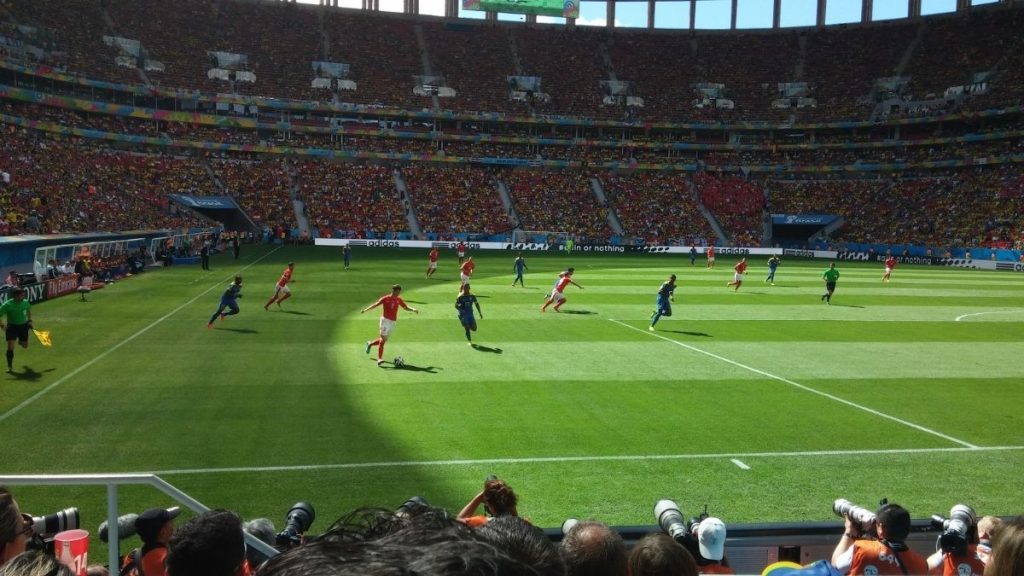
The Premier League clash between Chelsea and Crystal Palace at Stamford Bridge on a crisp evening in London delivered exactly the kind of late drama fans relish. Chelsea, striving to solidify their position among the division’s elite, overcame a spirited Crystal Palace side with a 2-1 victory decided by a late penalty. This contest not only highlighted Chelsea’s youthful vigor and tactical flexibility but also underscored the fierce rivalry between two capital clubs desperate for crucial points in the 2025 campaign. The Blues’ youngest-ever Premier League starting lineup demonstrated encouraging signs for the future, while Palace’s resilience kept the drama ticking until the final moments, marking yet another chapter in this enduring football confrontation. Supporters witnessed a tactical battle, moments of individual brilliance, and the high stakes that come with London derbies, cementing this match as a memorable fixture in this season’s Premier League narrative.
Unpacking Chelsea’s Youthful Edge in the Premier League Showdown
Chelsea’s recent match against Crystal Palace was remarkable not only for its intensity but also for the unprecedented youthfulness of the starting eleven. Averaging just 23 years and 21 days, this was Chelsea’s youngest lineup in Premier League history, signaling a strategic pivot toward relying on emerging talent. The youthful energy translated into swift transitions and dynamic gameplay that unsettled Palace early on.
Malo Gusto emerged as the linchpin of Chelsea’s midfield. His ability to orchestrate plays, combined with impressive turns and pace on the left flank, was central to Chelsea’s opening goal. Starting the move with a deft turn in midfield, Gusto charged down the flank to set up Mykhailo Mudryk’s precise first-time finish, a goal that encapsulated the youthful exuberance and technical quality on display.
- Malo Gusto’s role: Key creator and assist provider leading the early offensive surge.
- Mykhailo Mudryk’s contribution: Clinical finishing showcasing maturity beyond his years.
- Christopher Nkunku’s activity: Excellent presence in attack, involved in multiple threatening plays though frustrated by a goal ruled out.
Despite this youthful set up, Chelsea was not without experience scattered throughout their ranks. The blend of raw and refined talent created a balance that kept the squad competitive throughout the demanding 90 minutes. This approach also echoed current trends in modern football tactics, emphasizing dynamism and adaptability, crucial for Premier League success.
Moreover, Chelsea’s tactical setup showcased their evolving style, combining a fluid 4-3-3 formation with moments of high pressing and quick counter-attacks—a style dissected in strategic guides such as the one available on The Live Football App. This youthful group’s ability to link quick passes and sustain pressure illuminated their capacity to control the midfield despite Palace’s early assertiveness.
| Player | Role | Performance Highlight |
|---|---|---|
| Malo Gusto | Midfielder/Left Flank | Assist for opening goal, key midfield creator |
| Mykhailo Mudryk | Forward | First-time finishing, scoring opener |
| Christopher Nkunku | Attacking Midfielder | Multiple attacking contributions, disallowed goal |
An analysis of Chelsea’s youthful ensemble reveals not just technical ability but also psychological composure under London derby pressures—attributes vital for the team’s immediate and long-term objectives.

Crystal Palace’s Tactical Resilience and Key Moments in the London Rivalry
Against the backdrop of Chelsea’s young lineup, Crystal Palace offered a stylistically contrasting and physically resilient display. Roy Hodgson’s side, despite a dismal recent record against Chelsea, began the match with confidence and tactical discipline. Palace’s performance was characterized by patient ball circulation and disciplined pressing that unsettled Chelsea’s rhythm during crucial periods.
The Eagles nearly capitalized early on when Eberechi Eze’s free-kick narrowly missed its target, highlighting their early intent. Palace’s tactics centered on exploiting set-pieces and rapid counterattacks, aiming to frustrate Chelsea’s possession game. Michael Olise was instrumental, not just in buildup play but also by scoring a composed equalizer just before halftime.
- Eberechi Eze: Set-piece specialist and source of dangerous crosses.
- Michael Olise: Key assist provider and scorer of the equalizer, demonstrating clinical finishing.
- Jean-Philippe Mateta: Creating constant threats with direct runs and shots saved by Chelsea goalkeeper Petrovic.
Palace’s strategic deployment of physical forwards and midfielders added robustness to their attacking efforts. Hodgson’s game plan also included momentary high pressing, forcing Chelsea’s younger players into mistakes and rushed decisions, giving Palace transitional opportunities. This struggle epitomizes the fierce nature of the London rivalry, where local pride amplifies rivalry intensity beyond standard league implications.
For followers of football rivalries and London derbies, this game reinforced the known unpredictability and drama that arise when these teams meet. An exploration of tactical tweaks, such as those outlined on The Live Football App’s tactical insights, helps contextualize the strategic chess game visible on the pitch, revealing why even an underdog can challenge a more favored opponent effectively.
| Key Player | Impact | Notable Contribution |
|---|---|---|
| Eberechi Eze | Midfielder | Dangerous free-kicks and crosses |
| Michael Olise | Winger | Equalizing goal, key offensive plays |
| Jean-Philippe Mateta | Striker | Threatening attacks and shots saved |
Late Penalty Drama and Its Impact on Chelsea’s Premier League Ambitions
The decisive moment of the match unfolded in the closing stages, encapsulating the high drama often witnessed in London derbies and highlighting the pressure-cooker environment of Premier League football. With the scoreboard level and tension mounting, a late challenge in the box led to a penalty for Chelsea, awarded after VAR consultation, a process that itself has become an integral part of modern football drama.
Substitute Noni Madueke stepped up with poise to convert the penalty, sending the goalkeeper the wrong way and securing a pivotal 2-1 victory. This goal not only granted Chelsea a hard-earned three points but also marked their third successive home league win for the first time since late 2022, signaling a positive shift in form.
- Noni Madueke: Impact substitute scoring the winning penalty, illustrating composure.
- VAR influence: Crucial in awarding the penalty, demonstrating the technology’s ongoing role in decisive moments.
- Referee Michael Salisbury’s role: Managed the pressure of late-game decisions effectively.
Beyond the immediate relief for Chelsea supporters, this victory carries broader implications for the club’s season trajectory. It keeps them in contention for a top-five finish and sustained Premier League competitiveness. With increased scrutiny on defensive vulnerabilities—highlighted by conceding 59 goals this season alone—the win offers both encouragement and a spotlight on areas needing improvement to avoid undermining the positives gained.
The drama here exemplifies how small moments in a match can steer the fortunes of entire campaigns. Fans eager to follow Chelsea’s prospects should explore in-depth analyses on the pursuit of top league standings and how penalty situations shape outcomes in this fast-evolving sport.
| Event | Detail | Impact |
|---|---|---|
| Penalty Awarded | VAR-reviewed foul on Madueke by Palace defender | Winning goal for Chelsea |
| Victory | 2-1 win at Stamford Bridge | Third consecutive home league win since 2022 |
| Defense | 59 goals conceded in Premier League 2023-2024 | Area for improvement |
Deepening the London Rivalry: Historical and Contemporary Perspectives
The contest between Chelsea and Crystal Palace is steeped in history and local animosity that fuels the intensity witnessed on matchdays. Over recent years, Chelsea has dominated head-to-head meetings, winning thirteen straight encounters since 2017 with an aggregate score of 30-7. Yet, these statistics never dull the competitive spirit on show.
Both clubs represent distinct identities within the London football mosaic, with Chelsea embodying the affluent west and Crystal Palace representing the spirited south-east community. Each fixture is more than just a game — it’s a battle for pride, local bragging rights, and a symbolic affirmation of status in London’s saturated football landscape.
- Historical dominance: Chelsea’s winning streak since 2017.
- Socio-cultural divide: Clash of identities between west and south-east London.
- Impact on fans: High emotional investment and intense atmospheres in stadiums.
Understanding these dimensions is essential for appreciating the match’s significance beyond mere points accumulation. It taps into traditions and emotional connections that date back decades, intensified by each electrifying game. Attending matches at iconic venues like Stamford Bridge or Selhurst Park carries a palpable sense of occasion, with fans deeply invested in the ongoing sports narrative.
This rivalry also contributes significantly to the Premier League’s allure, drawing global audiences fascinated by the complex dynamics of London football. Fans and analysts alike can refer to resources like The Live Football App’s Premier League guide for insights into how rivalries such as this define English football’s competitive edge.

Statistical Insights and Tactical Evolutions Shaping the Chelsea vs Crystal Palace Encounter
Beyond the emotional and cultural factors, modern football demands an understanding rooted in data and tactical trends. Chelsea and Crystal Palace’s recent clash provides a rich case study on how football in London is evolving tactically and statistically.
Analyzing match statistics reveals Chelsea’s high possession rate and pass accuracy, showcasing their intent to control tempo through skill rather than solely physicality. Despite conceding several chances early on, the Blues’ defensive resilience improved as the match progressed, illustrating adaptive game management. Palace’s lower possession but high counterattacking threat is evident in their shot count and dangerous set-pieces.
- Possession stats: Chelsea controlled 62% of the ball, emphasizing dominance in midfield.
- Shots on target: Palace recorded 5 shots on target, reflecting their threat on counters and set-pieces.
- Passing accuracy: Chelsea achieved 85% accuracy, key to their tactical style of patient buildup.
These statistical insights align with broader trends documented in real-time football analytics, a field gaining prominence for shaping coaching decisions and match outcomes. Coaches now employ extensive data to tweak formations and pressing systems mid-game, as detailed in platforms like The Live Football App’s analytics section.
| Statistic | Chelsea | Crystal Palace |
|---|---|---|
| Possession (%) | 62 | 38 |
| Shots on Target | 7 | 5 |
| Passing Accuracy (%) | 85 | 77 |
| Fouls Committed | 12 | 15 |
Emerging tactical evolutions noticed in this match include Chelsea’s variable pressing intensities, switching between high press and defensive compactness, a strategy outlined in recent studies on pressing systems. Crystal Palace countered by exploiting spaces left during transitional phases, highlighting the delicate balance coaches must maintain between aggression and caution.