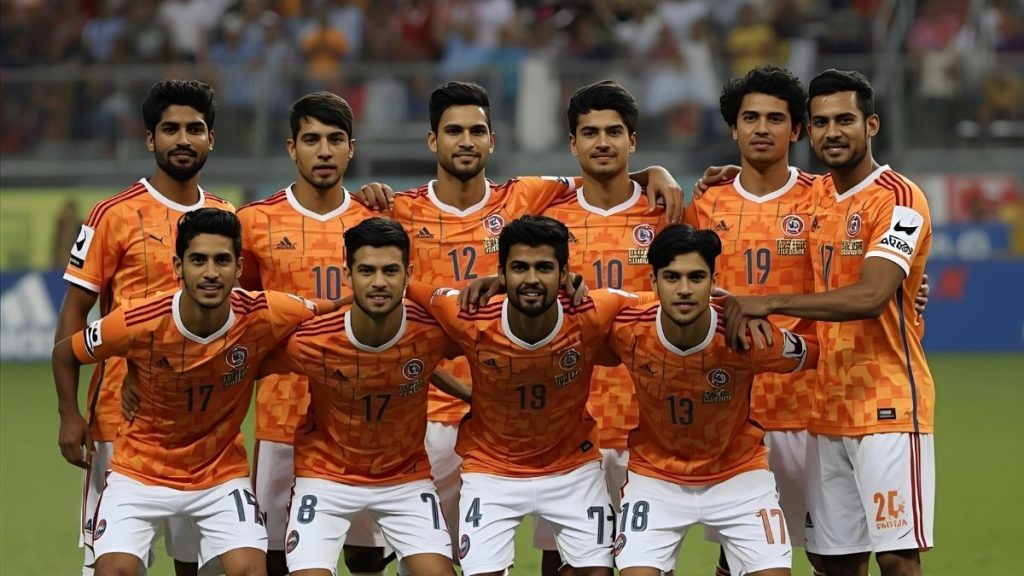
In a surprising and swift move that has sent ripples through the world of football management, Laurent Blanc has been dismissed from his role as head coach of Al Ittihad just four matches into the new Saudi Pro League season. Despite leading the club to a domestic double in the previous campaign, the French manager’s tenure in 2025 came to a sudden end following a crucial 2-0 home loss to rivals Al Nassr. This article delves deeply into the unfolding drama, Blanc’s tenure achievements and challenges, the implications of his exit, and what this means for Al Ittihad and their ambitions in both domestic and continental competitions.
In brief:
- Laurent Blanc, appointed in mid-2024, was sacked after four league games in 2025 despite previously winning the league and King’s Cup double with Al Ittihad.
- The club’s 2-0 defeat to Al Nassr, combined with an earlier Super Cup semi-final exit, increased pressure on Blanc, leading to his dismissal.
- Injuries, especially in the defensive line, posed challenges that Blanc openly discussed before his departure.
- Assistant coach Hassan Khalifa has taken over as interim manager, tasked with steering Al Ittihad through critical AFC Champions League fixtures.
- The situation highlights the intense demands and high stakes within the Saudi Pro League, a competition increasingly in the global spotlight thanks to high-profile signings and partnerships with major brands such as Adidas and Nike.

Laurent Blanc’s Impact at Al Ittihad: Triumph and Trials in the Saudi Pro League
Laurent Blanc’s appointment as Al Ittihad’s head coach in July 2024 was met with optimism, given his impressive pedigree. The former France international and World Cup winner had previously managed top European clubs including Paris Saint-Germain, Lyon, and Bordeaux, building a reputation for tactical acumen and player development. His track record in Ligue 1 and international football hinted at a transformative era for Al Ittihad as the club looked to reclaim domestic dominance and make strides in the AFC Champions League.
Upon arrival, Blanc immediately set about reshaping the squad, integrating a mix of seasoned stars and promising youth players, consistent with his philosophy observed during his time in Europe. This approach bore fruit as Al Ittihad secured their 14th Saudi Pro League title and the King’s Cup in the 2024 campaign, achieving a prestigious domestic double. His side’s strong tactical discipline and cohesive playstyle were often highlighted by media outlets such as ESPN and Sky Sports, praising the blend of defensive solidity and attacking fluency.
However, the momentum didn’t carry seamlessly into the new season. Despite a promising start with three wins in the first three league matches of 2025, unforeseen challenges began to mount. Defensive injuries struck a heavy toll; Blanc notably emphasized the scarcity of options in central defense, mentioning key absences like Ahmed Sharahili and Yassin Al Jaber that severely limited his tactical flexibility. These issues culminated in a disappointing 2-0 defeat at home in a league match against Al Nassr — a crucial fixture given the ongoing title race.
This loss, combined with an earlier elimination in the Saudi Super Cup semi-final by the same Riyadh-based rival, intensified scrutiny on Blanc’s leadership. Blanc himself appeared candid when addressing reporters post-match, remarking that although the defeat was unexpected, it was part of football’s routine challenges. He pointed out Al Ittihad’s excellent home record prior to the loss — a streak of 17 wins and one draw in the last 18 home matches — underscoring the irregular nature of recent setbacks. Despite this, the club’s management decided to terminate the Frenchman’s contract, revealing just how unforgiving the Saudi Pro League environment can be.
Key challenges faced by Blanc during his tenure at Al Ittihad:
- Managing a squad with recurrent injuries particularly in defense.
- Handling pressure from intense title race against rivals like Al Nassr and Al Hilal.
- Balancing integration of youth players while maintaining winning consistency.
- Adapting European tactical style to the Saudi Pro League’s competitive dynamics.
- Dealing with the heightened expectations after winning the double the previous season.
| Season | Competition | Outcome | Remarks |
|---|---|---|---|
| 2024 | Saudi Pro League | Champions | Led team to 14th league title |
| 2024 | King’s Cup | Winners | Secured domestic double |
| 2025 | Saudi Super Cup | Semi-final Exit | Lost to Al Nassr |
| 2025 | Saudi Pro League (4 matches) | 3 Wins, 1 Loss | Dismissed after loss to Al Nassr |
The Influence of the Saudi Pro League’s Rising Global Profile on Coaching Expectations
The Saudi Pro League’s meteoric rise on the global football stage is a vital factor when analyzing Al Ittihad’s decision-making and Blanc’s dismissal. Recently, the league has attracted legendary players, advanced partnerships with global brands like Adidas and Nike, and substantial broadcasting deals with international media including Sky Sports and Goal. These developments have not only raised the quality and competitiveness of the league but also its spotlight, intensifying pressure on managers to deliver instant results.
With stars such as Cristiano Ronaldo and Sadio Mane making headlines for their vital contributions at clubs like Al Nassr, coaching staffs are expected to manage high-profile talents and fan expectations simultaneously. Blanc’s challenges, therefore, extended beyond tactical considerations into managing egos, commercial interests, and a relentless demand for success. This environment creates an unforgiving atmosphere where patience is minimal, and managerial changes are frequently the go-to solution rather than long-term planning.
The Aftermath of Blanc’s Departure: Implications for Al Ittihad and the Saudi Pro League Landscape
The decision to part ways with a World Cup-winning manager just weeks into the season has sent shockwaves through Al Ittihad’s fanbase and the broader Saudi Pro League community. The club wasted no time in announcing Hassan Khalifa, previously Blanc’s assistant, as interim head coach. Khalifa faces immediate pressure to stabilize a squad that remains third in the league standings, three points behind leaders Al Nassr, and maintain momentum in the AFC Champions League.
Blanc’s departure also reflects growing trends in management within the Saudi Pro League, where clubs often prioritize short-term results over long-term project development. The stakes are particularly high for clubs like Al Ittihad competing for regional glory and seeking to solidify their reputation in Asian football. Given the club’s ambitions, Khalifa’s initial assignments include preparing Al Ittihad for crucial upcoming fixtures against UAE’s Shabab Al Ahli, a test of both squad depth and tactical adaptability.
From a broader perspective, this managerial change highlights the evolving role of football managers in the Middle East. Increasing relationships with global sports networks such as ESPN and Goal have heightened media scrutiny, while platforms like Transfermarkt provide detailed performance analytics accessible to fans worldwide. These factors contribute to a culture where managerial tenure can be abruptly cut short if results are deemed unsatisfactory.
For Al Ittihad, the next weeks are critical. The club’s ambition to reclaim and sustain the top spot in the Saudi Pro League and make deep runs in the AFC Champions League will depend heavily on how swiftly Khalifa can engender confidence and tactical coherence within the team. The football community will also be watching closely to see how the club manages its star talents, balancing on-field success with off-field commercial pressures linked to apparel giants Adidas and Nike.
| Manager | Tenure Start | Tenure End | Key Achievements | Challenges Ahead |
|---|---|---|---|---|
| Laurent Blanc | July 2024 | September 2025 | League and King’s Cup Double | Defensive injuries, recent losses, tactical rigidity |
| Hassan Khalifa | September 2025 | Present (Interim) | Stabilize squad, prepare AFC Champions League | Maintaining form, managing squad morale under pressure |
The Complexities of Managing Star Players and Youth Integration Under Intense Pressure
One of the more contentious topics during Blanc’s spell at Al Ittihad was his management of youth players and the integration of emerging talent. Fans and analysts from media houses like ESPN and Goal debated his reluctance to involve young prospects such as Doumbia in critical match situations, despite impressive performances in training and lower-tier fixtures. This cautious approach may have stemmed from Blanc’s experience in the Premier League and Ligue 1, where managing high stakes often demands conservative selection.
The balancing act between developing promising youth and securing immediate wins is a challenge many Football Managers face worldwide. In Al Ittihad’s case, the stakes are heightened by the club’s ongoing battles for titles and continental prestige. For example, while the club enjoyed a nine-match winning streak in the league under Blanc, critics argued that a more progressive youth policy might have alleviated squad depth issues, especially under injury strains.
Contrastingly, star players such as Cristiano Ronaldo and Sadio Mane, often in the spotlight given their global stature, require tailored management to optimize performance while protecting their physical well-being. With growing commercial ties to brands like Adidas and Nike, player fitness and image remain crucial to club and sponsor interests alike.
Clubs like Al Ittihad must navigate these complex relationships, balancing commercial imperatives, player development, and match-day tactics. Blanc’s departure and subsequent appointment of Hassan Khalifa offer an opportunity to reevaluate and perhaps recalibrate youth integration policies and star player management in line with evolving league expectations.
| Aspect | Blanc’s Approach | Potential Adjustments by Khalifa |
|---|---|---|
| Youth Player Integration | Limited match minutes for young talents like Doumbia | Increased rotation and trust in promising youth |
| Star Player Management | Focused on managing fitness and form of key stars | Maintain balance but explore tactical flexibility |
| Injury Management | Challenges with defensive injuries impacted squad depth | Implement enhanced rotation and recovery strategies |
Future Prospects for Al Ittihad in the Saudi Pro League and AFC Champions League
Looking forward, Al Ittihad’s trajectory in 2025 hinges on several critical factors that will define their success under new management. The Saudi Pro League remains fiercely competitive, with clubs such as Al Nassr and Al Hilal continuously strengthening their squads through savvy transfers tracked on Transfermarkt and exhaustive analysis by platforms like ESPN. Al Ittihad’s ambition to defend their league title and progress further in the AFC Champions League demands consistency and adaptability.
Hassan Khalifa’s leadership will be tested by how well he leverages the club’s resources, manages player workload amid congested fixtures, and capitalizes on strategic signings, possibly during the mid-season transfer window. The evolving tactical landscape of the Saudi Pro League underscores the importance of innovation, communication, and community engagement — areas that will likely receive renewed focus.
Furthermore, maintaining strong partnerships with global giants Adidas and Nike could facilitate improved training technology and sports science support, enhancing player performance and injury prevention. Al Ittihad’s ability to integrate such advancements will be a key differentiator in the ongoing battle for league supremacy and continental glory.
The 2025 season is proving to be a watershed moment for Al Ittihad. Navigating managerial upheaval, player dynamics, and mounting competition, the club endeavors to uphold its storied legacy while meeting the modern demands of a rapidly evolving football environment.
| Key Focus Areas | Strategic Importance for 2025 | Examples & Considerations |
|---|---|---|
| Managerial Stability | Crucial for consistent performance and player confidence | Immediate impact under Khalifa’s interim tenure |
| Youth Development | Vital for future sustainability and squad depth | Potential greater rotation and match experience for young players |
| Injury Management | Directly affects squad availability and season outcomes | Focus on recovery protocols and workload management |
| Commercial Partnerships | Support club’s financial health and global profile | Leveraging Adidas and Nike to enhance brand and tech |
| Tactical Innovation | Required to keep pace with league competitiveness | Flexible formations and adaptive game plans |