
The 2025 FIFA U-20 World Cup in Chile is setting the stage for an exhilarating display of emerging soccer talent from around the world. As the tournament approaches, fans eagerly prepare to witness 24 nations battle through a demanding 52-match schedule designed to spotlight the future stars of the sport. With exclusive broadcasting arrangements through the FOX family of networks and streaming on FIFA+, the group stage promises to deliver thrilling matches, each packed with potential and passion. This comprehensive guide covers the full group stage schedule, broadcast details, and essential insights to keep every soccer enthusiast tuned into the action.
In brief:
- The U-20 World Cup brings together 24 national teams to compete in Chile from September 27 to October 19.
- Group stage matches are broadcast on FOX Sports and streamed live on FIFA+, ensuring widespread access to all fixtures.
- Key groups include strong contenders like Argentina, Brazil, Chile, and the United States, showcasing diverse global talent.
- Multiple kickoff times cater to fans globally, with matches mostly scheduled in Eastern Time for US viewers.
- Partnerships with brands like Nike, Adidas, Puma, Coca-Cola, and Qatar Airways highlight the global commercial appeal of the tournament.
- Full list of group stage fixtures with dates, times, and broadcast information
- Details about viewing options on FOX, ESPN, and FIFA+ streaming platforms
- Historical context and significance of the FIFA U-20 World Cup
- Insights into the major groups, teams to watch, and key players
- Information on sponsors and broadcast partners enhancing tournament experience
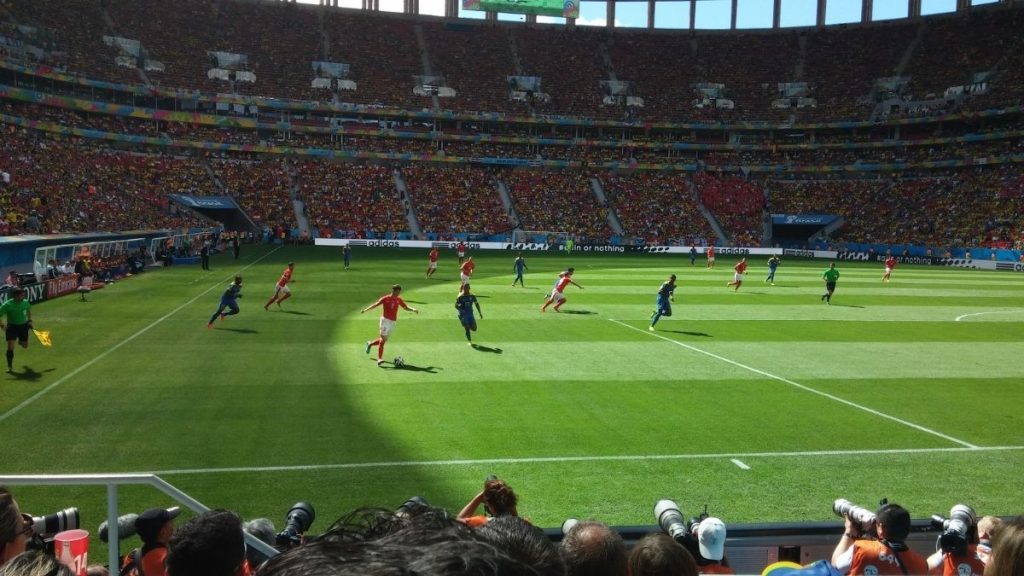
Comprehensive Overview of the FIFA U-20 World Cup 2025 Group Stage Schedule
The highly anticipated FIFA U-20 World Cup kicks off on Saturday, September 27, beginning with multiple gripping matches that launch the tournament’s group stage. This stage is crucial as it determines which teams will advance and who might emerge as surprise contenders. The event spans 10 days, with matches carefully staggered to maximize viewer accessibility across multiple time zones, particularly serving the Eastern Time zone audience in the United States.
The group stage consists of six groups labeled A through F, each hosting four teams who will compete in a round-robin format. Notably, matchups like Chile vs. New Zealand and Japan vs. Egypt on opening day set a dramatic tone for the competition. The schedule continues through to Sunday, October 5, with the final round of group matches determining standings ahead of the knockout rounds.
Below is an overview table of the group stage matches with start times—all listed in Eastern Time (ET):
| Date | Match | Kickoff Time (ET) | Group |
|---|---|---|---|
| Sep 27 | Japan vs. Egypt | 4:00 PM | A |
| Sep 27 | South Korea vs. Ukraine | 4:00 PM | B |
| Sep 27 | Chile vs. New Zealand | 7:00 PM | A |
| Sep 27 | Paraguay vs. Panama | 7:00 PM | B |
| Oct 5 | South Africa vs. United States | 4:00 PM | E |
| Oct 5 | Nigeria vs. Colombia | 7:00 PM | F |
This phase’s scheduling balance allows for intense action while providing rest periods for athletes, supporting peak performance at every stage. Fans should take note of the match times to enjoy every moment live, either via FOX Sports television channels, ESPN’s sports coverage, or FIFA’s official streaming platform, FIFA+.
The broadcasting of these matches from Chile is supported by major global sponsors such as Nike, Adidas, and Puma, which supply the teams’ kits and bolster the tournament’s professionalism and excitement. Additionally, FIFA’s partnership with commercial giants like Coca-Cola, Visa, and Qatar Airways enhances the reach and fan experience both on-site and worldwide.
How to Watch the FIFA U-20 World Cup 2025: TV Channels and Streaming Platforms
Watching the U-20 World Cup in 2025 has never been easier, with a range of broadcast options catering to diverse audiences. FOX Sports will air the majority of live matches across its family of networks, including FS2 and FOX Soccer Plus, offering high-quality coverage complete with expert commentary and player interviews. These broadcasts promise to capture the tournament’s intensity, paired with insightful analysis for fans worldwide.
ESPN will also play a vital role in bringing the tournament to viewers, particularly in the United States, through select matches broadcast on ESPN’s digital and TV platforms. This diversified coverage enables fans to follow not just the marquee fixtures but also the essential group stage fixtures that build the tournament’s narrative.
For global viewers and cord-cutters, the official FIFA+ streaming service presents an excellent alternative, offering full access to live fixtures, replays, player stats, and exclusive behind-the-scenes content. FIFA’s commitment to streaming all matches debuted in the 2023 edition and continues to grow, setting a new standard for accessibility and fan engagement.
Key viewing details and tips to watch the 2025 U-20 World Cup:
- FOX Sports: Main platform for live broadcasts across U.S. markets, including HD coverage.
- ESPN: Selected matches and highlights, accessible via cable and ESPN+ streaming service.
- FIFA+ Streaming: Free global access to all matches, ideal for international fans and mobile viewing.
- TV Listings: Check local listings and network schedules to catch match replays and highlights.
- Follow social media channels of FIFA and broadcasting partners for live updates and interactive fan content.
The availability across platforms ensures every fan has the chance to follow their favorite teams and rising stars seamlessly. This is particularly important as the tournament showcases players affiliated with top brands like Nike and Adidas, who often set trends not only on the pitch but in sports marketing at large.
Historic Legacy and Evolution of the FIFA U-20 World Cup
The FIFA U-20 World Cup has been a pivotal platform for nurturing youthful football talent and has significantly influenced the sport since its inception. Originating in 1977 in Tunisia, the tournament was crafted as a stage for young players to exhibit their skills internationally, a tradition sustained over more than four decades. The inaugural title was claimed by the USSR, who edged out Mexico in a dramatic penalty shootout, setting a precedent for nail-biting finishes that have become a hallmark of the competition.
The tournament historically took place every two years, except for 2021 when the pandemic led to cancellation, highlighting FIFA’s commitment to player safety. Since expanding from 16 teams in the earlier editions to 24 teams in the current format, the competition has grown into a high-profile event that attracts scouts, media, and sponsors worldwide.
Argentina stands out as the most successful nation in this age-bracket competition, winning six titles, the most recent within the last two decades. Brazil remains a tournament powerhouse and perennial favorite, while European teams like Portugal have also left their mark with multiple championships. These narratives enrich the tournament’s legacy, adding layers of anticipation for each staging.
Strong commercial partnerships, including with sporting apparel leaders Puma and broadcasting giants such as Sony, reflect the event’s global appeal and its position within FIFA’s broader development ecosystem. Players like Diego Maradona and Lionel Messi have used this tournament as a launching pad, emphasizing its significance as a showcase for future superstars.
| Year | Host Country | Champion | Runner-Up |
|---|---|---|---|
| 1977 | Tunisia | USSR | Mexico |
| 1995 | Qatar | Argentina | Cameroon |
| 2007 | Canada | Argentina | Czech Republic |
| 2019 | Poland | Ukraine | South Korea |
| 2023 | Argentina | Uruguay | Italy |

Detailed Look at 2025 FIFA U-20 World Cup Groups and Key Teams to Watch
The group stage of the 2025 event is a compelling showcase of emerging soccer talent, with six groups shaped to deliver drama and intense competition. Each group includes a blend of footballing traditions and developmental powerhouses, making every match unpredictable and thrilling.
Here is a breakdown of the six groups:
| Group | Teams |
|---|---|
| A | Chile, Egypt, Japan, New Zealand |
| B | Korea Republic, Panama, Paraguay, Ukraine |
| C | Brazil, Mexico, Morocco, Spain |
| D | Argentina, Australia, Cuba, Italy |
| E | France, New Caledonia, South Africa, USA |
| F | Colombia, Nigeria, Norway, Saudi Arabia |
Standout Teams and Players to Watch:
- Argentina: With six titles, their U-20 squad enters as favorites, leveraging a strong domestic player pipeline.
- Brazil: Always a powerhouse, with emerging stars who often transition to global football stages.
- Chile: The host nation, backed by home support and eager to assert dominance early in Group A.
- USA: The team to watch in Group E, bringing physicality and tactical discipline that could upset traditional powers.
- Japan and Egypt: Rising in prominence with technically skilled squads prepared for tactical battles.
Such diversity and competitive balance make the 2025 U-20 World Cup group stage particularly exciting for fans following global soccer’s next generation.
Role of Sponsors and Broadcasting Partners in Elevating the FIFA U-20 World Cup Experience
The 2025 FIFA U-20 World Cup is not only a festival of young soccer talent but also a corporate showcase featuring some of the biggest names in sports marketing and broadcasting. Partnerships with brands like Nike, Adidas, and Puma ensure uniforms and gear of the highest quality, underscoring the professional atmosphere surrounding the tournament.
Broadcast support from FOX Sports and ESPN guarantees comprehensive coverage to millions of viewers, combining finely crafted live broadcasts with innovative technology such as enhanced stats and multi-angle replays. Meanwhile, Sony contributes through broadcasting technology solutions, enhancing global dissemination of matches.
Additional sponsors like Coca-Cola, Visa, and Qatar Airways play a key role in fan engagement and hospitality, providing a seamless experience for spectators both onsite in Chile and around the world. Their investment helps FIFA deliver a world-class event, promoting not just the sport but the culture and unity surrounding global soccer.
- Brand activation with fan zones and interactive experiences in host cities
- Exclusive content releases and player features across social media platforms
- Collaborations that foster youth soccer programs worldwide
- Use of modern broadcast technology for immersive viewing
- Travel and accommodation partnerships enhancing logistics for teams and officials
These corporate collaborations create a powerful synergy that amplifies the tournament’s stature, making the 2025 FIFA U-20 World Cup a memorable occasion for athletes, fans, and global soccer communities alike.
With such a robust schedule, extensive broadcast coverage, historic significance, competitive grouping, and strategic partnerships, the 2025 FIFA U-20 World Cup group stage stands poised to captivate soccer fans worldwide, delivering a festival of sport brimming with youthful passion and potential.