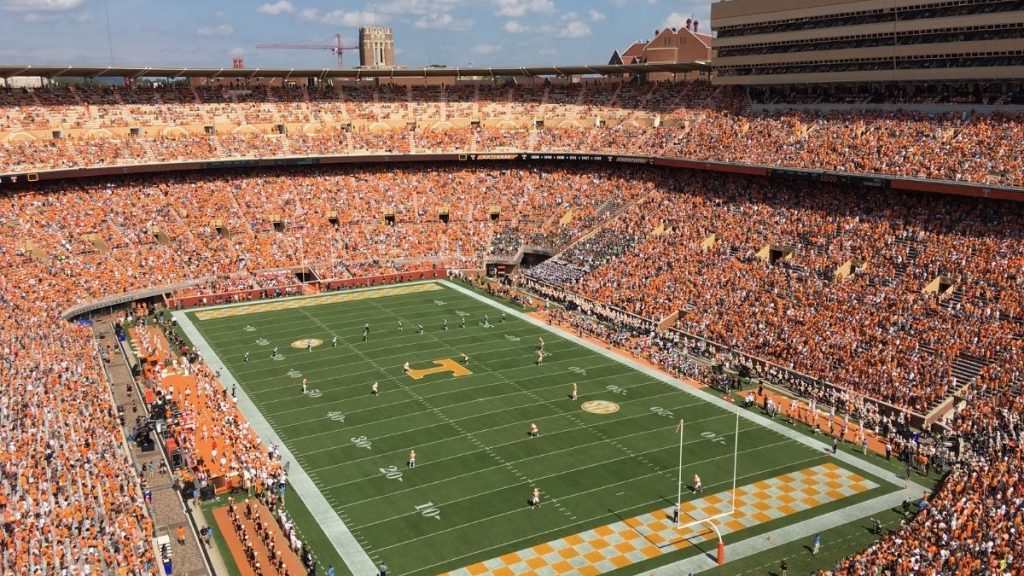
As anticipation builds for the 2026 season, stadium expansions and renovations across North America are dramatically reshaping the landscape for college football and the NFL. Massive investments from universities and professional teams, coupled with cutting-edge design from firms like Populous and AECOM, aim to deliver enhanced fan experiences, premium seating, and modernized infrastructure. Iconic venues—from Ohio Stadium’s luxury suites to the Buffalo Bills’ new Highmark Stadium—are setting new standards for what it means to watch football live. These projects not only respond to changing fan expectations around technology, comfort, and accessibility but also highlight the economics driving sports entertainment today.
Multiple types of upgrades are underway: extensive rebuilds, addition of club seats, wider concourses, new video boards powered by companies like Daktronics, and sustainable architectural choices aligning with brands like Siemens and Caterpillar. College programs such as Penn State and South Carolina are focusing heavily on luxury and premium amenities, while NFL franchises are replacing aging stadiums with state-of-the-art facilities. This report provides an insider view on some of the most significant stadium expansion projects scheduled for completion leading up to the 2026 season, spotlighting how architectural innovation and strategic partnerships with brands like Nike and Under Armour are driving these transformations.
The convergence of technology, fan engagement, and modern stadium infrastructure foreshadows a vibrant and immersive sports culture. Through detailed updates, expert developments, and relevant partnerships, the football viewing experience is set for a major evolution in 2025 and beyond.
- High-profile stadium expansion and renovation projects are underway across college and professional football.
- New and improved luxury seating, concourses, and technology integrations are shaping the fan experience.
- Major contributions from architectural and construction firms like Populous, AECOM, and Turner Construction highlight design ingenuity.
- Partnerships with tech and sports brands such as Daktronics, Siemens, Nike, and Adidas underline the integration of innovation.
- Completion of key projects aligns strategically with the 2026 NFL and college football seasons.
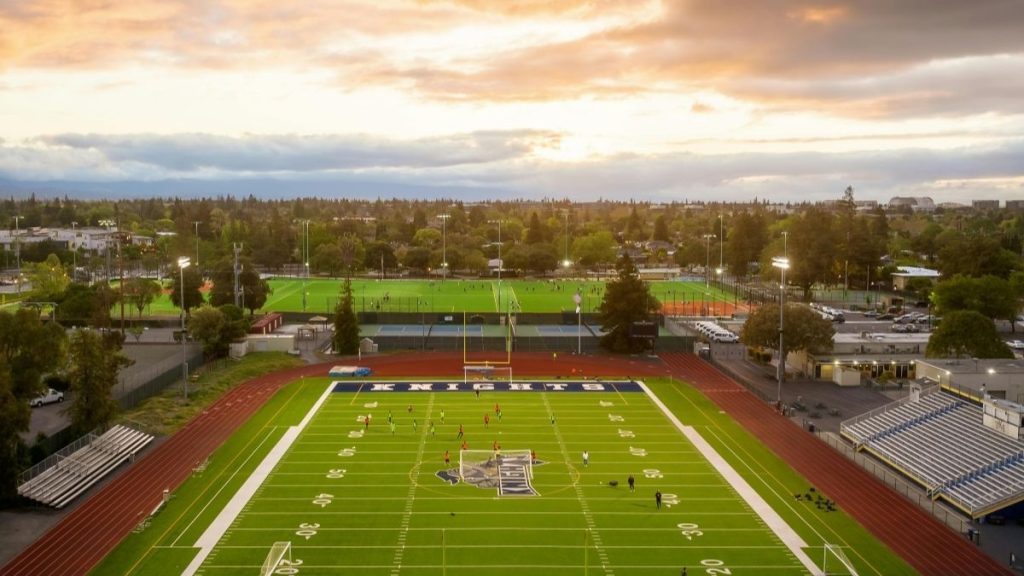
College Football Stadium Expansions: Transforming the Game-Day Experience for 2026
The ongoing wave of college football stadium renovations heading into 2026 reflects a fundamental shift in how universities prioritize fan engagement, athlete facilities, and revenue streams. With projects spearheaded by renowned firms including Populous and AECOM, campuses nationwide are investing hundreds of millions to expand seating capacities, upgrade luxury areas, and incorporate the latest technology. These changes are as much about maintaining home-field advantage as they are about enhancing comfort and visibility.
Ohio Stadium at Ohio State University, a beloved historic venue, exemplifies this transformation. The addition of nine new field-level luxury suites in the south end zone, traditionally an energetic student section, signals a balancing act between tradition and commercialization. This expansion—an increasingly common strategy among top college programs following examples like Penn State’s Beaver Stadium and Texas A&M’s Kyle Field—aims to provide more premium viewing options without sacrificing the stadium’s electric atmosphere. These exclusive suites will be operational by the start of the 2025 season, catering to corporate partners and affluent fans.
At the University of South Carolina, Williams Brice Stadium is undergoing a comprehensive $350 million upgrade targeting both aesthetics and functionality. Key highlights include a modernized concourse that replaces old spiral ramps, fresh locker room spaces, and a dramatic increase in premium seating. The renovation’s emphasis on premium zones demonstrates the financial focus driving many projects today, as ticket sales for luxury and club sections contribute significantly to athletic department revenues.
Meanwhile, Sam Houston State University is nearing completion of its $60 million Elliott T. Bowers Stadium renovation, featuring a completely revamped press box, new luxury suites, balconies, and enhanced concession facilities. Though relatively new to the FBS level, Sam Houston State is rapidly enhancing its venue to compete on a bigger stage. Scheduled to debut in 2026, these upgrades highlight a trend among newer programs seeking immediate legitimacy through infrastructure investment.
| College Stadium | Investment ($M) | Key Features | Completion Target |
|---|---|---|---|
| Ohio Stadium (Ohio State) | Undisclosed (suites addition) | 9 field-level suites in south end zone | 2025 Season |
| Williams Brice Stadium (South Carolina) | 350 | New concourse, premium seating, locker rooms remodeling | Mid-2025 |
| Elliott T. Bowers Stadium (Sam Houston State) | 60 | New press box, luxury seating, restrooms overhaul | 2026 Season |
Additional stadiums such as Penn State’s Beaver Stadium are undergoing phased renovations worth $700 million, extending improvements through 2027. These include expanded concourses, enhanced connectivity with better wifi coverage and new Daktronics video boards, and even winterization of playing surfaces. Upgrades across campuses reflect a growing alliance with sportswear giants like Under Armour and Nike, who increasingly partner on stadium branding and fan experience enhancements.
These expansions are not isolated incidents but part of a nationwide collegiate arms race focused on stadium revitalization, with many schools balancing heritage preservation with modern-day demands. As more fans crave immersive, comfortable, and tech-forward arenas, projects like the upgrades to Rose Bowl Stadium for the 2028 Olympics confirm a commitment to longevity and accessibility in college football’s biggest venues.
List of Common Renovation Focus Areas in College Stadiums
- Luxury and club seating additions
- Expanded concourses and improved ingress/egress
- Enhanced technological integration (video boards, wifi, sound systems)
- New or renovated locker rooms and athlete facilities
- Improved fan amenities including concessions, restrooms, and standing areas
Five Key NFL Stadium Projects: Demolition, Construction, and Innovation Ahead of the 2026 Season
The NFL’s commitment to reimagining fan engagement has driven several high-profile stadium projects that combine reverence for football heritage with futuristic designs. Fans can expect exciting new venues and renovations as five major stadiums undergo transformations before the 2026 season.
1. New Highmark Stadium – Buffalo Bills
The Buffalo Bills’ $1.4 billion replacement for the current Highmark Stadium in Orchard Park is on track for a 2026 debut. Staying in the community nurtures fan loyalty while introducing a unique stacked seating design that reduces the distance between spectators and action. This stadium promises state-of-the-art amenities, improved parking logistics, and premium hospitality areas. The construction effort, supported by Turner Construction and leveraging environmentally conscious materials recommended by Siemens, highlights an ambitious vision that merges tradition with innovation.
2. Nissan Stadium Redesign – Tennessee Titans
In Nashville, the $2.1 billion Nissan Stadium project redefines the fan experience with a fully enclosed design to maximize event possibilities. Moving closer to downtown increases accessibility, while advanced features such as sustainable cooling technologies and energy-efficient lighting systems position the venue as a flagship for eco-friendly sports architecture.
3. Soldier Field Replacement – Chicago Bears
The Bears are planning a transformative replacement at Arlington Heights after purchasing 326 acres for a new stadium, which is slated to include a retractable roof and expanded seating capacity. The relocation supports better transportation links and overall fan convenience. It also ensures that the hallowed atmosphere of Soldier Field is preserved while embracing the modern requirements of multinational sponsorship and global broadcast coverage.
4. RFK Stadium Revival – Washington Commanders
Discussions around revamping RFK Stadium into a new mixed-use sports complex centre on its historical significance and central city location. Reintroducing an NFL stadium here has potential to revitalize the neighborhood and offer improved access for fans via public transit, underscoring a community-focused approach to stadium design.
5. Bank of America Stadium Renovations – Carolina Panthers
The $288 million upgrade to Bank of America Stadium aims to enhance the experience with expanded premium seating, fan zones, and state-of-the-art connectivity upgrades to better integrate with live broadcasts and digital fan engagement driven by major tech partners.
The synergy between NFL franchises and industry leaders such as Daktronics (for display technology), Caterpillar (for construction machinery), and PepsiCo (for concession innovations) is creating a new standard for stadium experiences. The involvement of global sportswear brands Nike and Adidas also reflects an industry-wide focus on cohesive branding and fan immersion from entry to exit.
| Stadium | Investment ($B) | Key Features | Scheduled Completion |
|---|---|---|---|
| New Highmark Stadium (Buffalo Bills) | 1.4 | Stacked design, premium seating, parking improvements | 2026 Season |
| Nissan Stadium Redesign (Tennessee Titans) | 2.1 | Fully enclosed, downtown location, eco-friendly features | Mid-2026 |
| Soldier Field Replacement (Chicago Bears) | Undisclosed (multi-billion estimated) | Retractable roof, expanded seating, Arlington Heights location | Late 2026 |
| RFK Stadium Revival (Washington Commanders) | Undisclosed | Mixed-use, historic preservation, transit-friendly | Pending Approval |
| Bank of America Stadium Renovations (Carolina Panthers) | 0.288 | Premium zones, enhanced connectivity, modern amenities | 2026 Season |
With these projects, the NFL is addressing fan expectations for immersive atmospheres, while challenging the norms of stadium construction timelines and sustainability practices. For fans seeking to understand the future of stadium-based football experiences, these transformations signal exciting times ahead.
Top Innovations Driving NFL Stadium Projects
- Use of sustainable building materials and energy-efficient solutions
- Advanced digital integration through expansive Daktronics video boards and wireless networks
- Designs focused on fan proximity to the field, including stacked seating
- Multi-use features to accommodate concerts, conventions, and other non-sporting events
- Enhanced accessibility and transit connections in urban stadium projects
Strategic Roles of Technology and Partnerships in Stadium Renovations
In the modern stadium building environment, technology providers and partnerships with global brands are essential to successful projects. Stadiums are no longer mere sports venues but dynamic centers of entertainment, branding, and community engagement. Firms like Daktronics provide cutting-edge video board systems that enhance visibility and engagement. Meanwhile, construction giants such as Turner Construction collaborate closely with architects from Populous and AECOM to bring complex designs to life while maintaining efficiency and quality.
The involvement of technology companies like Siemens emphasizes sustainable infrastructure, including advanced HVAC, lighting systems, and even smart building features that reduce carbon footprints. Such integrations are pivotal to meet both regulatory requirements and evolving fan expectations.
Sportswear giants Nike, Adidas, and Under Armour contribute beyond outfitting teams—they engage in stadium partnerships to integrate branding that resonates with fans. This includes exclusive premium seating areas, branded lounges, and merchandise outlets embedded within stadiums. For instance, premium spaces at several college stadium renovations are co-branded to enhance fan loyalty and maximize sponsorship revenue.
Moreover, beverage titan PepsiCo plays a significant role in stadium renovation strategies by introducing innovative concession solutions, healthier beverage options, and sustainable packaging that caters to modern fans’ preferences and expectations.
| Partner | Contribution | Impact on Stadium Projects |
|---|---|---|
| Daktronics | High-definition video boards, LED displays | Enhanced viewer engagement and real-time data display |
| Turner Construction | Project management, construction expertise | Efficient delivery and quality assurance in large-scale builds |
| Siemens | Sustainable building systems, energy solutions | Reduced carbon footprint and operational costs |
| Nike / Adidas / Under Armour | Branding, merchandising, premium facility partnerships | Enhanced fan loyalty and revenue growth |
| PepsiCo | Concession innovation and sustainability | Improved fan satisfaction and environmental responsibility |
These relationships have also influenced the broadcast experience. Major stadiums now integrate real-time social media feeds and interactive apps, allowing fans to engage digitally while attending games. This synergy between digital and physical experiences is a growing trend highlighted in many live football broadcasts and sports coverage platforms.
List of Benefits from Strategic Branding and Technology Partnerships
- Increased sponsorship and advertising revenue streams
- Improved fan interactions with immersive digital experiences
- Higher-quality game day production and broader remote fan reach
- Environmentally sustainable stadium operations
- Enhanced marketability for sports programs and teams
Emerging Trends in Stadium Design and Expansion for 2026 and Beyond
Looking forward, stadium expansions and renovations poised for the 2026 season accentuate trends that emphasize sustainability, flexibility, and fan-centric environments. These projects are increasingly crafted to serve dual purposes, accommodating large-scale games and other community activities such as concerts, conventions, and cultural festivals.
The incorporation of flexible seating and multipurpose spaces ensures stadiums can maximize utilization and revenue. Premium areas often feature adaptable configurations, allowing them to transition from sports lounges to event halls seamlessly. This approach is reflected across many projects, including upgrades at venues like Camping World Stadium in Orlando, which is reimagining upper deck seating and creating dynamic event spaces to broaden its usage.
Moreover, sustainable architecture using materials from industry leaders such as Caterpillar and Siemens is becoming standard. This includes energy-efficient lighting, water-saving fixtures, and optimized HVAC systems. Such elements reduce operational costs over time and demonstrate environmental stewardship to increasingly eco-conscious fans.
Technology integration will continue its rapid advancement, with AI-driven crowd management systems, contactless payment processing, and seamless connectivity making stadium visits smoother and more enjoyable. The use of high-resolution Daktronics video boards and enhanced audio systems ensures every seat offers an immersive viewing experience, while partnerships with apparel and tech brands extend the stadium experience beyond game day.
Finally, many stadium renovation projects focus intensely on improving accessibility. Wider concourses, additional ADA-compliant entrances, and redesigned seating ensure that all fans, regardless of mobility, can enjoy the excitement with dignity and comfort. This attention to inclusivity accompanies efforts to modernize heritage stadiums while preserving their iconic charm.
| Trend | Example | Projected Effect |
|---|---|---|
| Multipurpose Design | Camping World Stadium upper deck renovation | Increased revenue streams, community engagement |
| Sustainability Initiatives | New Highmark Stadium green features | Cost savings and environmental impact reduction |
| Advanced Technology | Daktronics 4K boards in Levi’s Stadium updates | Enhanced fan experience and broadcast quality |
| Accessibility Enhancements | Ohio Stadium ADA upgrades | Expanded inclusive access for fans |
| Fan-Centric Spaces | Williams Brice Stadium premium seating | Increased fan satisfaction and loyalty |
With these trends in motion, stadium expansions slated for 2026 not only improve immediate football fan experiences but also set a blueprint for the future of live sports entertainment, integrating social, environmental, and technological dimensions seamlessly.
Key Elements Driving Future Stadium Developments
- Flexible, multipurpose seating and event areas
- Robust sustainability and green building integration
- Cutting-edge digital and broadcast technologies
- Comprehensive accessibility upgrades
- Partner-driven branding and fan engagement zones
Impact of Stadium Renovations on Local Communities and Economies
Stadium expansion and renovation projects have significant impacts beyond the games themselves. They often act as economic catalysts, bringing jobs, tourism, and business opportunities to local communities. As seen with the ongoing transformations in cities such as Buffalo and Nashville, these stadium projects frequently integrate with urban development initiatives that enhance public transit, dining, and retail environments.
For instance, the Buffalo Bills’ new Highmark Stadium’s location in Orchard Park supports local businesses while creating thousands of construction jobs. Simultaneously, in Nashville, the Nissan Stadium redesign leverages downtown proximity to boost games’ economic impact with improved accessibility and hospitality options.
Community engagement also extends into stadium design philosophy. Projects like the Washington Commanders’ RFK Stadium revival envision mixed-use developments combining sports venues with housing, office spaces, and entertainment districts. This transforms stadium sites into year-round destinations rather than just game-day hubs.
Furthermore, investments from brands like Caterpillar enable infrastructure improvements that benefit both stadium construction and municipal facilities. Collaborative efforts involving Turner Construction and architectural leaders help ensure these stadium expansions respect community values and environmental standards.
| City | Stadium Project | Economic Impact | Community Benefits |
|---|---|---|---|
| Buffalo, NY | New Highmark Stadium | Job creation, increased tourism | Local business growth, improved transportation |
| Nashville, TN | Nissan Stadium Redesign | Enhanced downtown economy | Eco-friendly design, year-round event space |
| Washington, DC | RFK Stadium Revival | Mixed-use development opportunities | Increased public transit access, community spaces |
| Charlotte, NC | Bank of America Stadium Renovations | Boost to tourism and local economy | Upgraded fan amenities, improved accessibility |
Such projects are becoming cases studies for incorporating wide-reaching stakeholder interests and regional planning. The balance between preserving sports heritage and promoting sustainable urban growth is a hallmark of modern stadium projects, reflecting a more integrated approach to sports architecture.
List summarizing stadium project community impact factors
- Creation of thousands of construction and hospitality jobs
- Revitalization of surrounding neighborhoods and commercial areas
- Improvement of local infrastructure and transit options
- Promotion of year-round community events and tourism
- Partnerships with local governments and businesses for sustainable growth
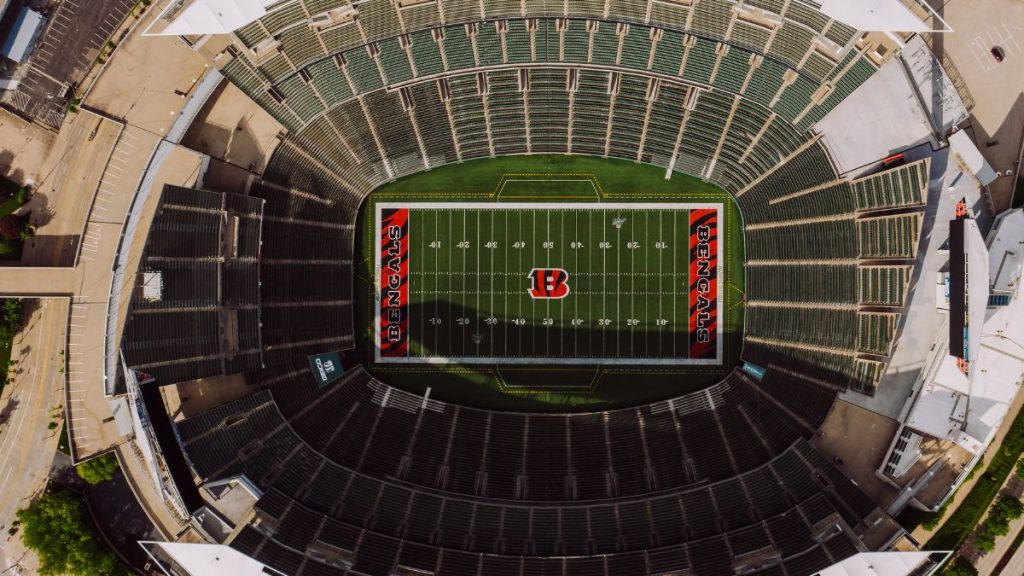
Role of Sponsorships and Media Innovations in Shaping Stadium Expansion
Sponsorship deals and media innovation have become vital to maximizing the return on investment from stadium expansions. These partnerships generate substantial revenue while enhancing fan interaction through branded experiences and high-quality broadcasts.
Serie A’s evolving sponsorship landscape, detailed in this insightful overview, parallels trends visible in NFL and college stadium projects, where corporate partners play a pivotal role. From digital advertising integrated into Daktronics boards to exclusive Nike or Adidas premium areas, sponsorships amplify revenues and sponsor visibility.
Media companies have embraced live streaming innovations to reach wider audiences, incorporating multiple camera angles, real-time stats, and interactive fan interfaces. Platforms chronicled by live football broadcast technology reports illustrate how stadium renovations invested in broadcast infrastructure significantly enhance viewership quality both onsite and remotely.
Commentator dynamics, often highlighted by dramatic coverage through outlets like popular commentator analyses, emphasize the importance of top-tier media facilities. Renovations increasingly focus on press boxes and broadcast suites to equip commentators and media professionals adequately.
These factors underscore that stadium expansions are as much about fan engagement and broadcasting innovation as the physical structures themselves.
List of Media and Sponsorship Elements in Stadium Projects
- Integrated digital advertising and branded premium zones
- Upgraded press boxes and broadcast suites
- Advanced audiovisual equipment supporting multi-angle live feeds
- Collaborations with global brands to create immersive fan zones
- Support for interactive and augmented reality fan experiences