
In the dynamic landscape of European football, the 2025-26 season marks a pivotal moment as elite clubs recalibrate their revenue models to sustain competitive advantage and financial health. Amidst soaring operating costs, tightening Financial Fair Play rules, and the evolving influence of private equity, top-tier football organizations like Manchester United, Real Madrid, and Barcelona are strategically shifting their approach to revenue generation. This evolving financial environment is not only reshaping club economics but also redefining the broader industry’s outlook, balancing commercial growth with sporting success.
The Premier League continues to dominate as the most lucrative football league globally, with its clubs leveraging record-breaking broadcasting deals and robust commercial partnerships. Meanwhile, clubs across La Liga, Serie A, and Ligue 1 are innovating amid financial pressures, accelerating the adoption of multi-club ownership models and intensified digital monetization. As the financial ecosystem of football adapts, questions around sustainability, community identity, and competitive integrity become ever more pertinent.
Within this complex milieu, detailed financial analyses reveal varying strategies—some clubs emphasize boosting matchday revenues through enhanced fan engagement and smart ticketing, others prioritize global sponsorships and digital content to exploit brand power. This article unpacks these adaptations, illustrating how leading football institutions balance tradition and innovation, navigating challenges like escalating player wages and transfer fees, and exploring alternative revenue streams to secure their futures.
En bref :
- Top clubs such as Manchester City and Chelsea FC are integrating Financial Fair Play compliance into their revenue strategies to maintain sustainability.
- Broadcasting rights, primarily in the Premier League, generate over £5 billion per cycle, underscoring their critical role in club revenues.
- Emerging multi-club ownership networks are influencing how football assets are managed, impacting clubs’ commercial and sporting approaches.
- Matchday revenue innovation, including revamped ticketing and merchandising, is a vital component in adapting to post-pandemic challenges.
- Financial dashboards for all 20 Premier League clubs offer transparency and insight into revenues, cost structures, and profitability for the 2025-26 season.
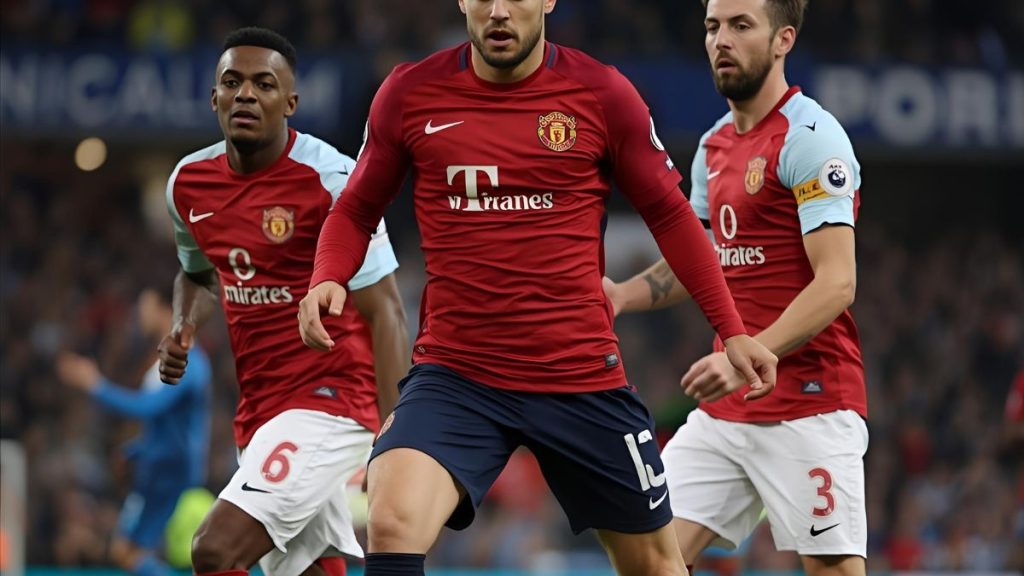
Premier League’s Financial Ecosystem: Refreshing Revenue Streams Amidst Escalating Costs
The Premier League remains the fulcrum of football finance, generating billions from broadcasting, commercial partnerships, and ticket sales. The 2025-26 season showcases how clubs grapple with rising operational expenses, especially soaring player wages, while optimizing income to comply with regulatory frameworks like UEFA’s Financial Fair Play.
Broadcast rights continue to be the cornerstone of revenue that propels English clubs forward. Allocations for domestic and international broadcasting exceed £5 billion per cycle, demonstrating a lucrative and reliable revenue stream. These rights encompass merit payments, facility fees, and equal share distributions, supporting a competitive yet financially balanced league system. Premier League clubs such as Liverpool FC and Arsenal FC capitalize heavily on these payouts but must judiciously align their wage and transfer policies to sustain profitability.
However, player wages represent a formidable challenge. With wage-to-revenue ratios under scrutiny through Profitability and Sustainability Rules, clubs need rigorous cost management. For example, Chelsea FC and Manchester United face intense pressure to restrain salary inflation, which in recent seasons has outpaced revenue growth. The increased participation in UEFA competitions like the Champions League and Europa League has offered financial relief, but clubs must balance ambition with financial discipline.
Cost Structure Challenges and Strategic Adjustments
- Wage Bills: Premier League clubs collectively spend billions on salaries, representing a significant portion of total operating costs.
- Transfer Market Dynamics: Clubs are adjusting transfer fees and amortization accounting practices to mitigate short-term financial impact.
- Agent Fees & Operational Expenses: Heightened regulatory scrutiny and financial controls promote transparency and cost containment.
| Club | 2025-26 Revenue (£m) | Wage-to-Revenue Ratio (%) | Transfer Spending (£m) | EBITDA Margin (%) |
|---|---|---|---|---|
| Manchester United | 610 | 72 | 180 | 15 |
| Arsenal FC | 520 | 65 | 140 | 18 |
| Liverpool FC | 590 | 70 | 165 | 14 |
| Chelsea FC | 480 | 68 | 130 | 13 |
| Manchester City | 650 | 67 | 200 | 20 |
The ability to maintain financial health while investing in sporting success has become a delicate balancing act. Clubs with effective financial governance are outperforming rivals by ensuring that wage growth and transfer expenditure align closely with revenue streams.
Multi-Club Ownership: The Changing Paradigm of Football Asset Management
One of the most compelling shifts in football’s revenue dynamics is the rise of multi-club ownership (MCO). From investment groups like City Football Group, which controls a network including Manchester City and several other clubs worldwide, to private equity firms acquiring stakes to diversify assets, this model is redefining how clubs generate and manage income.
MCO groups look beyond single-club profitability, optimizing player development pipelines, and global brand leverage. The model enhances commercial partnerships by pooling resources, expanding fan bases across continents, and creating cross-promotional opportunities. For example, the global footprint of Real Madrid and Paris Saint-Germain extends through alliances and partnerships that the multi-club owners actively nurture.
Yet, these ownership models bring complexities. Their financial strength allows aggressive transfer spending but necessitates careful management to preserve individual club identities. UEFA increasingly monitors such arrangements due to concerns about competitive fairness and compliance. The strategic focus for MCOs lies in balancing shared operational efficiencies with distinct brand integrity for each club.
Multi-Club Ownership Benefits and Challenges
- Financial Synergies: Shared scouting, training, and marketing reduce costs while leveraging economies of scale.
- Talent Development: Players can be loaned or transferred within the network, optimizing growth and reducing acquisition costs.
- Commercial Growth: Expanding global market access and sponsorship opportunities.
- Identity Risks: Potential dilution of club traditions leading to fan backlash.
- Regulatory Compliance: Ensuring adherence to UEFA rules and managing ownership conflicts.
| MCO Group | Number of Clubs | Revenue Impact (£m) | Regions Covered |
|---|---|---|---|
| City Football Group | 13 | 1,850 | Europe, America, Asia, Oceania |
| RedBird Capital Partners | 5 | 720 | Europe, North America |
| Silver Lake | 6 | 680 | Europe, USA |
The future of football revenue models will likely hinge on the successful integration of multi-club ownership strategies, supported by thorough financial controls and culturally sensitive brand management.

Innovations in Matchday and Commercial Revenue Amid Post-Pandemic Adjustments
With the recovery from the COVID-19 pandemic continuing, elite clubs have introduced innovative approaches to extract greater value from matchday revenue and commercial activities. Fans’ return to stadiums has generated robust ticket sales but with an emphasis on enhanced experiences, diversified merchandise, and digital engagement to supplement traditional income.
Clubs like Bayern Munich and Juventus are pioneering new ticketing technologies and tailored fan experiences that increase spending per attendee. This includes dynamic pricing, membership models, and exclusive packages blending physical and virtual access. Moreover, expanded merchandising lines capitalize on the global appeal of these clubs, facilitating continuous brand interaction beyond matchdays.
- Dynamic Ticket Pricing: Variable pricing models based on demand and opponent profile.
- Fan Membership Programs: Subscription models that offer exclusive content and live experiences.
- Official Merchandise Expansion: Broader product ranges and better digital storefronts.
- Stadium Amenities Upgrades: Improved concessions, hospitality, and fan zones boosting matchday spend.
- Digital Fan Engagement: Use of apps and enhanced social media strategy to maintain loyalty and monetize global audiences.
| Revenue Source | 2024-25 Revenue (£m) | 2025-26 Projected Revenue (£m) | Growth Rate (%) |
|---|---|---|---|
| Matchday Tickets | 680 | 720 | 5.88 |
| Merchandising | 340 | 365 | 7.35 |
| Commercial Sponsorships | 850 | 900 | 5.88 |
Such developments are part of a broader trend towards capitalization on fan-centric revenue streams, ensuring that clubs remain financially viable and increasingly less dependent on volatile broadcasting deals.
Transfer Market Strategies and Economic Impacts on Club Performance
In the 2025-26 season, financial prudence in the transfer market is a defining feature for many clubs balancing ambition with sustainability. Clubs like Paris Saint-Germain and Barcelona adapt by investing in younger talent and offloading high earners to manage amortization and wage expenses effectively. This strategic transfer activity aligns with UEFA and domestic regulations, ensuring adherence to financial benchmarks.
The increasing average transfer fees continue to shape club recruitment policies, with top teams focusing on value acquisitions and longer-term player development facilitated by MCO networks. For example, agent regulations have tightened, influencing transfer negotiations and fee structures to promote transparency and reduce inflated market prices.
- Youth Recruitment Focus: Prioritizing academy graduates and promising young players.
- Loan Deals Optimization: Utilizing temporary moves within club networks to manage squad depth and finances.
- Resale and Buy-back Clauses: Structuring deals for long-term financial benefits.
- Agent Fee Controls: Monitoring and regulating intermediary costs.
- Performance-Linked Contracts: Incentivizing player contributions aligned with club success.
| Club | Transfer Spending (£m) | Player Sales (£m) | Net Spend (£m) | Average Age of Signings |
|---|---|---|---|---|
| FC Barcelona | 160 | 80 | 80 | 23 |
| Paris Saint-Germain | 190 | 100 | 90 | 24 |
| Arsenal FC | 140 | 60 | 80 | 22 |
| Bayern Munich | 150 | 50 | 100 | 21 |
| Manchester City | 200 | 110 | 90 | 23 |
Overall, the transfer market approach reflects adaptive revenue model strategies that emphasize long-term financial health and sporting success, recognizing the volatility inherent in player valuations and market competition.
Digital Transformation and New Media Rights Boosting Club Revenues
The rapid evolution of digital media continues to revolutionize how clubs generate income outside traditional revenue streams. Innovations in broadcasting technology and the expansion of streaming platforms are reshaping income sources and fan engagement globally. Clubs such as Real Madrid and Liverpool FC are investing heavily in digital content creation, social media engagement, and exclusive online experiences.
Broadcast rights have expanded beyond conventional television contracts into multi-platform licensing, including streaming and emerging tech integrations. The Premier League’s lucrative deals with global broadcasters underpin £5 billion of revenue, but the advent of streaming rights changes and live tech broadcasts is opening new monetization channels.
- Multi-platform Broadcasting: Amplifying reach through TV, streaming apps, and social networks.
- Interactive Viewership Experiences: Incorporating gamification and real-time data enhancements.
- Digital Sponsorships: Partnering with tech brands to leverage online visibility.
- Personalized Content: Tailoring content to diverse fan segments worldwide.
- Analytics-Driven Marketing: Utilizing fan data to optimize commercial strategies.
| Broadcasting Segment | Revenue (£m) | Growth (%) | Key Partners |
|---|---|---|---|
| Domestic TV Rights | 3,200 | 6 | Sky Sports, BT Sport |
| International Rights | 2,000 | 8 | DAZN, ESPN |
| Streaming Services | 900 | 20 | Amazon Prime, YouTube |
This new media ecosystem empowers clubs to build direct relationships with fans, creating value beyond the pitch. As digital transformation advances, revenue diversification through emerging rights and technologies is integral to financial stability for elite clubs in 2025-26.