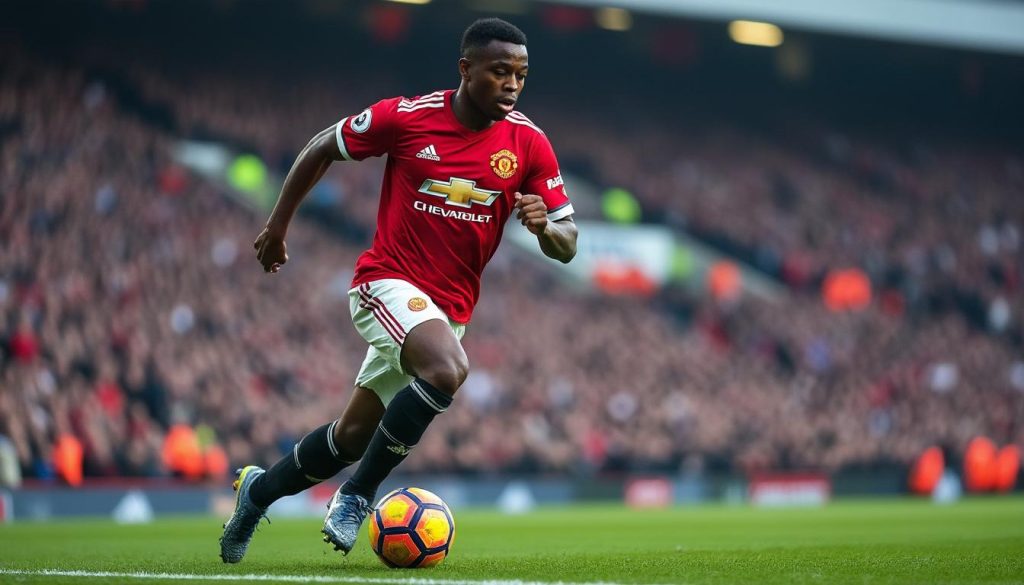
The Premier League title race is intensifying as teams approach a critical and decisive phase of the competition. Advanced performance metrics and statistical models now offer a clearer picture of the unfolding contest, revealing just how fiercely contested the battle for England’s top league honors has become. Traditional powerhouses and emerging challengers both show promising signs, with the standings fluctuating after a series of pivotal fixtures. In 2025, this season is shaping up to be one of the most competitive in recent memory, fueled by strategic squad reinforcements and managerial innovations. The racing positions at the top of the table are razor-thin, and every match outcome significantly shifts the probabilities of who will ultimately lift the trophy.
Sports analysts and football data specialists, including experts at Betimate, employ supercomputer forecasts that have dramatically enhanced the understanding of this season’s dynamics. These models integrate comprehensive datasets such as individual player performances, transfer impacts, injury reports, and favorable or challenging fixture lists. The Premier League’s inherent unpredictability intensifies as Arsenal, Liverpool, Chelsea, and Manchester City duel not just with on-field tactics but against the demands of fixture congestion and psychological resilience. The competition’s complexity creates a layered narrative, thrilling fans and analysts alike, while underscoring that no title is assured until the last whistle blows.
As this gripping title race develops, the interplay of timely transfers, youth talent emergence, and tactical adaptations continues to shape the landscape. This article explores the latest metrics and their implications, highlighting the strengths and vulnerabilities of the top contenders, the historical difficulty of sustained success in the Premier League, and the subtle intangibles that often tip the scales in such tightly contested championships.
Key takeaways:
- The current Premier League title race features a highly competitive four-team battle with Liverpool, Arsenal, Chelsea, and Manchester City as main contenders.
- Advanced performance metrics estimate Liverpool with a 28.9% chance to win, followed closely by Arsenal at 18.8%, Chelsea at 16.2%, and Manchester City at 14.4%.
- English football’s competitive balance contrasts markedly with other European leagues where dominance is often assured, such as PSG in Ligue 1 or Bayern Munich in Bundesliga.
- Dark horse teams like Nottingham Forest and Newcastle pose interesting challenges, with probabilities of 7.9% and 5.8%, reflecting deeper league competitiveness.
- The congested fixture schedule, injury risks, and psychological fortitude will be critical in the decisive phase for all contenders.
Premier League Title Race Dynamics: Analyzing Performance Metrics and Team Strategies
The evolving Premier League title race is a fascinating case study in competitive sports analytics. Performance metrics extracted from player tracking, match results, and historical team data allow experts to quantify the likelihood of success for contending clubs in unprecedented detail. As of 2025, models estimate Liverpool maintains a lead with a nearly 29% chance of capturing the championship, a figure reflecting their sustained performance and significant summer acquisitions amounting to £450 million. Notable signings such as Alexander Isak, Florian Wirtz, and Hugo Ekitike bolster Liverpool’s attacking options, directly improving their expected goals (xG) and creative output statistics.
In contrast, Arsenal and Chelsea remain formidable challengers, each with calculated probabilities hovering around 19% and 16%, respectively. Arsenal’s steady progression is marked by astute recruitment combined with tactical consistency under Mikel Arteta, though recent setbacks like their draw against Fulham highlight vulnerabilities, notably their over-reliance on set-piece goals. Chelsea has undergone a remarkable transformation under Enzo Maresca, blending youthful exuberance with experienced leadership to mount a serious title challenge.
Manchester City, while traditionally dominant, sees a somewhat diminished 14.4% chance, largely due to defensive fragility revealed in recent matches. Pep Guardiola’s high defensive line strategy, which has brought success in the past, currently exposes the squad to counter-attacks—a tactical issue exacerbated by injuries to key defenders. These evolving dynamics make the title chase exceptionally fluid.
By relating these performances to fixture challenges, Liverpool’s early wins over Bournemouth, Newcastle, and Arsenal strengthen their position but the scheduling of crucial head-to-head clashes—such as the upcoming Manchester Derby—promises to reshape the leaderboard dramatically. The interaction of squad depth, injury management, and adaptability to tactical shifts lies at the heart of the current season’s intrigue.
Broadening the scope, the Premier League’s title race stands in stark contrast with other European leagues where title outcomes are heavily skewed toward one or two clubs. For example, Paris Saint-Germain holds approximately 73% probability of winning Ligue 1, a stark disparity compared to the four-way uncertainty gripping the English top flight. Similarly, Bayern Munich and Real Madrid dominate Bundesliga and La Liga respectively with even greater assurance, underscoring the Premier League’s unique competitive balance.
A detailed look at key teams’ chances shows that other contenders like Nottingham Forest, with a notable 7.9% chance, could play spoiler roles, challenging assumptions around stable league hierarchies. Newcastle’s resurgence, boasting a 5.8% title probability, reflects effective squad building and tactical maturity, intensifying the race.
| Team | Title Win Probability (%) | Key Strength | Potential Weakness |
|---|---|---|---|
| Liverpool | 28.9 | Strong attacking signings, tactical depth | Consistency under pressure |
| Arsenal | 18.8 | Strategic recruitment, disciplined defense | Reliance on set-pieces |
| Chelsea | 16.2 | Young talent, resilience in comebacks | Experience in high-stakes matches |
| Manchester City | 14.4 | Squad depth, tactical innovation | Defensive vulnerabilities |
| Nottingham Forest | 7.9 | Team cohesion, defensive solidity | Limited experience at the top |
Analyzing these metrics emphasizes that while Liverpool holds an edge, the Premier League title race remains increasingly open and fiercely competitive.
Challenges and Tactical Adaptations: How Key Teams Are Navigating the Decisive Phase
Entering the decisive phase of the Premier League season, teams face numerous challenges that test their tactical acumen and squad resilience. Manchester City’s recent defensive struggles highlight the tactical fragility that can arise even in the most well-drilled teams. The hallmark high defensive line, pivotal to their aggressive pressing strategy, has increasingly invited counter-attacks, disrupting their rhythm and leading to dropped points—such as the 2-2 draw with Crystal Palace. The injury crisis among key defenders compounds this issue, leaving makeshift rearguards vulnerable at critical moments.
Liverpool, under Arne Slot, demonstrate how robust transfer activity can translate into on-pitch advantages. Their investment in attacking reinforcements has diversified goal threats, reducing the predictability of their offensive approach. This depth becomes particularly vital given the congested fixture list typical of Premier League seasons. Liverpool’s ability to rotate and maintain performance levels amid pressure is a key factor in the club’s sustained lead according to performance metrics.
Chelsea’s resurgence offers a compelling narrative of tactical evolution under Enzo Maresca. Their 4-3 comeback victory against Tottenham not only displayed offensive firepower led by young stars like Cole Palmer but also resilience rare for a side still rebuilding confidence. This psychological edge—demonstrated through late-game momentum swings—could prove decisive in a title race where mental toughness is as critical as technical skill.
Arsenal’s recent stumble with a 1-1 draw against Fulham outlined potential tactical pitfalls. Their dependence on set-piece goals, such as Saliba’s equalizer, points to offensive limitations when open play creativity stalls. Moreover, vulnerabilities exposed to counter-attacks suggest a need for adaptability in defensive organization to remain competitive. Tactical flexibility in upcoming matches, especially in high-stakes fixtures, will be essential.
Manchester United, though outsiders at this stage, are capitalizing on the vulnerabilities of their rivals. The blend of experienced leaders like Bruno Fernandes and dynamic young forwards creates a counterpoint to instability witnessed in other clubs. Their organizational improvements under Rúben Amorim have enhanced set-piece execution and transition speed—areas identified by performance metrics as critical opportunities to influence matches in tight competitions.
The approaching festive fixture congestion will likely define the trajectory of the season’s final months. Teams with deeper squads capable of rotation without loss of quality will inherently gain an edge. Moreover, psychological stamina and injury management emerge as non-quantifiable but indispensable components fostering sustained title challenges.
The Role of Fixture Scheduling and Its Impact on the Premier League Title Standings
The scheduling of fixtures plays a pivotal role in shaping the Premier League table, especially during this decisive phase. Clubs facing consecutive matches against other top contenders encounter intensified pressure, influencing strategic preparations and player fatigue management. Liverpool’s early victories over Newcastle, Bournemouth, and Arsenal afforded a morale boost and points buffer crucial at this juncture. However, the pending critical fixtures, including upcoming head-to-head clashes like the Manchester Derby, underscore how swiftly standings can shift.
The congested calendar often requires clubs to balance league ambitions with participation in domestic cups and European competitions. This dual demand necessitates adept squad rotation and tactical modifications, as failure to manage workload contributes to dips in form and injury risks. Liverpool’s aggressive summer spending spree aims in part to address these demands by cultivating both quality and depth.
Fixture sequencing also offers psychological advantages or disadvantages. Teams accruing positive results against direct rivals early gain vital momentum, as observed with Chelsea’s spirited victory against Tottenham disrupting traditional hierarchies. Conversely, Arsenal’s draw with Fulham, a perceived weaker side, exemplifies how dropped points against lower-ranked teams can introduce uncertainty into title calculations.
Tracking matchday performances and fitness indicators reveals patterns related to fixture congestion impact. Analysts emphasize that teams with superior conditioning programs and recovery strategies maintain a more consistent high-performance level. These elements become increasingly decisive in narrow title races, as minor lapses often tip the overall outcome.
Expanding the view, the Premier League’s scheduling complexity contrasts with some continental leagues where fixture difficulty is more evenly distributed. Such disparities contribute to the unpredictable swings in English football, as teams must rapidly respond to variable challenges each week.
Intangible Factors Influencing the Premier League Title Contest Beyond Metrics
Beyond pure data lies a realm of intangible factors influencing the Premier League title race. Psychological resilience, leadership qualities, and club culture often trigger fiercely competitive performances in crucial moments. Arne Slot, Liverpool’s manager, acknowledges the heightened parity among contenders, emphasizing that mental strength and the ability to adapt tactically are no less important than statistical superiority.
Emotional responses to key events—be they victories, setbacks, or off-field developments—impact team morale and cohesion. For instance, a dramatic comeback win, like Chelsea’s against Tottenham, can catalyze a sustained confidence surge, shifting momentum for weeks. Conversely, unexpected injuries or internal pressures might precipitate performance dips, as players and staff navigate uncertainty.
Leadership figures such as captain Bruno Fernandes at Manchester United or veterans embedded in Arsenal and Chelsea squads play a critical role maintaining equilibrium under pressure. Such influences are difficult to quantify but manifest in moments determining matches and ultimately the title race.
Moreover, the unpredictable nature of football itself—where a single controversial decision, weather condition, or refereeing call alters outcomes—adds to the sport’s allure and keeps predictive models in check. This element of uncertainty ensures that statistics, while valuable, are part of a broader narrative encompassing human factors and real-time adaptations.
Fans and journalists often amplify these intangibles, creating heightened narratives and psychological environments around teams. The Premier League, distinguished by its global viewership, experiences unique pressures within this ecosystem that can directly affect player focus and performance.
Strategic Implications and Prospects for the Final Premier League Title Run-In
Looking ahead, the final stretch of the Premier League season demands strategic excellence from managers and players alike. Clubs will increasingly rely on data-driven insights combined with real-time tactical adjustments. As Liverpool remains the current favorite according to performance metrics, Arsenal, Chelsea, and Manchester City possess capabilities to challenge aggressively, keeping the race tantalizingly close.
Key considerations include how teams allocate playing time to prevent burnout, the management of key players’ health, and the psychological preparation for high-stakes fixtures. Managers must often balance risk and reward, deciding when to press for maximum points or secure valuable draws in challenging away matches.
- Squad rotation: Vital to maintain fitness across intense fixtures.
- Set-piece effectiveness: Providing crucial scoring opportunities, as seen with Arsenal and Manchester United.
- Defensive solidity: A deciding factor in tightly contested matches, especially for Manchester City’s vulnerable backline.
- Youth impact: Emerging talents adding unpredictability, notably Chelsea’s Cole Palmer.
- Psychological preparedness: Mental resilience increasingly critical in high-pressure encounters.
This nuanced balance between analytics and on-field realities defines the Premier League’s uniqueness. The high caliber of competition ensures that no single factor alone determines the outcome. Liverpool’s bold transfer moves and tactical flexibility embody current trends of adaptation essential for championship success.
Meanwhile, potential dark horses like Nottingham Forest and Newcastle maintain noticeable probabilities, reflecting the league’s rich depth. Such complexities will undoubtedly produce numerous captivating storylines as the final phase unfolds.
To stay updated on the latest fixture results and league standings that continue to shift this gripping title race, visit Premier League live scores.
Which teams are considered favorites in the current Premier League title race?
Liverpool leads the race with a 28.9% chance, closely followed by Arsenal, Chelsea, and Manchester City according to advanced performance models.
How does fixture congestion affect team performance during the decisive phase?
Fixture congestion strains player fitness and squad rotation, requiring tactical adaptions and effective injury management to maintain top form.
What role do intangible factors play in the title race?
Psychological resilience, leadership, and unexpected events influence team performance beyond what metrics can predict, often deciding critical moments.
Are there any dark horses capable of challenging the top teams?
Nottingham Forest and Newcastle, with probabilities of 7.9% and 5.8% respectively, offer potential surprises driven by strong team cohesion and tactical strengths.
Why is the Premier League considered more competitive than other European leagues?
The Premier League’s balance of power among multiple clubs, close fixture battles, and fewer dominant favorites result in a highly unpredictable and exciting competition.