
The 2025 Africa Cup of Nations (AFCON) has reached an electrifying crossroads with the conclusion of the group stage on December 27, 2025. This phase, conducted across Morocco’s vibrant stadia and cities, has offered more than just fatigue-inducing fixtures; it revealed the true contenders and exposed the vulnerable. The tournament features 24 teams battling through six groups, each packed with rich football heritage, ambition, and dreams of continental glory. As the dust settles on the final group matches, the focus sharpens on identifying which teams are truly primed to lift the trophy in January 2026. This pivotal moment is dense with tactical intrigue, emotional stakes, and emerging narratives that reflect the evolving landscape of African football.
Host Morocco, alongside traditional powerhouses such as Senegal, Algeria, and Nigeria, have showcased dominant performances, though the tournament has not been devoid of surprises. The top two finishers in each group and select best third-placed teams now look ahead to the knockout format, where every match could etch or erase legacies. The intricate qualification rules emphasizing head-to-head results, goal differences, and points accumulation have amplified the tension and drama, compelling teams to adopt varied tactical approaches. Moreover, the stellar play of key athletes, tactical acumen of coaches, and the fervent backing from passionate supporters converge to intensify the competition.
Analysts and fans have closely followed the unfolding drama, from tightly contested duels to commanding wins. Understanding the performance dynamics of qualified teams offers insight into who might realistically energize the tournament’s latter stages. For comprehensive insights and live coverage, platforms like live football streaming services have become invaluable for true aficionados eager to witness every gripping moment. As we traverse through analyses of tournament favorites and key team performances, the anticipation and excitement surrounding AFCON 2025 are unmatched, underscoring why it remains Africa’s premier football spectacle.
In brief: Key takeaways on AFCON 2025 post-group stage
- Morocco has leveraged home advantage effectively, topping Group A and standing as strong tournament favorites.
- Teams like Senegal and Algeria maintain their historic contender status, exhibiting tactical discipline and individual brilliance.
- The format allowing the four best third-placed sides to advance keeps several teams’ hopes alive, maintaining suspense.
- Final group stage games on December 27 delivered decisive outcomes, shaping the knockout roadmap beginning January 3, 2026.
- Key matchups such as Nigeria vs. Tunisia exhibited the heightened intensity that defines late-stage group competition.
- Expert predictions highlight how team depth, leadership, and adaptability will influence the next phase.
- The competitive balance across groups signals a fiercely contested knockout stage, affirming AFCON’s reputation for unpredictable drama.
AFCON 2025 December 27 group stage aftermath: analyzing tournament favorites and team performance
The conclusion of AFCON 2025’s group phase has clarified which squads now wear the mantle of tournament favorites. Morocco’s performance, buoyed by home support in Casablanca and Rabat, stands as a benchmark, illustrating how environmental and emotional factors can bolster team output. Morocco’s blend of tactical solidity and attacking fluidity led to crucial draws against Mali and decisive wins over Comoros, ensuring they lead Group A with a confident points tally.
Senegal, historically a powerhouse, continues to embody relentless pace and tactical versatility. Their draw against DR Congo, coupled with sturdy wins over Benin and Botswana, certifies them as formidable knockout contenders. Similarly, Algeria displayed a ruthless edge, topping Group E with unwavering focus and a perfect winning streak, dispatching Sudan and Burkina Faso without slipping.
In the often unpredictable Group C, Nigeria and Tunisia battled fiercely with Nigeria clinching narrow victories in critical moments, setting the tone for potential deep tournament runs. A tactical masterclass featured prominently during their narrow 3-2 victory over Tunisia, showcasing Nigeria’s attacking prowess combined with resilient defending under pressure. Such performances spotlight these teams as those to watch in January’s knockout rounds.
Equally noteworthy are teams carrying the hopes of smaller or emerging football nations. Zambia’s disciplined approach and Comoros’ spirited play in Group A exemplify how tactical maturity can bridge traditional football gaps. These narratives add layers to the unfolding tournament drama, making AFCON 2025 a rich tapestry of diverse footballing philosophies.
These developments complement extensive match analyses available on specialized sites where followers can explore tactical breakdowns and player performances. For those interested, Morocco’s squad insights provide a revealing window into one host nation’s recipe for success. The group stage’s outcome further fuels tournament predictions debating potential trajectories toward the title.
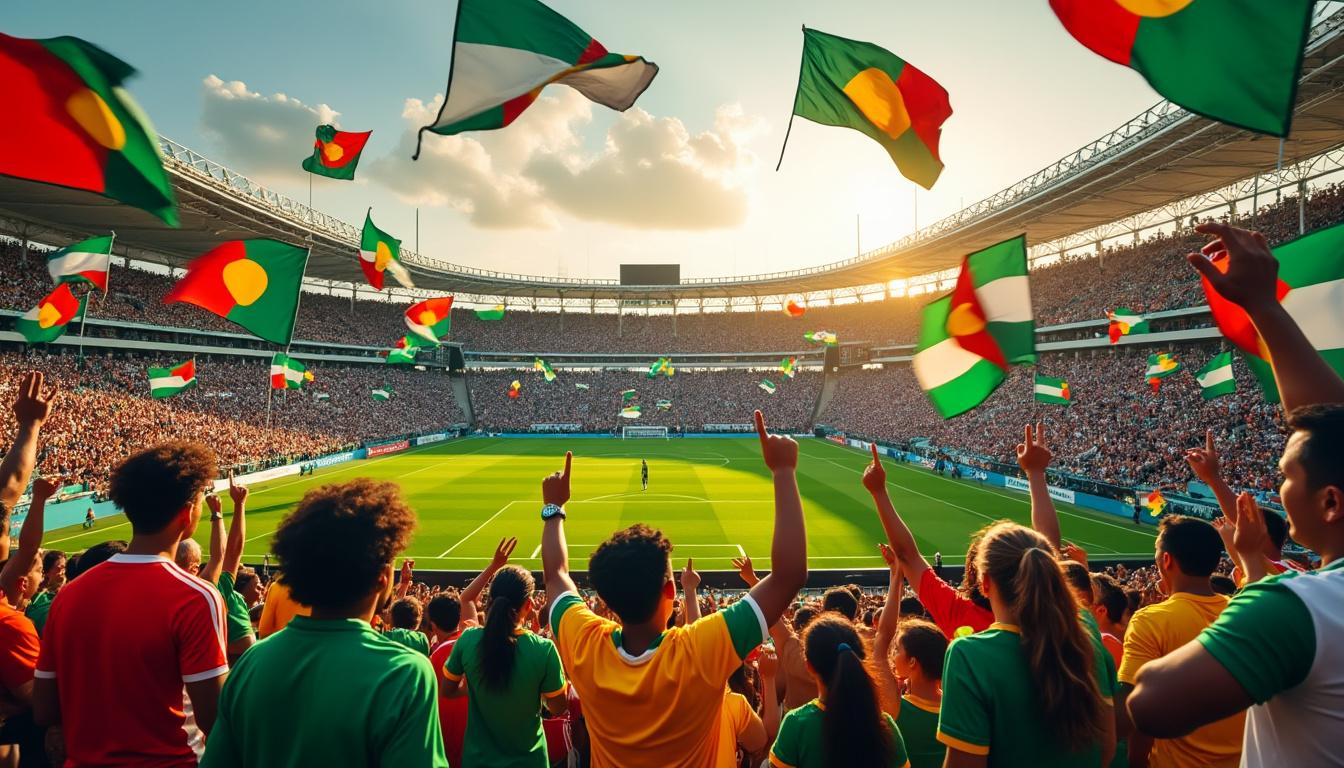
Crucial December 27 clashes shaping final qualifications and knockout prospects
The tournament’s tension reached a fever pitch on December 27, 2025, as the final group-stage matches decided the fate of many teams across multiple groups. Notably, the escalating stakes produced an atmosphere of both heartbreak and jubilation. Each game carried immense weight, with squads battling not only for pride but for survival in the fiercely competitive African Cup of Nations format.
Group C’s Nigeria versus Tunisia fixture epitomized the razor-thin margin of success, where Nigeria fashioned a thrilling comeback to win 3-2 on the road to qualification. The encounter was a tactical and psychological trial, with both sides pushing the limits of their capabilities under high stakes. Meanwhile, Uganda and Tanzania’s 1-1 draw left tactical questions unanswered, benefitting Nigeria’s calculated consistency.
Another pivotal matchup was Comoros vs. Mali in Group A, where Mali edged out a narrow win to secure a knockout berth. This result underlined the importance of seizing opportunities and highlighted how lower-ranked teams can disrupt traditional hierarchies. The final day’s fixtures in groups B and D, including South Africa facing Zimbabwe and Senegal drawing with DR Congo, solidified the standing of established powers while setting the stage for drama in subsequent rounds.
The format of allowing the best third-placed teams to advance added a compelling strategic layer. Some squads aggressively pursued more than just qualification points, aiming to improve goal differentials and total goals scored – critical in tiebreak scenarios. Understanding these mathematical nuances enhances appreciation for the evolving game dynamics. Dedicated coverage on platforms such as live streaming of key clashes enriches fan experience with real-time context and expert commentary.
| Group | Top Teams Qualified | Best Third-Placed Teams | Key December 27 Fixtures |
|---|---|---|---|
| Group A | Morocco, Mali | Comoros (contender) | Comoros vs. Mali |
| Group B | Egypt, South Africa | Zimbabwe (contender) | South Africa vs. Zimbabwe |
| Group C | Nigeria, Tunisia | Uganda (contender) | Uganda vs. Tanzania, Nigeria vs. Tunisia |
| Group D | Senegal, DR Congo | Benin (contender) | Senegal vs. DR Congo, Benin vs. Botswana |
| Group E | Algeria, Burkina Faso | Sudan (contender) | Equatorial Guinea vs. Sudan, Algeria vs. Burkina Faso |
| Group F | Cameroon, Ivory Coast | Mozambique (contender) | Ivory Coast vs. Cameroon, Gabon vs. Ivory Coast |
Decoding tiebreakers and wildcard criteria heightening AFCON 2025 group stage drama
The complexity of qualifying criteria in AFCON 2025 cannot be overstated, particularly as the group stage culminates on December 27. The combination of direct qualifications and wildcard entries based on performance metrics has injected acute strategic considerations for coaches and players alike.
Key among these are the traditional head-to-head results, which serve as the first tiebreaker, often proving decisive in close groups such as Group D and Group F. However, when teams finish equal on points and head-to-head matches, point differential and total goals scored become critical. This makes every attack and defensive effort crucial, influencing how teams approach even seemingly dead rubber moments.
For instance, Comoros’ precarious position in Group A exemplifies the necessity of maximizing goal opportunities while preventing conceding late goals, underscoring a tactical shift between cautious defense and opportunistic offense. These nuances are mirrored in the NBA Cup’s group stage, where point differentials determine wildcard entries, as seen in tightly contested eliminations.
Understanding these rules is fundamental for followers interpreting the final standings and allows observers to appreciate how strategic choices during the group stage impact the long-term trajectory of teams. Coaches face challenging decisions in maintaining team composure versus pursuing aggressive tactics, often pivoting on risk tolerance and psychological fortitude.
A succinct summary of critical tiebreak considerations includes:
- Direct head-to-head results prioritize the outcomes of matches among tied teams.
- Goal difference measures the net goals scored against conceded across all group matches.
- Total goals scored encourage more offensive play to gain an edge in ranked ties.
- Disciplinary records and drawing of lots act as last-resort tiebreakers in rare scenarios.
For a deeper dive into the tactical implications and crowd reactions, the coverage of related decisions can be explored through the profile of key players shaping the tournament.
Tactical and psychological dynamics revealed through final group matchday clashes
The high-stakes environment of December 27 unveiled critical insights into the strategies teams employ when every point counts toward their survival and progression. Coaches faced dilemmas that tested tactical flexibility, player endurance, and mental resilience as pressure mounted.
Among the tactical innovations witnessed was the hybrid defensive formations designed to absorb pressure while launching quick counterattacks. Teams like Nigeria and Senegal have notably managed these transitions efficiently, balancing solid defensive structure with dynamic forward play. This multifaceted approach not only adapts to opponents’ strategies but also enables in-game tactical shifts vital to securing positive results.
Psychological resilience emerged as a vital factor. Groups with several tightly matched teams, such as Group C and Group D, saw players making crucial decisions under intense stress. The ability of squads such as the Toronto Raptors in basketball’s NBA Cup to maintain focus under pressure finds parallels here, proving that leadership and mental strength are as pivotal as technical skills.
Analyzing the final group matches through this lens reveals lessons on risk management. Teams push for decisive goals when necessary but also display caution to avoid costly errors that could eliminate them. The balance between aggression and prudence often shapes the match outcome, as seen in the closely fought contests among knockout-bound sides.
- Flexible tactical shifts help teams adjust to in-game developments, responding to score changes and opponent tactics.
- Leadership on the pitch facilitates composure and decision-making during high-pressure moments.
- Risk assessment governs the intensity and style of play, influencing whether teams defend deeply or attack ambitiously.
Post-group stage implications: looking ahead to knockout battles and potential winners
With the AFCON 2025 group stage wrapped, the shifting landscape now points to an intense knockout phase. The advancing squads range from proven giants to underdog stories, creating a melting pot of styles and ambitions. Knockout clashes, scheduled from early January 2026, promise thrilling encounters influenced by the performances observed up to now.
Morocco, emboldened by tactical consistency and home support, stands as a clear favorite. Their ability to combine youthful energy with experienced leadership marks them as a team arguably poised to capitalize on this platform. Past champions such as Ivory Coast and Algeria also project strength, informed by their sustained group stage form and tactical discipline.
Teams emerging from the trenches of wild-card qualifications can provide significant surprises. Their hunger and motivation often translate into fearless performances where upsets become plausible. The knockout structure amplifies such dynamics, as a single result can shift the narrative dramatically.
The broader implications for African football include the potential for rising stars to galvanize national pride and international recognition. For those seeking continued in-depth match reviews and future predictions, detailed coverage of key African international fixtures offers insight into players and trends that resonate beyond the AFCON stage.
The emotional toll for eliminated teams is considerable, pushing federations to reassess strategies and plan for rebuilding. The progression or exit at this stage often initiates an off-field narrative of transformation, player development, and ambition adjustment.
As knockouts approach, fans worldwide remain captivated, their hopes pinned on moments of football brilliance, resilience, and the pursuit of continental supremacy.
How does the AFCON 2025 group stage influence knockout qualifications?
The top two teams from each group plus the four best third-placed teams based on points and goal difference advance to the knockout round, emphasizing strategic group-stage performances.
Which teams are considered favorites to win AFCON 2025 after the group stage?
Host Morocco, along with Senegal, Algeria, Nigeria, and Ivory Coast, are among the strongest contenders based on their group performances and squad depth.
What role do tiebreakers play in AFCON 2025 group stage outcomes?
Tiebreakers such as head-to-head results, goal difference, and goals scored are crucial in deciding tight qualification spots, especially for third-placed team wildcards.
What are the key December 27 matches that influenced AFCON group standings?
Matches like Nigeria vs. Tunisia, Comoros vs. Mali, and Senegal vs. DR Congo were decisive in determining which teams progressed to the knockout stage.
How do teams prepare mentally for high-pressure group stage deciders?
Teams focus on leadership, maintaining psychological resilience, and tactical flexibility to manage the intense pressure of must-win games.