World Cup 2026 Schedule: Match Dates, Venues & Betting Predictions
The 2026 FIFA World Cup promises a spectacular chapter in football history, setting new benchmarks with 48 qualifying teams, 104 matches across 16 cities, and triple hosting between the USA, Mexico, and Canada. The buzz in major metropolises such as New York New Jersey, Los Angeles, and Mexico City is palpable as these hubs prepare to host everything from the electrifying group stages to the crowning final at MetLife Stadium. With expanded formats, intricate schedules, and a vibrant patchwork of global venues, sport’s “beautiful game” is set to deliver a World Cup experience on a grand scale. This guide unpacks the historic expansion, complete schedules and venues, in-depth team representation, ticketing nuances, and strategic betting insights so fans from Kansas City to BC Place won’t miss a single matchday moment or wagering opportunity.
2026 World Cup
Qualified Nations & Odds
At a Glance: World Cup 2026 Schedule & Highlights
Record Expansion: 48 national teams, 12 groups of four, and a total of 104 matches—more spots than ever, with the top two teams and select third-placed teams advancing to a new round of 32.
Host Nation Collaboration: USA, Canada, and Mexico, spanning 16 host cities with most matches in the U.S. and iconic openers at Estadio Azteca.
Schedule Focus: June 11–July 19, with the opening match in Mexico City and final at MetLife Stadium, New York New Jersey.
Time Zone Dynamics: Matches across several zones (EST, CST, PST) for global broadcast appeal.
Fan Essentials: Group stage and knockout phases mapped out, ticket details, official sponsors, and unique betting predictions given the vast venues and expanded format.
Notable Venues: SoFi Stadium, BC Place, Mercedes-Benz Stadium, BMO Field, AT&T Stadium, NRG Stadium and more, ensuring world-class facilities.
Cultural Impact: Unprecedented hospitality offerings, major Fan Fest events, and a celebration of the “global game” on the “global stage.”
Comprehensive Overview of the 2026 FIFA World Cup Schedule and Format
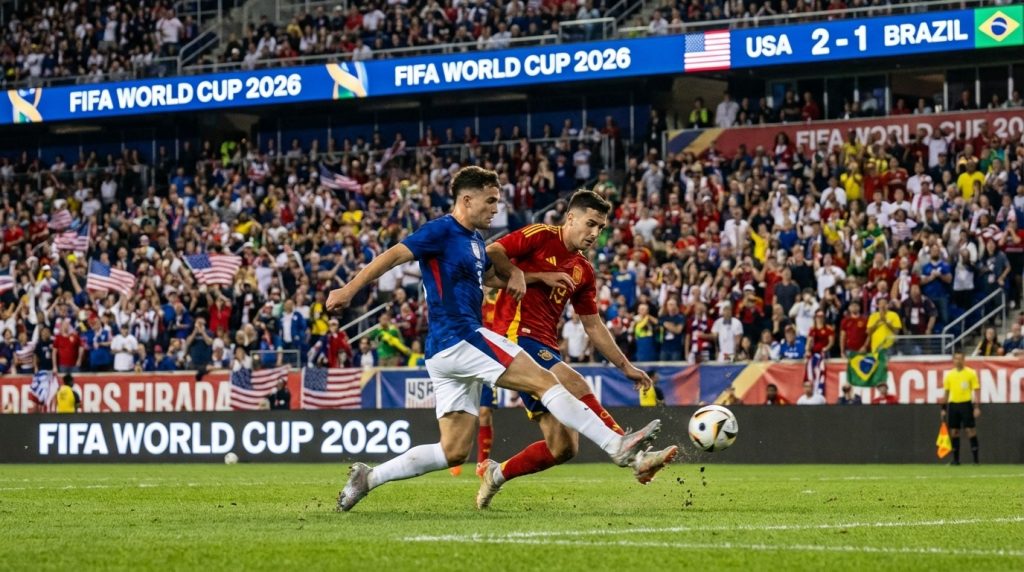
Historic Expansion to 48 Teams and Multi-Nation Hosting
The FIFA World Cup 2026 stands as a watershed moment in football, breaking new ground with 48 national teams up from the traditional 32. This transformation is more than an administrative update. It amplifies global participation, with confederations like CONCACAF, CAF, AFC, and others benefiting from more World Cup spots, providing nations such as South Africa, Australia, Uzbekistan, and Curacao fairer routes to qualify for the World Cup. The spectacle is further heightened by the jointly hosted model encompassing Canada, Mexico, and the USA. Each brings their unique football culture and state-of-the-art venues to the world, with decision-makers drawing inspiration from the legacy of the 1994 FIFA World Cup in the United States.
The excitement is reminiscent of President Donald J Trump’s high-profile push in the successful bid to host. This edition is not only a sports event but also a powerful celebration of North America’s shared passion and unity, arriving in time for the nation’s 250th anniversary in the US. With the organizing committee ensuring that stadiums such as Estadio Azteca, SoFi Stadium, BMO Field, and MetLife Stadium are equipped for unparalleled hospitality and safety fans and players alike are in for a world-class event that honors the beautiful game and the global stage it commands.
Tournament Duration and Key Dates: June 11 to July 19, 2026
The official schedule kicks off on June 11 with the opening match at Estadio Azteca in Mexico City and concludes on July 19 at the MetLife Stadium in New York New Jersey. These dates encapsulate 39 days of intense action, marked by both a festive atmosphere and tight logistical coordination. For fans tracking every single match, the Road to 2026 means syncing calendars to matchdays be it early morning in Tokyo, or a post-lunch event in Paris.
Unique to this edition, the extensive match schedule ensures minimal rest days between rounds, so momentum remains high for teams and spectators alike. Expect major broadcast events similar to the FIFA Club World Cup and a highly anticipated draw for the 2026 schedule, set for March 2026. World Cup fans should stay tuned for updates on the official FIFA World Cup site, where precise match kickoff times and venues will be published closer to the event.
Match Quantity and Host Cities Breakdown Across Canada, Mexico, and the U.S.
The 2026 World Cup is unprecedented in its spread: 104 matches take place across 16 host cities, with the USA set to host 78 matches. Mexico features three stadiums Estadio Azteca, Estadio BBVA, Estadio Akron while Canada makes its mark at BMO Field in Toronto and BC Place in Vancouver. Notably, SoFi Stadium in Los Angeles is poised to be a highlight, reflecting the grandeur reminiscent of the Olympics. AT&T Stadium and NRG Stadium are also among the extensive venues prepared for this sporting showcase.
This cross-border matrix allows world cup fans in Cities across Canada, Mexico, and the U.S. to participate firsthand. Host cities for FIFA World Cup 2026™ offer diverse backdrops from the energy of Kansas City to the panoramas of Vancouver. Every city is working tirelessly to ensure seamless transportation, rich hospitality, and unique local flavor for the global influx of visitors.
Detailed Group Stage Schedule: Dates, Venues & Match Kickoff Times
Structure and Progression of 12 Groups with 4 Teams Each
The group stage introduces twelve groups of four teams, with round-robin play to decide advancement. This multi-tiered format intensifies competition: with 48 teams on the global stage, group matches are pivotal for teams aspiring to reach the knockout rounds. After all, only the top two teams from each group, plus the eight best third-placed teams, move forward into the single match drama of the Round of 32.
This expansion means increased opportunities for emerging teams. For instance, Morocco, after its stunning 2022 World Cup run, could face early tests against legacy powers like Brazil or Germany. Coaches and analysts will need to strategize with the grueling schedule and high-stakes results in mind. With each matchday carrying weight, every fixture could deliver upsets or create legends.
Local Kickoff Times and Time Zone Considerations for Global Viewers
With matches held across several time zones Eastern (New York, Boston), Central (Houston, Kansas City, Mexico City), Pacific (Los Angeles, Vancouver, Seattle) global viewers face the challenge of planning around kickoff times. The official FIFA World Cup 26™ organizing committee is prioritizing accessible schedule publication and broadcast windows. For viewers in Japan or Australia, late-night or early-morning matches are on the agenda, while European supporters can catch afternoon or evening games, depending on host cities.
Host City | Main Venue | Time Zone | Sample Kickoff (Local) |
|---|---|---|---|
New York New Jersey | MetLife Stadium | Eastern (UTC-5) | 15:00 / 20:00 |
Los Angeles | SoFi Stadium | Pacific (UTC-8) | 13:00 / 19:00 |
Mexico City | Estadio Azteca | Central (UTC-6) | 14:00 / 21:00 |
Toronto | BMO Field | Eastern (UTC-5) | 16:00 / 21:00 |
Official kickoff times per venue will be confirmed closer to March 2026, shortly after the group draw, ensuring optimized fan engagement globally.
Geographical Distribution of Group Matches Across 16 Host Cities
Group matches are carefully dispersed, ensuring fair travel demands for teams and rich experiences for fans. Key cities for FIFA World Cup 2026™ group fixtures include Mexico’s Estadio Azteca and Estadio Akron, Canada’s BMO Field and BC Place, and U.S. stadiums like NRG Stadium, AT&T Stadium, and Arrowhead Stadium in Kansas City. Such wide distribution allows more fans than ever to immerse themselves in the World Cup experience from stadium seats or dynamic Fan Fest events.
Regions like the Pacific Northwest see Seattle’s Lumen Field and Vancouver’s BC Place in the spotlight, while the Midwest’s heart beats at Kansas City’s Arrowhead Stadium. Southern U.S. is represented with powerhouses such as Mercedes-Benz Stadium in Atlanta and Hard Rock Stadium in Miami. The use of such varied world-class venues ensures that every host city puts its unique stamp on the schedule.
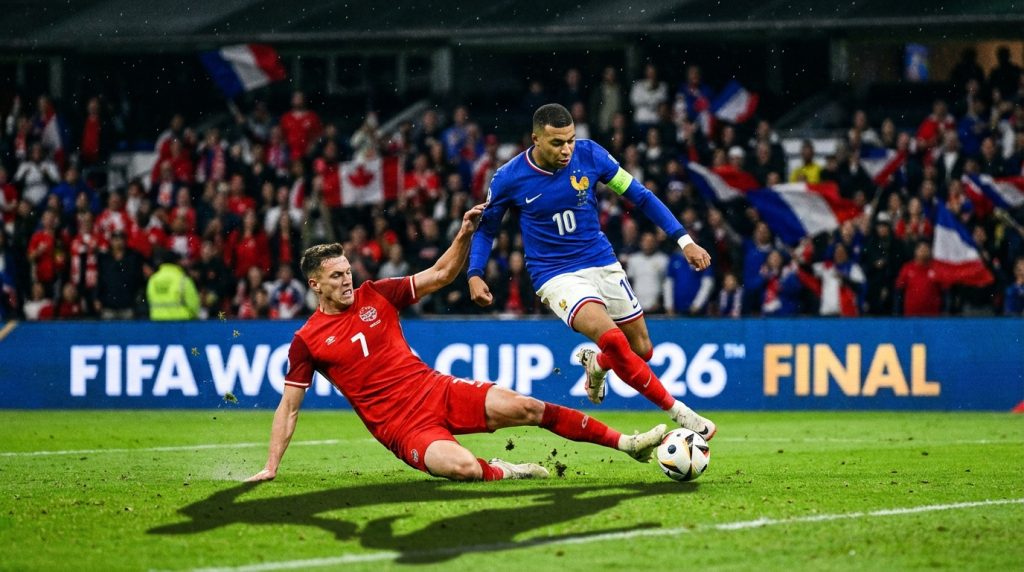
Knockout Phase Fixtures: Round of 32 to Final Match Schedule
Round of 32 and Round of 16 Dates With Venues
Progression from group stages leads to a dramatic knockout phase the newly introduced Round of 32 creates more “do-or-die” matches, increasing unpredictability for both teams and bettors. Key U.S. venues like AT&T Stadium and NRG Stadium will host several high-pressure fixtures. Mexico’s Estadio BBVA and Canada’s BC Place also feature prominently, underlining North America’s collaborative showcase.
These matches require swift adjustments from teams, with mere days to recuperate between grueling encounters. Fans and pundits alike should review the concrete schedule, as knockout matchups often reward squads with depth and tactical flexibility.
Quarterfinals, Semifinals, and Third Place Playoff Details
The latter rounds are concentrated in the USA with heavyweights like MetLife Stadium, SoFi Stadium, and Mercedes-Benz Stadium playing host. Quarterfinal clashes are scheduled for major weekends to maximize stadium attendance and global broadcast audiences. The Semifinals lead to epic showdowns at venues like Lincoln Financial Field, known for its electric NFL atmosphere, while Vancouver’s BC Place ensures a dramatic Canadian showcase.
Quarterfinals: Hosted at AT&T Stadium, NRG Stadium, Hard Rock Stadium, and Gillette Stadium
Semifinal: Staged at SoFi Stadium and BC Place
Third Place Playoff: Scheduled at Mercedes-Benz Stadium
Each round offers a crescendo in stakes, with ticket prices rising and predictions swirling about favorites from Germany, Brazil, or underdogs like Senegal and Saudi Arabia.
The Iconic Final at MetLife Stadium: Date and Kickoff Insights
Football’s grandest stage is set for the final on July 19 at MetLife Stadium. This world-class venue, enveloped by the iconic New York New Jersey city skyline, will crown the new world champions in front of a capacity crowd and billions of TV viewers. The official FIFA World Cup 26™ match schedule ensures prime-time delivery, with local and international broadcasters poised for record viewership.
The anticipation conjures memories of previous tournaments, yet the 2026 edition breaks all records in scale, diversity, and spectacle underlining the legacy of “The World’s Game” and the significance of hosting the event on the 250th anniversary of the United States.
Host Venues Highlight: From Estadio Azteca Opening to New Jersey Finale
Mexico City’s Estadio Azteca: Opening Match Venue Details
Estadio Azteca, renowned for historic moments (such as Maradona’s “Hand of God” goal), reemerges as the focal point of the opening ceremony. This legendary stadium, with a capacity exceeding 87,000, will welcome fans from Canada, Mexico, and the USA in a spectacle befitting the launch of an expanded World Cup.
Hosting the opener solidifies Mexico’s place alongside the world’s elite sporting venues, ensuring the eyes of the world are on Latin America before the action plays out in stadiums across North America. Mexico leverages its long football history and iconic local support to set a raucous, unifying tone for the tournament ahead.
U.S. Venues Dominating the Schedule: Hosting the Most Matches
The United States will host the FIFA World Cup at 11 venues, reflecting the enduring passion and infrastructure developed since 1994. NRG Stadium, AT&T Stadium, SoFi Stadium, Gillette Stadium, Hard Rock Stadium, Lincoln Financial Field, Lumen Field, Mercedes-Benz Stadium, Arrowhead Stadium, and MetLife Stadium all get their share of the schedule’s spotlight hosting a dynamic mix of group and knockout games.
Miami’s Hard Rock Stadium in particular is set for pivotal encounters, while SoFi Stadium in Los Angeles will channel the legacy of the 2022 Super Bowl for a new generation of football fans. Each U.S. city welcomes fans with robust hospitality, robust Fan Fest activities, and accessibility for all visitor profiles.
Venue | Location | Capacity | World Cup 2026 Highlights |
|---|---|---|---|
SoFi Stadium | Los Angeles | ~70,000 | Semifinal & group matches |
MetLife Stadium | New York New Jersey | 82,500 | Final, major group games |
NRG Stadium | Houston | 72,220 | Knockout & group matches |
Mercedes-Benz Stadium | Atlanta | 71,000 | Third Place Playoff, group matches |
Canadian Host Cities and Their Role in the Tournament
Canada’s vibrant football culture is embodied at BMO Field and BC Place, with Toronto and Vancouver as proud hosts. These venues have seen Canadian stars shine both in MLS and international friendlies. For the FIFA World Cup 2026™ host, these cities offer seamless travel connections and a welcoming environment for teams and fans from Algeria, Ghana, South Africa, Morocco, and more.
Canadian host cities will act as gateways for not only their own national team but also for visiting fans from Europe, Africa, and Asia. With the increased attention on these events, hospitality standards and safety and security will be second to none.
⚽ FIFA World Cup 2026
Official Group Stage Schedule
Participating Teams & Ticketing Information for the 2026 World Cup
Qualified National Teams by Confederation and Host Nation Representatives
The expanded field, confirmed through pre-2025 qualifying campaigns, brings teams from every corner of the globe. Entries include Algeria, Australia, Brazil, Colombia, Qatar, Japan, England, France, Morocco, New Zealand, Panama, Argentina, Germany, and Senegal plus hosts Canada, Mexico, and the USA as automatic entrants.
CAF (Africa): Morocco, Senegal, Ivory Coast, Ghana, South Africa, Nigeria, Egypt, Cape Verde, Tunisia, Algeria
CONCACAF (North/Central America): USA, Canada, Mexico, Panama, Haiti, Curacao
UEFA: England, France, Germany, Netherlands, Spain, Portugal, Scotland, Belgium, Croatia, Norway, Switzerland, Austria
CONMEBOL (South America): Argentina, Brazil, Colombia, Ecuador, Uruguay, Paraguay
AFC (Asia): Australia, Japan, South Korea, Jordan, Uzbekistan, Saudi Arabia, Iran, Qatar
OFC: New Zealand
This diverse cast guarantees a tournament full of regional pride and stylistic contrast, with the expanded number of group games offering more opportunities for shocks and breakout performances.
Ticket Sales Update: Availability in the U.S., Canada, and Mexico
Ticket allocation for the FIFA World Cup 2026™ is managed through staggered phases. U.S. and Canadian venue sales officially launched in March 2026 via the official FIFA World Cup ticketing portal. Mexico venue ticketing becomes fully available in late April. High demand is forecasted for opening and knockout fixtures, so fans worldwide are encouraged to monitor the schedule and act swiftly when tickets drop.
Ticket prices reflect both the prestige and location of the matches, with marquee fixtures in places like MetLife Stadium, BC Place, and Estadio Azteca drawing the greatest dollar value. Official hospitality packages provide premium access, city tours, and exclusive match-day experiences, ensuring a world-class experience for every attendee.
Official Sponsors and Prize Money Announcements Preview
The organizing committee partners with global brands confirmed sponsors for the FIFA World Cup 26 include leading tech, finance, and beverage giants. The prize money pool, raised since 2022, is rumored to surpass $650 million, underscoring FIFA’s commitment to increasing rewards for the global game. Provider of FIFA World Cup services from safety to Fan Fest ensures all venues meet stringent international standards, bringing the world-class sheen North American events are famous for.
Expect official prize and partnership announcements throughout 2025 and early 2026, drawing anticipation and buzz across soccer communities worldwide.
Betting Predictions and Strategic Insights Based on Schedule and Venues
Impact of Expanded Format and Host Atmospheres on Betting Outcomes
The expanded format and wide-ranging hospitality at each stadium instigate new dynamics for bettors. Crowd energy at venues like Estadio Azteca or MetLife Stadium presents intangible advantages for host teams, making “home” advantage a bigger factor than ever. As seen in previous tournaments, the roar of U.S. crowds or the creation of a “fortress” atmosphere in Mexico can galvanize a team in close contests.
Analyzing Host Country Advantages and Crowd Influence
Take, for example, the USA’s USMNT, who look set to capitalize on the fervor at NRG Stadium or AT&T Stadium in marquee fixtures. Similarly, Canada’s young talents will relish the opportunity to play in front of thousands at BMO Field. Mexico’s home-field advantage at the Estadio Azteca is legendary—long a betting factor for those looking to wager on emotional, high-stakes group matches.
Team Lineup Considerations for Early Betting Predictions
Lineup announcements and predicted absences due to injury or club conflicts should be monitored such as whether South Korea’s key stars arrive fit after a busy club season, or if England’s youthful squad can translate their recent Euro 2024 lessons to the global stage. Smart bettors analyze each team’s progression route, evaluating the schedule for possible fatigue or tactical challenges.
High-Stakes Matches and Key Dates for Betting Opportunities
Group Stage Finales: Timing and Venue Implications
History shows that group stage finales often simultaneous carry huge stakes. Upsets or late drama at places like Gillette Stadium, BC Place, or Mercedes-Benz Stadium have previously determined tournament destinies. Bettors are wise to watch for matches where qualification hangs on a single goal or a tiebreaker. World Cup tips become essential for capitalizing on such tense moments.
Knockout Rounds: Critical Dates to Watch for Betting
From the round of 32 onwards, matches frequently go to extra time or penalties. Look for value in betting on draws, upsets, or defensive shutdowns, especially in neutral venues where the “home” advantage is muted. Hosting patterns mean certain teams—like Mexico or the USA could enjoy logistic comforts, impacting stamina and tactical deployment in the quarterfinal and semifinal rounds.
How Match Timing and Venue Logistics Influence Team Performance and Fan Engagement
Travel burdens such as a group stage fixture in Vancouver followed by a knockout in Miami can drain players, affecting both tactical choices and stamina. The schedule is thus a critical factor: teams with less intra-country travel may outperform, while those forced onto long-haul flights could underperform, especially under the summer heat in southern venues like Hard Rock Stadium.
For fan engagement, the spread of world-class venues across cities means new World Cup fans can access games across North America. Each host city leverages local tourism and unique fan fest celebrations, ensuring every stop along the match schedule offers something special for the global audience.
FAQ
How many teams are competing in the 2026 FIFA World Cup?
A total of 48 teams are competing, expanded from 32 in previous editions. This increase allows more nations like Canada, Mexico, South Africa, Australia, and Senegal to participate and further globalize the tournament.
Where are the opening and final matches being held?
The opening match will be at Estadio Azteca in Mexico City, and the final will take place at MetLife Stadium in New York New Jersey. These world-class venues bookend the tournament with historic significance and large crowds.
How can I buy tickets for World Cup 2026 matches?
Tickets for USA and Canada venues are available via the official FIFA World Cup site starting March 2026, with Mexican venue ticket sales opening later in April. Fans should check the official match schedule and act quickly due to high demand.
Are there betting tips or strategic insights for World Cup 2026?
Absolutely. With more teams, host nation advantages, and a packed match schedule, World Cup tips offer guidance on when and where to bet—especially during decisive group matches or unpredictable knockout rounds.
What is special about the 2026 tournament format?
The 2026 World Cup features 12 groups of four teams, introducing more group matches and a new round of 32 in the knockout stage—making this the most inclusive and competitive FIFA World Cup in history.