
The UEFA Europa League stands as one of Europe’s most thrilling football competitions, gathering clubs from all corners of the continent to battle it out in a dynamic and evolving tournament. Now entering its 16th season under the Europa League banner, this tournament has undergone significant changes leading up to the 2025 cycle, reshaping how teams qualify, compete, and ultimately vie for the coveted crown. UEFA’s commitment to enhancing football’s competitive landscape and commercial appeal has ensured the Europa League remains a sought-after prize, balancing prestige and opportunity across diverse leagues.
Qualification pathways have broadened, offering multiple routes for clubs to secure a spot, ranging from domestic cup victories to success in secondary UEFA competitions. The influence of UEFA’s club coefficient rankings continues to shape the number and entry stages of participating teams, ensuring a balanced yet competitive environment. Partnerships with global brands such as Adidas, Heineken, Coca-Cola, Mazda, PlayStation, Hublot, MasterCard, EA Sports, and Kia provide not only essential financial backing but a global stage that amplifies the league’s exposure and fan engagement worldwide.
As the competition progresses through rigorous qualifying rounds into group stages and then knockout phases, UEFA’s commitment to sporting integrity and entertainment excellence is clear. From tactical football battles to captivating fan atmospheres across iconic venues, the Europa League offers an unmatched European football experience. Clubs face complex challenges, from squad rotation to travel logistics, all while dreaming of lifting the trophy in prestigious finals like the upcoming event at Dublin’s Aviva Stadium.
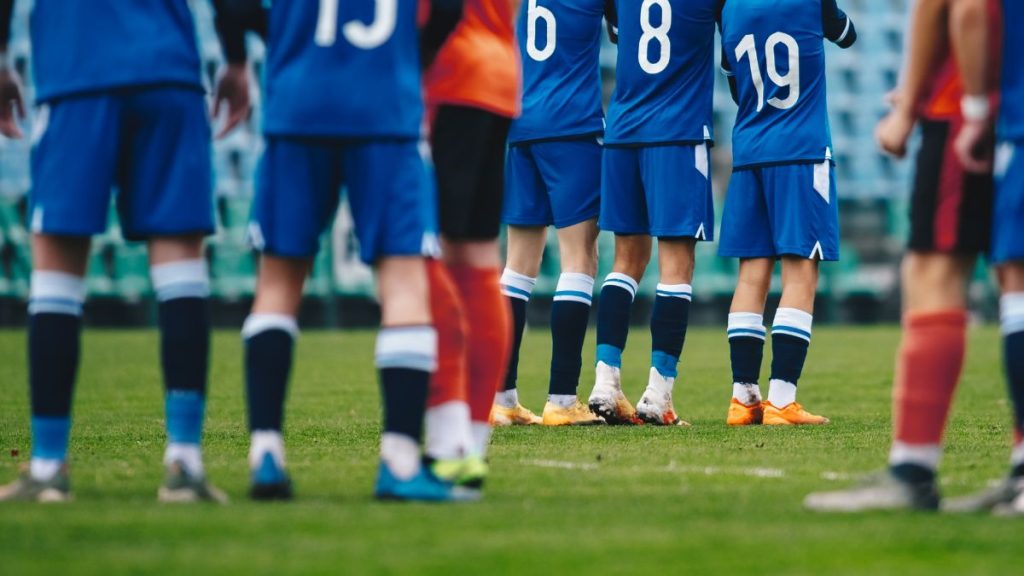
Europa League Format and Competition Structure in 2025
The 2025 edition of the UEFA Europa League is designed with a format that balances tradition and innovation, providing a structured yet flexible competition that accommodates both emerging clubs and seasoned European powerhouses. The tournament kicks off with a comprehensive qualifying phase, followed by a streamlined group stage and culminating in a tense knockout stage leading to the final.
Initially, a total of 32 teams enter the group stage, divided into eight groups of four. Group winners automatically advance to the Round of 16, while runners-up enter a playoff round facing teams descending from the UEFA Champions League third-placed groups. This integration ensures a high level of competition and maintains excitement throughout the stages.
The knockout rounds proceed through home-and-away legs, requiring teams to excel in tactical preparation and resilience. Matches are often decided on aggregate goals, with away goals rules phased out to promote fairness. In the event of a draw on aggregate, ties move to extra time and, if necessary, penalty shootouts, showcasing drama that captivates fans and players alike.
2025 sees the final hosted at the Aviva Stadium in Dublin—a venue steeped in history and vibrant football culture. This event not only crowns the champion but also grants the winner automatic qualification into the UEFA Champions League group stage, emphasizing the competition as a crucial pathway to Europe’s top club football echelon.
Key elements of the competition structure include:
- Qualifying rounds organized by UEFA coefficient rankings, determining entry stage of clubs.
- Group Stage comprising 32 teams, split in eight groups of four.
- Knockout phases beginning with playoffs for runners-up and Champions League dropouts.
- Two-legged ties deciding advancement through Round of 16, Quarterfinals, and Semifinals.
- Final hosted at a pre-designated stadium, promoting football culture and fan experience.
| Stage | Number of Teams | Format | Dates (2025) |
|---|---|---|---|
| Qualifying Rounds | Varies (Multiple rounds) | Knockout home-and-away | July – August |
| Group Stage | 32 | Round-robin, 8 groups of 4 | September – December |
| Knockout Playoffs | 16 (runners-up + CL dropouts) | Two-legged knockout | February |
| Round of 16 | 16 | Two-legged knockout | March |
| Quarterfinals | 8 | Two-legged knockout | April |
| Semifinals | 4 | Two-legged knockout | May (early) |
| Final | 2 | Single match | May (late) |
Such organization allows the Europa League to balance competitiveness and suspense, maintaining high standards and extensive coverage through partnerships, including media broadcasting and sponsorships from global brands like PlayStation and EA Sports, which also drive fan interaction in the digital realm.
Different Qualification Routes for the UEFA Europa League
The road to Europe’s second-tier club competition is multifaceted, offering clubs numerous avenues to secure their place in the UEFA Europa League. These pathways reflect both the sporting merit achieved domestically and UEFA’s broader vision to reward fair play and competitive spirit across all levels of European football.
The five primary qualification routes for the Europa League in 2025 include domestic cup triumphs, high league finishes, fair play rankings, winning the UEFA Europa Conference League, and success in UEFA’s premier competitions. Each path provides a unique perspective on European qualification criteria.
1. Domestic Cup Winners
Winning a respected domestic cup remains one of the most straightforward and prestigious ways to qualify. In nations such as England, Spain, Germany, and Italy, lifting the FA Cup, Copa del Rey, DFB-Pokal, or Coppa Italia respectively secures a club direct entry into the Europa League.
This path enhances the value of national cups, often an intense knockout tournament where smaller clubs face top-tier teams, creating memorable “giant-killing” moments. Not only does this pathway diversify the range of participants, but it also allows clubs outside the traditional league top finishers to earn European competition experience and potential commercial growth from exposure and sponsorship deals with iconic partners like Heineken and Adidas.
2. League Position Qualification
Among the most competitive routes is through the league table standings. Depending on UEFA’s country coefficients, top teams who do not qualify for the Champions League secure Europa League spots. For instance:
- In England’s Premier League, the 5th and sometimes 6th placed teams qualify for the Europa League.
- La Liga allocates places typically to the 5th position or cup runners-up.
- The Bundesliga grants spots to the teams finishing in certain high league positions.
This path incentivizes teams to maintain consistent league performance, making every match counting towards Europe qualification crucial, and often becoming a lifeline for clubs to attract star talent and lucrative sponsorship agreements, including contracts with global brands like Kia and Mazda.
3. Fair Play Ranking Qualification
UEFA also rewards sporting conduct through its Fair Play ranking, offering a unique chance for clubs demonstrating exemplary behavior on and off the pitch. This approach values respect, discipline, and community spirit, emphasizing the social responsibility within football.
Key points of the Fair Play route include:
- Teams with the highest disciplinary scores in their national leagues become eligible.
- Assessment includes player behavior, coaching conduct, and club officials’ management.
- This route promotes football values beyond pure performance, allowing clubs from smaller leagues to participate in European competition.
The Fair Play qualification exemplifies UEFA’s broader commitment to integrity, enhanced by partnerships with brands that promote fairness and unity in sport, such as MasterCard and Coca-Cola.
4. Winning the UEFA Europa Conference League
Introduced to supplement European football’s hierarchy, the UEFA Europa Conference League allows clubs from smaller or emerging leagues to compete at a continental level and potentially qualify for the Europa League by winning this tournament. Established recently, this pathway is designed to increase competitive balance and provide valuable international exposure.
The champions of the Europa Conference League gain direct entry to the subsequent Europa League, offering a tangible reward and encouraging clubs to invest in ambitious European campaigns. This route notably helps clubs increase their fan base, media coverage, and revenue, supported by UEFA’s commercial partnerships including Hublot, a renowned sponsor enhancing the tournament’s global appeal.
5. Champions League and Europa League Winners
Finally, champions of the top-tier UEFA Champions League and previous season’s Europa League automatically earn spots in the Europa League if they do not qualify for the next season’s Champions League group stage. This mechanism maintains the competitive quality of the Europa League and rewards clubs achieving European glory.
Such entries add significant prestige and challenge for regular Europa League participants, as champions bring experience and skill to the tournament. These teams often are among the favorites, elevating the standard of play and drawing global audience attention, especially in regions with active UEFA broadcasting rights including via TNT Sports and Paramount+.
| Qualification Route | Examples of Clubs or Scenarios | Impact on Club |
|---|---|---|
| Domestic Cup Winners | FA Cup winner, Copa del Rey winner | Immediate European spot and increased sponsorship value |
| League Positions | 5th place in Premier League, 5th in La Liga | Regular European access supports squad building |
| Fair Play Rankings | Teams with minimal bookings and positive conduct | Promotion of sportsmanship and alternative path to Europe |
| UEFA Europa Conference League Winners | Recent winners entering Europa League | New European experience and continental prestige |
| Champions League or Europa League Title Holders | Defending Europa League champions | Automatic entry and high-profile competition |
Teams face a multitude of options for securing Europa League participation, demanding strategic focus both on domestic and continental fronts. These opportunities elevate European football’s inclusivity and competitiveness.
Challenges and Opportunities for Clubs in the UEFA Europa League
Participating in the UEFA Europa League offers clubs an array of significant benefits but also introduces distinct challenges that require careful management. Teams navigating through this competition must balance ambitions across multiple fronts—domestic leagues, cup tournaments, and European fixtures.
One major challenge is the fixture congestion. Clubs involved in the Europa League often face a congested calendar, traveling across Europe on short notice, which demands rigorous squad rotation and depth. Without proper management, this can lead to fatigue, injuries, and dips in domestic form.
On the financial side, the costs associated with participation are considerable, including travel, accommodation, and logistical arrangements. However, UEFA’s prize money, sponsorship income, and increased broadcasting revenue help offset these expenditures. Clubs showcasing positive performances attract additional commercial partners; globally recognized brands like MasterCard and Heineken often leverage sponsorships within this competition for mutual benefits.
Participation also presents unique opportunities. For smaller or emerging clubs, it represents a platform to gain international exposure, attract new supporters, and enhance the club’s brand globally. Players benefit greatly from facing diverse tactical styles and higher intensity matches, aiding their development and career prospects.
Moreover, the Europa League facilitates fan engagement and travel experiences unmatched in domestic competitions, with supporters traveling to historic stadiums across Europe. This enhances club culture, fan loyalty, and overall player motivation, creating memories that transcend football.
Key factors clubs consider include:
- Squad depth and rotation capabilities to handle fixture congestion.
- Financial investment and revenue opportunities associated with European campaigns.
- Sporting prestige and player development experience from European competition.
- Brand exposure and sponsorship alignment through global partners like Adidas, PlayStation, and Coca-Cola.
- Fan engagement and global outreach via match travel and media coverage.
| Aspect | Benefit | Challenge |
|---|---|---|
| Fixture Congestion | Experience and depth testing | Player fatigue and injury risks |
| Financial Impact | Prize money and sponsorship income | Costs of travel and operations |
| Sporting Prestige | Development opportunities and visibility | Demanding tactical competition |
| Commercial Exposure | International audience and brand growth | Need to meet sponsor and media expectations |
| Fan Experience | Global community and memorable matches | Travel logistics and costs for supporters |
Despite the hurdles, the UEFA Europa League remains an essential stepping stone for clubs aspiring to cement their presence on the European scene, supported by UEFA’s careful structuring and strategic partnerships enhancing every facet of the competition.
How Global Sponsorships and Media Shape the Europa League Experience
The Europa League’s success extends beyond what happens on the pitch, driven powerfully by its commercial partnerships and broadcasting networks. UEFA’s collaboration with global brands creates a financially robust and widely accessible tournament.
Financial giants like MasterCard and Coca-Cola contribute to prize funds and activate fan engagement initiatives worldwide. Automotive companies such as Kia and Mazda boost the league’s image through sponsorship promotions and event activations. Fashion and sports brands like Adidas provide the essential technical gear and apparel worn by players, integrating technology and style in line with competitive demands.
Moreover, technology partners such as PlayStation and EA Sports have elevated fan interaction by integrating digital content, esports tournaments, and gaming experiences that replicate the tournament’s competitive spirit. These brands bridge traditional sports fandom with digital innovation.
Broadcasters play a crucial role in delivering live matches and highlight packages across continents. In 2025, UEFA Europa League games are available on major platforms such as TNT Sports in the UK, Paramount+ in the United States, and DAZN in Canada. The broad broadcasting reach ensures fans across the globe enjoy high-quality coverage with expert commentary and analysis, sustaining the tournament’s vibrant global following.
Major Europa League Sponsors and Broadcasters
- Adidas – Official equipment provider
- Heineken – Global beverage sponsor
- Coca-Cola – Fan and event activations
- MasterCard – Financial and consumer engagement campaigns
- Kia and Mazda – Automotive partnerships
- PlayStation and EA Sports – Digital and esports integration
- TNT Sports (UK), Paramount+ (USA), DAZN (Canada) – Broadcasting rights holders
| Brand/Network | Role | Contribution |
|---|---|---|
| Adidas | Technical sponsor | Provision of kits and official match balls |
| Heineken | Beverage sponsor | Marketing and fan engagement initiatives |
| Coca-Cola | Marketing and activations | Fan events and global promotions |
| MasterCard | Financial services sponsor | Payment technologies and fan contests |
| PlayStation / EA Sports | Digital and esports partners | Gaming content and virtual tournaments |
| TNT Sports / Paramount+ / DAZN | Broadcasting networks | Global live match coverage |
The synergy between UEFA and these commercial entities helps elevate the Europa League’s global stature, creating an ecosystem where sporting excellence meets fan-centric innovation. This dynamic contributes vastly to the growing viewership, commercial profits, and the league’s enduring relevance in global football culture.
Understanding UEFA Europa League Rules and Matchday Regulations
The governance of the Europa League is critical to its transparency, fairness, and smooth operation. UEFA has crafted a clear rulebook and matchday regulations to reflect the competition’s intense and varied nature.
Match scheduling aligns with UEFA’s European match calendar, often on Thursdays, ensuring coordination with domestic leagues and international events. The format’s knockout ties are played home and away, with aggregate scoring deciding progression. The now-abolished away goals rule means tied aggregates lead directly to extra time and potentially penalties.
Strict club licensing and financial fair play regulations apply at every stage, ensuring teams meet UEFA’s high standards in financial health, infrastructure, and administrative compliance. This framework protects the competition’s integrity, ensuring clubs remain viable and competitive.
Player eligibility rules include specific registration deadlines for the group and knockout phases. Teams must submit squad lists adhering to homegrown player quotas and anti-doping compliance. Disciplinary standards are rigorously enforced, with yellow and red card accumulations leading to suspensions, impacting tactical selection.

Key Matchday and Regulatory Highlights
- Matches mostly scheduled on Thursdays for consistency.
- Two-legged knockout ties decided by aggregate score with no away goals rule.
- Financial fair play and club licensing maintain competition integrity.
- Player registration and eligibility rules strictly enforced.
- Disciplinary regulations impact squad selection, emphasizing fair play.
| Rule/Regulation | Description |
|---|---|
| Match Days | Primarily Thursdays, with occasional exceptions |
| Away Goals Rule | Removed; ties level on aggregate go to extra time and penalties |
| Club Licensing | Financial, infrastructure, and administrative compliance required |
| Player Registration | Deadlines set for group and knockout stage squads with homegrown quota |
| Disciplinary Measures | Suspensions due to card accumulation and serious breaches |
Adherence to these rules is essential for a seamless competition, maintaining a level playing field. Participation of global brands like Hublot underscores the precision timing essential in the Europa League, with official match clocks and timing systems elevating professionalism.
Frequently Asked Questions About the UEFA Europa League
- Q: How many teams qualify directly for the Europa League group stage?
A: Usually, 32 teams enter the group stage directly or via qualifying rounds, depending on the UEFA coefficients and domestic qualifications. - Q: Can a club qualify for the Europa League by winning the Europa Conference League?
A: Yes, the winner of the UEFA Europa Conference League qualifies automatically for the next season’s Europa League group stage. - Q: Is the away goals rule still applied in the Europa League?
A: No, the away goals rule was abolished; tied aggregates now lead to extra time and penalties if needed. - Q: Which sponsors are officially partnered with the UEFA Europa League?
A: Key partners include Adidas, Heineken, Coca-Cola, Mazda, PlayStation, Hublot, MasterCard, EA Sports, and Kia. - Q: Where can I watch the Europa League games live?
A: Coverage is available globally via broadcasters such as TNT Sports (UK), Paramount+ (USA), and DAZN (Canada), among others.