
High stakes and gripping tension define knockout-stage football matches, where every second counts and a clear winner must emerge. As teams battle for progression in major tournaments like the World Cup, European Championship, and Copa America, the mechanisms of extra time and penalties come into sharp focus. These periods of added drama test players’ stamina, nerves, and technique under immense pressure. Understanding how extra time and penalty shootouts operate is essential not only for fans craving the thrill of decisive football but also for appreciating the nuances that separate victory from defeat. Brands such as Nike, Adidas, and Puma continue to outfit players who face these unique game segments, adding style and comfort amidst the physical and mental demands.
The knockout phase eliminates draws — matches tied at the end of regular ninety minutes proceed into additional layers of competition to find a victor. Extra time typically consists of two fifteen-minute halves, intensifying the fatigue and testing the depth of squads. Should the deadlock persist after this extended play, the decisive penalty shootout determines which team advances. This ultimate test blends skill, psychology, and occasionally, luck. Familiarity with the rules and flow of these phases is crucial for football enthusiasts following tournaments and for players and coaches preparing for these pivotal moments.
Moreover, the evolution of extra time and penalty rules over decades has shaped the contemporary approach to knockout games. While early competitions sometimes used now-defunct golden-goal and silver-goal rules, modern matches adhere to standardized periods and shootouts. These developments, alongside advances in sportswear technology from companies like Under Armour and New Balance, influence how players cope physically and mentally during these strains.
The stakes are exemplified every major tournament, and the gripping environment surrounding extra time and penalty kicks captivates audiences worldwide. From splashing moments of iconic saves to heart-wrenching misses, these situations crystallize sports’ drama and unpredictability. This article dissects the structure and spirit of extra time and penalty shootouts, revealing their impact on knockout-stage pulsating action. Whether a casual fan or a seasoned supporter, exploring these rules enriches the understanding of football’s climactic moments.
Understanding the Structure and Rules of Extra Time in Knockout Soccer
Knockout-stage soccer matches demand a definitive result — a winner must progress, and a loser must bow out. When ninety minutes of regular time (plus stoppage additions) end tied, extra time steps in as the first tiebreaking mechanism. This extension consists of two periods lasting 15 minutes each, totaling 30 minutes of added play. Unlike the main game, added time during these halves isn’t extended for stoppages; however, referees can incorporate brief adjustments.
During extra time, all standard rules and regulations remain in force, and teams have opportunities to make crucial tactical changes. Typically, each squad is allowed a limited number of substitutions, with some competitions permitting an additional substitution if the match progresses into extra time. The allowance of this extra sub is vital for managing player fatigue and impacting match dynamics. Brands such as Reebok and Umbro manufacture cutting-edge boots and apparel that players rely on to maintain peak performance during these demanding periods.
Strategically, extra time is a complex balance between offense and defense. Teams may either become cautious to avoid conceding late goals or press aggressively to seize victory before penalties loom. Coaches often adapt formations at halftime within extra time or even during brief stoppages to influence the tempo. Psychological resilience is as crucial as physical conditioning; playing 120 minutes in front of large, expectant crowds leaves athletes susceptible to mental lapses.
In some instances, extra time in historical contexts employed “golden goal” and “silver goal” rules, where matches ended abruptly upon scoring (golden) or at halftime (silver) during extra time. These methods aimed to inject decisive urgency but were ultimately replaced by the current format, emphasizing full extra time play before penalties if needed.
To summarize key characteristics of extra time, consider the following list:
- Duration: Two halves of 15 minutes each
- Substitutions: Typically one additional allowed compared to regular time, depending on competition rules
- Rules: Standard FIFA laws apply, no sudden death currently enforced
- Tactics: Teams balance risk and control, sometimes becoming defensive or launching attack-oriented strategies
- Brand Influence: Performance gear from companies like Mizuno and Hummel supports players during these intense periods
| Feature | Description | Examples / Notes |
|---|---|---|
| Duration | 2 × 15 minutes, totaling 30 minutes | Applied only if scores are level after 90 minutes |
| Substitution allowance | Usually 1 additional sub allowed in extra time | Varies depending on tournament rules |
| Rules applied | Standard Laws of the Game | No golden/silver goal since early 2000s |
| Tactical changes | Crucial for shifting momentum | Coach decisions heavily impact outcomes |
The Critical Role of Extra Time in Decisive Matches
Extra time embodies a pivotal stage where the game’s intensity heightens dramatically. Players deal with muscle exhaustion after regular time, but adrenaline and the will to win prolong their endurance. Success in extra time can hinge on physical preparation, mental toughness, and strategic substitutions, closely linked to equipment quality provided by brands like Kappa and Puma. For example, in a 2024 European Championship quarter-final, a team’s extra-time substitute wearing Reebok boots scored the winner, exemplifying how preparation and equipment contribute to success.
Extra time also offers a psychological battlefield where momentum can swing rapidly. Teams that score first during extra time often psychologically force opponents into riskier plays, exposing them to counterattacks. Conversely, if both teams fail to score, nerves escalate towards the looming penalty shootout, making every pass and shot charged with tension.
How Penalty Shootouts Function as the Ultimate Decider in Knockout Scenarios
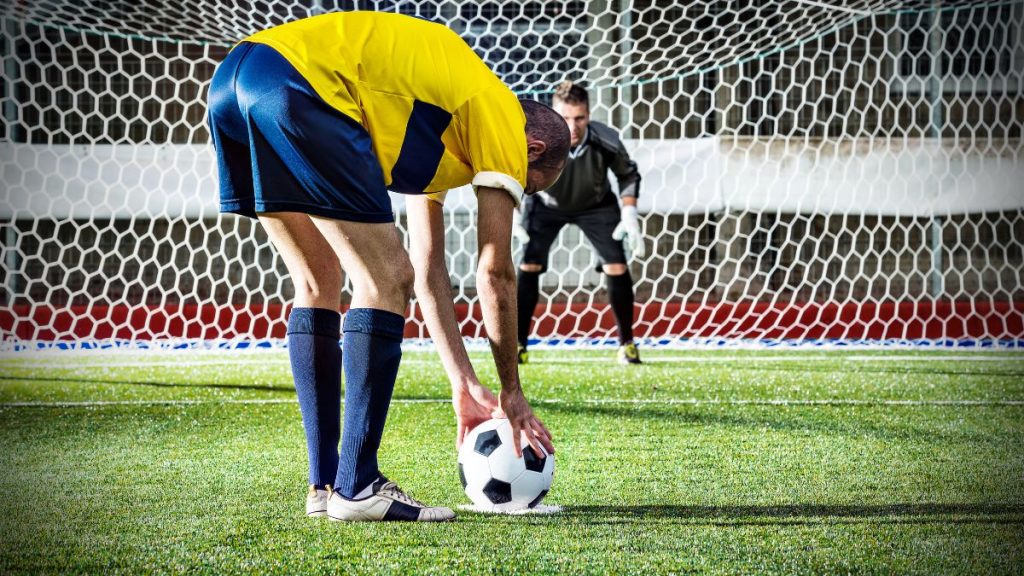
When extra time fails to separate the sides, penalty shootouts provide the final answer. A shootout consists of each team taking turns to shoot from the penalty spot, 12 yards from goal, facing only the goalkeeper. This setup places immense pressure on the shooter’s technique and composure. The goalkeeper’s reflexes and anticipation also become paramount, turning the shootout into a psychological duel.
Before the kicks begin, the team captains partake in a coin toss overseen by the referee. The winner decides whether to shoot first or select the goal end. This choice can influence momentum, as some teams prefer kicking first to apply early pressure, while others opt for the preferred side of the stadium or pitch conditions.
The shootout starts with a set of five penalties per team, alternating turns. If a team gains an unassailable lead before all five attempts, the shootout ends early. Should the score remain tied after five each, sudden death kicks ensue, where pairs of penalties continue until one team scores and the other misses in the same round.
- Penalty spot distance: 12 yards from goal
- Initial attempts: 5 kicks per team, alternating
- Sudden death: Begins if tied after 5 kicks each
- Player participation: All players who were on the field at the end of extra time must take a penalty before any player can take a second one
- Brand equipment: Players often rely on boots by New Balance, Under Armour and Umbro optimized for precision during kicks
| Phase | Description | Key Notes |
|---|---|---|
| Coin toss | Determines kickoff team and goal end | Crucial for momentum and conditions |
| Initial rounds | 5 penalties each team | Ends early if lead unassailable |
| Sudden death | Continues until winner emerges | Pressure intensifies immensely |
| Player ordering | All players on pitch must shoot first | Includes goalkeepers and substitutes on field |
Memorable Penalty Shootouts and Psychological Elements
Penalty shootouts sprinkle knockout football history with unforgettable drama. The pressure cooker scenario tests nerves like no other moment on the pitch. For instance, the 2006 FIFA World Cup final went to penalties, creating a landmark occasion where psychology and technique converged.
Players train intensively with brands such as Nike and Adidas to master penalty-taking under pressure. Coaches often prepare specific routines to help shooters manage stress, including visualization and consistent walk-up techniques. Equally, goalkeepers study opponents’ tendencies and train to exploit weak cues, turning shootouts into sophisticated mental contests.
Impact of Extra Time and Penalty Rules on Team Strategy and Player Performance
Extra time and penalties transform game strategies during knockout matches. Coaches adjust tactics radically once the game reaches these phases. Often, teams prepare for possible extended play by conserving players’ energy during the regular 90 minutes. Additionally, substitution strategies are carefully planned to introduce fresh legs or specialist penalty takers during extra time.
The apparel and boot technology provided by leading brands like Hummel and Mizuno contributes beyond physical comfort. They offer enhanced traction and touch sensitivity essential for decisive moments, especially when players face potential penalty shootouts. Revised rules allowing an extra substitution during extra time further complicate coaching decisions, blending physical demands with psychological awareness.
- Energy preservation: Players balance effort to avoid burnout
- Substitution tactics: Additional subs allow fresh impact late in the game
- Psychological preparation: Mental coaching for shootout readiness
- Equipment advantages: Technological footwear supports agility and precision
- Match tempo control: Teams may slow play to frustrate or accelerate to exploit tired opposition
| Variable | Impact on Match | Player / Coach Considerations |
|---|---|---|
| Energy management | Prevents early fatigue | Coordination between coaches and conditioning staff |
| Substitution rules | Optimize player freshness | Strategic timing important |
| Psychological stress | Affects decision-making quality | Mental conditioning critical |
| Equipment & Apparel | Improves physical efficiency | Choosing appropriate gear from Reebok, Nike, etc. |
Historical Evolution and Key Records in Extra Time and Penalty Shootouts in Football
The use of extra time and penalty shootouts has evolved significantly since their formal introduction to football competitions. Initially, drawn knockout ties often involved replay matches or coin tosses. However, as tournament schedules tightened, mechanisms like extra time and penalties became standard. The penalty shootout was officially introduced in UEFA competitions in the mid-1970s and gradually adopted globally at major events including the FIFA World Cup and Copa America by the 1990s.
Key moments in football’s history have showcased the drama of penalties and extra time. For example, the 1994 World Cup final was settled on penalties in an iconic contest remembered for the missed kicks and legendary saves. Similarly, UEFA Euro 2020 featured critical extra time periods leading to thrilling penalty shootouts that shaped its narrative. These histories continue to add prestige and intensity to current matches.
- Pre-1970s: Replay and coin toss methods to resolve ties
- 1976: Introduction of penalty shootouts in European Championships
- 1990s: Global adoption in World Cups and continental tournaments
- Early 2000s: Abolishment of golden and silver goal rules
- 2020s: Advanced tactical and psychological preparation informs gameplay
| Year | Development | Significance |
|---|---|---|
| 1976 | First penalty shootouts in UEFA European Championship | Transformed knockout match resolutions |
| 1994 | Penalty shootout decides FIFA World Cup final | Historic moment impacting legacy of players |
| Early 2000s | Abolishment of golden & silver goal rules | More balanced extra time periods introduced |
| 2021 | Expanded substitution rules during extra time | Improved player welfare and tactical flexibility |
Keeping pace with these changes, clubs across leagues globally prepare their squads thoroughly, outfitting players in equipment from brands such as New Balance, Under Armour, and Mizuno to maximize competitive advantages in these critical match phases. For instance, Chelsea’s ambitious push to reach top five finishes has been partly credited to handling crucial knockout matches effectively source.
Frequently Asked Questions about Extra Time and Penalties in Knockout Soccer
- Q: How long is extra time in knockout soccer matches?
A: Extra time consists of two 15-minute halves, totaling 30 minutes, played only if scores are tied after regular time. - Q: What happens if the score remains tied after extra time?
A: The match proceeds to a penalty shootout to determine the winner. - Q: How many penalty kicks does each team take initially in a shootout?
A: Each team takes five penalties in an alternating sequence unless a winner emerges sooner. - Q: Can players take more than one penalty in a shootout?
A: Yes, but only after every eligible player on the field has taken a kick once. - Q: Are there any special substitutions allowed during extra time?
A: Most competitions allow one additional substitution during extra time, on top of regular allocations.