
In the dynamic world of football, few innovations have sparked as much debate and transformation as the Video Assistant Referee (VAR). Since its introduction, VAR has revolutionized decision-making processes on the pitch, offering a technological layer designed to support referees in delivering fairer, more accurate outcomes in real-time. The system’s integration in top-tier leagues and international tournaments, orchestrated under the scrutiny of governing bodies like FIFA and UEFA, leverages cutting-edge advancements from industry leaders such as Hawk-Eye and Zebra Technologies. This blend of technology and tradition seeks to uphold the integrity of football, yet it simultaneously challenges the sport’s fluidity and emotional rhythm.
VAR’s role spans from verifying goals and penalty decisions to managing red card incidents and correcting mistaken identity, fundamentally altering the nature of referee judgments. However, despite the technological sophistication provided by high-definition Cameras and intricate Sports Analytics provided by companies like CricViz and Stats Perform, controversies remain rampant. From prolonged delays to subjective interpretations, the interaction between human referees and video evidence continues to provoke intense discussions among fans, players, and pundits alike.
As we delve deeper, the story of VAR unfolds through its technological framework, the practical mechanics behind real match-time decisions, the advantages it brings to football’s ethical standards, and the perennial controversies that question its place in the beautiful game. Alongside an overview of the future of this technology, this exploration presents a comprehensive perspective on how VAR is shaping football in 2025.

How VAR Technology Operates in Football: Tools and Processes Behind the Scenes
At its core, VAR represents a sophisticated overlay of multiple technologies working in harmony to assist referees during crucial moments of a football match. Central to its operation are high-speed Cameras strategically placed around stadiums, facilitating multi-angle coverage that captures every nuance of play. These visuals are transmitted instantly to a central VAR operation room where a team of trained officials analyzes the footage in real-time.
The process is supported heavily by tools developed by industry leaders like Hawk-Eye, renowned for their goal-line technology and precision tracking innovations. Zebra Technologies complements these with state-of-the-art player and ball tracking systems, providing refined positional data critical for offside rulings and other fine margins. Advanced Sports Analytics firms such as CricViz and Stats Perform enhance this setup by integrating performance data and situational insights, allowing VAR operators to contextualize decisions beyond mere video replays.
VAR focuses explicitly on four categories of reviewable events:
- Goals and offences leading up to them: To verify if infractions like offsides or fouls compromised the validity of a goal.
- Penalty decisions: To ensure fair adjudication on penalties awarded or denied.
- Direct red card incidents: To assess the severity and correctness of dismissal decisions.
- Mistaken identity: Confirming that penalties or cards are issued to the correct players.
This specificity allows for focused interventions, aiming to correct clear and obvious errors without disrupting the natural progression of the game more than necessary. Communication between the VAR team and the on-field referee uses robust wireless headsets, ensuring swift dialogue and collaboration.
Implementing VAR necessitates not only technological readiness but also a meticulous procedural framework. For instance, when the VAR team identifies a possible error, they relay this to the on-field referee, who then reviews the footage on a sideline monitor before making a final call. This dual-layer interaction preserves the referee’s authority while incorporating technological validation, striving for balanced and fair decision-making.
| Component | Function | Technology Provider |
|---|---|---|
| High-Speed Cameras | Capture multiple angles of match events in real-time | Zebra Technologies, Hawk-Eye |
| Goal-Line Technology | Determines whether the ball has crossed the line fully | Hawk-Eye |
| Video Review Room | Hosts VAR officials who analyze footage and communicate with referees | FIFA Standards |
| Sports Analytics Integration | Provides contextual and performance data for enhanced decision guidance | CricViz, Stats Perform |
- Instant video feeds ensure minimal delay in review
- Systematic categorization of reviewable incidents maintains game flow
- Collaboration between VAR team and referee preserves refereeing spirit
- Technological data supports higher accuracy in critical decisions
- Continuous upgrading of systems in response to feedback maintains effectiveness
For football enthusiasts eager to stay updated with live match outcomes and VAR decisions, resources like The Live Football App’s guide to live scores provide essential real-time updates that integrate VAR verdicts with match progression.
Unpacking VAR’s Role in Ensuring Fairness and Precision on the Football Field
Since its formal debut at the 2018 FIFA World Cup in Russia, VAR has evolved into a fundamental element in the pursuit of fairness across football competitions worldwide. FIFA and UEFA have championed VAR’s deployment across major leagues such as the English Premier League, Serie A, Bundesliga, and La Liga, recognizing its potential to mitigate human error — an integral concern in high-stakes matches.
By scrutinizing match-critical moments, VAR has led to measurable improvements in the accuracy of referee decisions, enhancing the game’s competitive integrity. Consider the historical statistics where FIFA reported a rise in decision accuracy to approximately 99.3% in tournaments utilizing VAR, compared to about 95% pre-VAR implementation.
VAR’s influence extends beyond pure accuracy; it shapes the very conduct of players and coaching strategies. Knowing that every critical incident is subject to video review, teams now exercise greater discipline, reducing unsporting behaviors like diving, simulation, or overly aggressive challenges. This aligns with the broader goals of refereeing bodies to boost sportsmanship and reduce instances of foul play.
Furthermore, VAR contributes to uniformity across competitions by applying consistent review standards managed by trained officials following FIFA protocols. This consistency counters the discrepancies of subjective human judgment, especially when decisions are prone to interpretation, such as handball calls or tackles’ severity.
Below is a representation of VAR’s considerable impact on gameplay fairness and strategic team behavior:
| Impact Area | Before VAR | After VAR |
|---|---|---|
| Decision accuracy in key plays | ~95% | ~99.3% |
| Penalty and red card accuracy | Often questioned | Significantly improved |
| Player sportsmanship | Mixed levels, higher unsportsmanlike conduct | Reduced fouls and simulations |
| Disputes and appeals | Frequent post-match controversy | Lowered but still present |
In addition to fostering fairness, VAR’s systematic approach aids referees by offering a technological safety net, reducing pressure during critical decisions. The ability to consult multiple angles and slow-motion replays gives referees more confidence in their calls, balancing human judgment with objective evidence.
Football fans interested in comprehensive analyses of matches enhanced by VAR can explore reports and streaming options at The Live Football App’s recommendations for best football live streaming, where expert commentary often references key VAR moments.
Controversies Surrounding VAR: Challenges and Criticisms in Modern Football
Despite undeniable benefits, VAR has not escaped criticism. Its challenges often stem from disruptions to the game’s flow, interpretative differences, and inconsistent application.
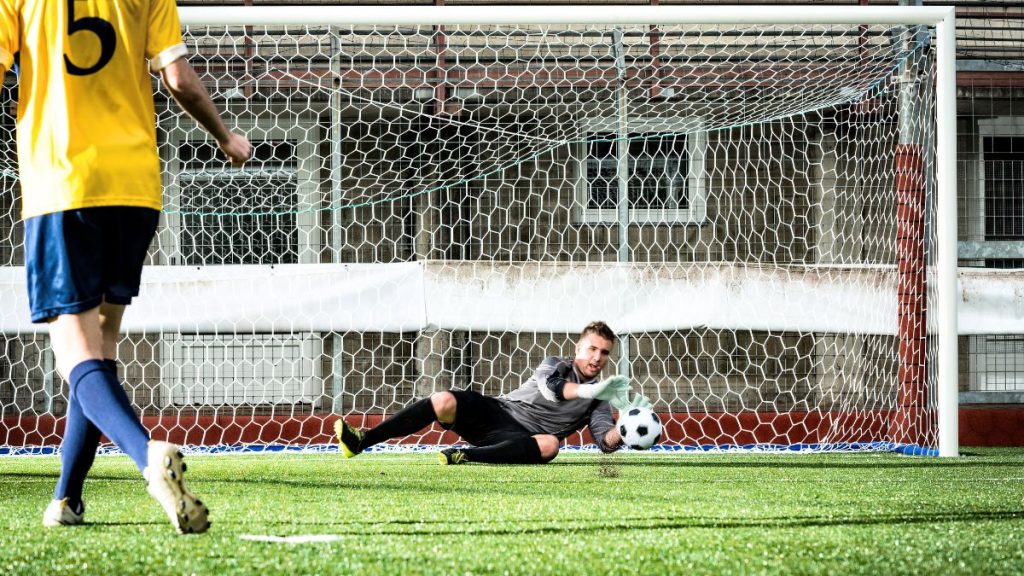
One of the primary grievances involves the time-consuming nature of reviews. Delays caused by VAR interventions interrupt the natural rhythm of the contest, sometimes leading to lengthy pauses that frustrate players and spectators alike. Fans at stadiums and those watching broadcasts often experience tension during these suspenseful moments, as seen notably in high-profile fixtures like the Tottenham vs Liverpool match, where penalty decision delays materially affected match momentum.
The subjective element of some decisions also persists. For example, handball situations and foul severity remain divisive, as there is often no “clear and obvious error” to universally agree upon. These grey areas fuel debates about whether VAR truly resolves issues or simply relocates them.
Another flashpoint is the technical limitations of camera angles and precision. Excessively marginal offside decisions, sometimes determined by minuscule parts of a player’s body, are perceived by many as undermining the spirit of attacking football. An illustrative example emerged in the Manchester United vs Coventry game, where a tiny offside led to a disallowed goal, igniting passionate reactions questioning the balance between technology and tradition.
In contrast, instances like the Newcastle United vs Arsenal match, where VAR failed to intervene despite the ball clearly going out prior to a match-altering goal, expose flaws in the system’s consistency.
Below is a summary of key controversies related to VAR implementation:
| Controversy | Explanation | Impact on Fans and Players |
|---|---|---|
| Game flow disruption | Delayed decisions interrupt match momentum | Frustration, loss of excitement |
| Subjective decisions | Interpretations differ on fouls and handballs | Confusion and dissatisfaction |
| Marginal offsides | Minute body part positioning triggers offside rulings | Debate over fairness and spirit of attacking play |
| Inconsistent interventions | Missed reviews or no action in clear incidents | Questions about effectiveness and trustworthiness |
- Delays in call confirmation impact game tempo
- Varying interpretations lead to inconsistent referee VAR reliance
- Fans’ emotional engagement can suffer from excessive technicality
- Continued debates stress need for clear, unified guidelines
- Calls for technological upgrades to reduce human variance
Keeping up with these latest debates, fans can visit platforms like The Live Football App’s uncovering of football streaming secrets, offering insights into how technology interfaces with football tradition and fan experience.
Integrating VAR with Football’s Tradition: Effects on Players, Fans, and Referees
The introduction of VAR has profoundly influenced the stakeholders of football, reshaping expectations and experiences across players, fans, and officials.
Players
With VAR scrutinizing every critical play, player behavior has adjusted significantly. Tackles are cleaner, and simulations have decreased as the deterrent of video evidence grows stronger. Teams approach tactical discipline more rigorously, knowing any misdemeanors are liable to be caught and penalized.
Referees
For referees, VAR offers a dual-edged sword. While it acts as a valuable aide for tough decisions, it also places referees under greater spotlight and pressure, as every call is subject to review and possible critique. This dynamic pushes officials to harmonize traditional on-field judgment with technological support, ensuring decisions resonate with both fairness and flow.
Fans
Fan reactions remain polarized. Some appreciate VAR’s contribution to fairness and correctness, while others lament its interruption to the match’s spontaneity and emotional highs. The balance between appreciating technological insights and maintaining football’s excitement is delicate.
- Players adopt more disciplined and fair play tactics
- Referees gain technological backing but face amplified scrutiny
- Fans demand a smoother integration to avoid prolonged pauses
- Clubs invest in understanding VAR for competitive advantage
- Football culture adapts to embrace transparency and accountability
Staying informed about how these shifts manifest in real-time is easy with resources like The Live Football App’s tips for live football stadium experiences, where VAR’s impact on atmosphere and game flow is frequently discussed among enthusiasts.
Future Prospects of VAR: Innovations, Improvements, and Expanding Roles in Football
Looking ahead, VAR technology is on course for further refinement and integration. Innovations such as Artificial Intelligence promise to accelerate decision-making by automating detection of infringements, thus trimming down stoppage times. Enhanced Cameras with higher frame rates and augmented reality overlays could allow fans and referees alike to visualize offside lines and foul zones live, making the process more transparent and engaging.
Other avenues include expanding VAR’s application into women’s football, youth leagues, and lower divisions, democratizing access to fair officiating globally. Continuous feedback channels from FIFA, UEFA, players, teams, and fans fuel iterative enhancements in system design and operational protocols.
Key future developments might involve:
- Integration of AI and machine learning: For faster flagging of fouls and offsides.
- Improved communication systems: Allowing seamless interaction among VAR teams and referees.
- Advanced visualization techniques: AR and VR for immersive decision explanations.
- Broader application: Adoption in grassroots and youth football to promote fairness early.
- Enhanced fan engagement: Real-time graphical insights broadcast during matches.
| Future Innovation | Expected Benefit | Stakeholder Impact |
|---|---|---|
| AI-assisted decision-making | Minimize review time and human error | Faster, more accurate calls for referees and fans |
| Augmented Reality overlays | Visual clarity on fouls and offsides | Improved understanding among spectators and players |
| Expanded VAR usage in youth leagues | Fairer play development from grassroots up | Positive cultural and ethical impact on future generations |
| Advanced communication networks | Reduce miscommunication and delays | Smoother operation during matches |
| Enhanced Sports Analytics integration | Context-rich decisions and performance feedback | More strategic insights for teams and broadcasters |
Those intrigued by the evolving technological landscape of football and VAR are encouraged to explore streaming insights and updates through sources such as The Live Football App’s guide to the best football streaming apps, ensuring fans never miss a key VAR moment.
Frequently Asked Questions about VAR in Football
- What types of incidents does VAR review?
VAR focuses on four key decision types: goal legitimacy including preceding offences, penalty awards, direct red card incidents, and mistaken player identity regarding matches and disciplinary actions. - Does VAR disrupt the flow of football matches?
VAR reviews introduce some stoppages; however, these pauses are usually brief and essential for accuracy. Additional time is added at half and full-time to compensate for these delays. - Who makes the final decision during a VAR review?
The on-field referee retains ultimate authority. VAR officials advise and highlight potential errors but do not make final calls, which involves collaboration to uphold referee discretion. - Are all referee decisions subject to VAR review?
No. VAR is restricted to a limited set of situations such as goals, penalties, direct red cards, and mistaken identity to prevent overuse and maintain game flow. - How is VAR expected to evolve in coming years?
Developments include faster AI-assisted decisions, improved visualization with AR, broader rollout in grassroots football, and expanded analytics integration to enhance the referee decision-making process and fan understanding.