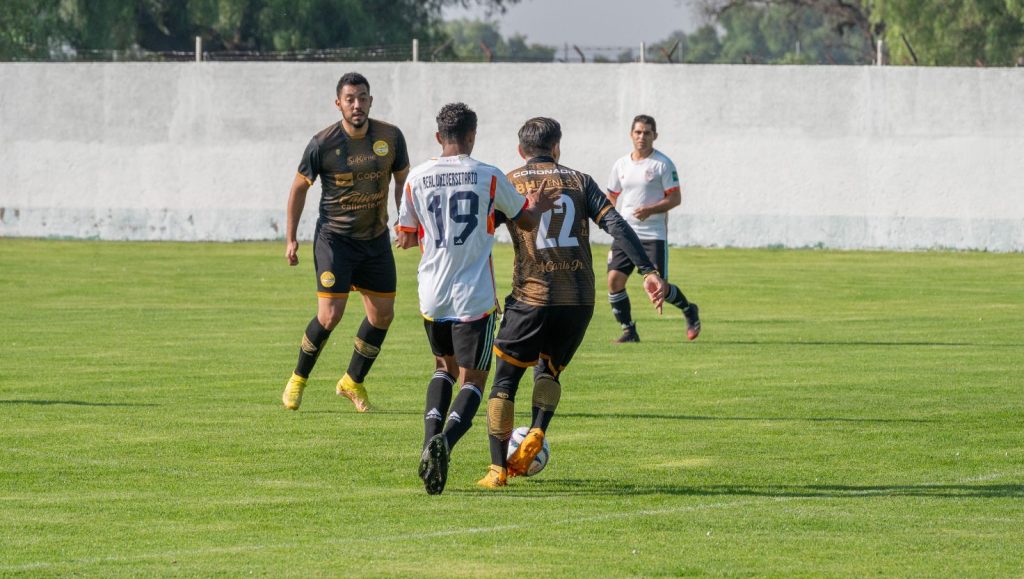
Football has always been a sport where every second, every movement, and every decision can make the difference between victory and defeat. Yet, beneath the surface of this high-octane game lies a pressing challenge: keeping players fit, healthy, and on the field. With the intense physical demands and the ever-crowded football calendar, injuries have become a central issue for clubs and athletes alike. However, the rise of live data and cutting-edge technology is dramatically transforming how football injuries are monitored, prevented, and treated, ushering in a new era of precision, efficiency, and player care. From GPS tracking to AI-driven analytics, the sport’s recovery game is evolving fast, rewriting the rules on what’s possible in player rehabilitation and longevity.
- Understanding the Role of Real-Time Data in Football Injury Prevention
- Advanced Technologies Revolutionizing Player Monitoring and Recovery Protocols
- Integrating AI and Biomarkers for Tailored Rehabilitation Approaches
- Innovative Tracking Systems and Wearables in Managing Player Loads
- Long-Term Benefits of Data-Driven Recovery on Player Career Longevity

Understanding the Role of Real-Time Data in Football Injury Prevention
In football, the risk of injury is high, fuelled by factors such as physical collisions, overuse, and fatigue. Teams have begun embracing real-time data capture to gain unprecedented insight into players’ health and physical stressors. With the integration of platforms like GPSports, Catapult Sports, and PlayerTek, clubs can now track key metrics live, such as speed, sprint frequency, heart rate variability, and movement patterns. Monitoring these indicators during training sessions and matches helps identify early signs of fatigue or strain.
For instance, a player’s reduced sprint load or slower reaction times mid-game can prompt coaching staff to adjust workloads or initiate recovery strategies immediately. This live tracking prevents minor issues from escalating into severe injuries by enabling swift intervention. These technologies provide a multidimensional view of athletic performance that goes far beyond traditional observation. Clubs can manage player workloads over the entire season more prudently, mitigating risks that come from congested fixtures.
Additionally, the advent of Next Gen Stats and the incorporation of sensor data from companies like Zebra Technologies allow for detailed biomechanical assessments in real time. Such data is pivotal in identifying hazardous movement patterns, exposing vulnerabilities before an injury occurs. By comparing historical data to current output, performance drops that indicate possible physical or mental fatigue become clear, aiding medical teams to tailor interventions efficiently.
- Live monitoring of velocity, acceleration, and distance covered during play
- Real-time heart rate and oxygen consumption metrics to gauge player exertion
- Accelerated detection of irregular movement signaling potential injury
- Integration of biometrics with historical injury data to personalize prevention plans
| Technology | Primary Metrics | Impact on Injury Prevention |
|---|---|---|
| GPSports | Positioning, Speed, Distance | Identifies overload conditions and fatigue patterns |
| Catapult Sports | Acceleration, Sprint Count, Workload | Enables workload management to reduce overtraining |
| Zebra Technologies | Biomechanical Movement, Impact Tracking | Highlights risky play styles and impact forces |
| PlayerTek | Speed, Distance, Heart Rate | Provides insights for progressive training adaptation |
Clubs paying attention to this novel data ecosystem are seeing not only diminished rates of muscle strains and impact injuries but also an enhanced ability to prepare players mentally and physically for the rigors of the season. To dive even deeper into live football dynamics and broadcast innovations, exploring resources such as live football blogs and football live stats can offer fresh perspectives on integrating data in today’s game.
Advanced Technologies Revolutionizing Player Monitoring and Recovery Protocols
The shift towards data-driven player monitoring is reshaping recovery programs profoundly, aided by a spectrum of technology providers from Whoop to IBM Watson. Wearable devices today not only track physical activity but also delve into physiological markers such as heart rate variability, respiratory rate, and sleep quality, all vital to understanding an athlete’s readiness. As a result, recovery strategies become more bespoke and scientifically grounded.
For example, Whoop devices collect continuous biometric data that can uncover subtle signs of stress or under-recovery. This insight empowers coaches to prescribe optimal rest periods or modify training intensity, effectively preventing injuries linked to overtraining. Similarly, cloud-based platforms powered by IBM Watson use machine learning algorithms to analyze vast data sets from wearables, medical screenings, and performance metrics, translating them into actionable recommendations.
These recommendations feed into club-specific protocols often overseen by experts like sports scientists, sleep coaches, and nutritionists, whose combined data inputs foster a holistic approach to player health. In a demanding football calendar, where recovery windows are limited, such efficiency is game-changing. Additionally, recovery devices link up with platforms such as STATS Perform and KINEXON that aggregate data streams to detect deviations from normal recovery patterns.
- Biometric wearable sensors monitor hydration, fatigue, and recovery in real time
- AI-driven platforms analyze complex datasets for injury risk indicators
- Integration with nutrition and sleep data enhances injury prevention strategies
- Immediate feedback loop to adjust training and recovery plans dynamically
| Technology | Data Monitored | Contribution to Recovery |
|---|---|---|
| Whoop | Heart rate variability, Sleep duration, Respiratory rate | Alerts for fatigue and readiness, guides rest periods |
| IBM Watson | Multidimensional health data, Injury history | Predictive analytics for injury risk and rehab progression |
| STATS Perform | Performance and biometric stats integration | Real-time monitoring to inform coaching decisions |
| KINEXON | Player position, Distance, Load metrics | Load balancing to prevent overuse injuries |
These technologies have extended well beyond mere diagnostics. Clubs like those in the NFL employ sensor-embedded mouthguards, leveraging kinematic data for early concussion detection—the game’s most serious injury risk. The impact forces recorded can instantly alert staff to moments in the game that demand medical evaluation. This direct link between live data and immediate medical intervention is transforming player safety standards.
To learn how live data enhances football viewing and fan understanding, engaging with platforms that specialize in streaming and live stats analysis, such as The Live Football App, delivers behind-the-scenes perspectives on the interplay between live performance and data surveillance.
Integrating AI and Biomarkers for Tailored Rehabilitation Approaches
The integration of artificial intelligence into football injury recovery is not just enhancing injury prevention but revolutionizing the rehabilitation process itself. Players undergoing rehabilitation are no longer guided solely by generic protocols. Instead, AI systems from providers like Zone7 combine vast datasets — including prior injury history, biomarker analysis, and real-time movement data — to tailor rehab programs specifically to individual players’ needs.
Biomarkers, typically obtained through blood or urine tests, signal inflammation levels, immune response, and muscle fatigue. By embedding these biological markers into AI-driven platforms, clubs develop a dynamic understanding of how a player’s body is coping with the stress of rehabilitation. This means training loads and therapeutic interventions can be adapted daily, steering clear of setbacks or reinjury.
Such tailored care is vital because each injury and athlete respond differently. A player recovering from an ACL tear may have a distinct loading capacity compared to one recovering from a muscle strain. AI’s ability to predict when an athlete is nearing readiness to return to play, using integrated datasets, is elevating safety margins significantly.
- Use of blood and urine markers to assess biological recovery status
- AI systems identifying personalized injury risk thresholds for players
- Dynamic adaptation of rehab protocols based on real-time biomarker data
- Predictions on optimal return-to-play timing minimizing reinjury risk
| AI Platform | Used Biomarkers | Role in Recovery |
|---|---|---|
| Zone7 | Inflammatory markers, Muscle fatigue indicators | Personalized recovery flags, injury likelihood analysis |
| Orreco | Immunological response, Metabolic stress markers | Early warning system for overtraining and reinjury |
These platforms assert that injury prediction is not an exact science but a probabilistic warning system that helps medical teams manage risk better. For example, a flagged biomarker alert might prompt restrictions in training intensity or enforced rest days, even when players feel ready to perform. This coupling of physiology and data intelligence respects both the complexity of human biology and the tactical demands of competitive football.
For enthusiasts and professionals curious about the latest developments bridging data, recovery, and football culture, delving into The Live Football App broadcasting guide offers insights into how these innovations impact both player performance and fan experience today.
Innovative Tracking Systems and Wearables in Managing Player Loads
The management of player workload is critical in preventing injuries caused by overexertion and fatigue, particularly with modern football’s intense schedules. Advanced tracking technologies from companies like GPSports, KINEXON, and STATS Perform have become instrumental tools for coaching and medical staff.
These systems capture granular data points such as acceleration, deceleration, distance covered, and positional heatmaps. Wearables worn during training and matches provide continuous streams of data interpreted via sophisticated algorithms to produce actionable insights. One critical application is pacing — the strategic modulation of player exertion across the season to align with key fixtures and peak performance windows.
For example, Tal Brown from Zone7 outlines how clubs use data to “turn up the dial” on players when upcoming fixtures demand heightened output, then taper loading to allow recovery before the next challenge. This controlled management aids in extending player availability while minimizing injury risks associated with cumulative fatigue.
- Use of RFID and GPS trackers for live positional and effort data
- Data-driven pacing to synchronize player load with fixture demands
- Heatmaps and biomechanical analytics detecting inefficient movement patterns
- Real-time player condition metrics facilitating in-game and session adjustments
| Wearable/Tracking System | Key Features | Contribution to Load Management |
|---|---|---|
| KINEXON | Ultra-wideband positioning, Precision load metrics | Optimizes training loads and ensures recovery balance |
| GPSports | Player positioning, Intensity tracking | Identifies risks of fatigue during practice and games |
| STATS Perform | Integrated performance analytics | Supports real-time decision-making to reduce injury risks |
| Zebra Technologies | RFID tracking, Impact sensor data | Monitors physical collisions and biomechanical stress |
This type of technology is so refined that teams even adjust training intensity based on sleep patterns and recovery biomarkers reported by wearables like Whoop. Combined, these data layers not only predict injury risk but also provide coaches the confidence to manage player health proactively. Fans eager to grasp how such analytical depth transforms live football coverage can benefit from exploring the evolution of football viewing experiences.
Long-Term Benefits of Data-Driven Recovery on Player Career Longevity
Career longevity in football has always been a balancing act between peak performance and injury management. The data-driven approaches transforming on-field recovery now extend their advantages well beyond immediate rehabilitation.
Using an integrated system that factors in every recovery step—from initial injury through to performance readiness—clubs can reduce reinjury rates and enhance player durability. Research by medical experts like Dr. Matt Provencher highlights how rehabilitation informed by data can correct muscular imbalances often neglected by traditional training, effectively making athletes “come back stronger.”
Players recovering with these methods receive personalized training plans that target specific physical deficits, optimizing strength, stability, and resilience. This increased physical robustness contributes not just to injury resistance but to a higher level of overall athletic function. In an era where players face growing fixture congestion and physical demand, such an advantage is critical.
- Personalized rehabilitation reduces risk of chronic injury
- Correction of muscular and biomechanical imbalances enhances performance
- Data-supported pacing protocols extend peak performance years
- Holistic recovery leads to fewer absences and better team consistency
| Recovery Aspect | Impact on Player Longevity | Data Technology Involved |
|---|---|---|
| Imbalance Correction | Prevents repetitive strain and reduces vulnerability | AI-driven biomechanical analysis, Biomarker monitoring |
| Return-to-Play Timing | Minimizes reinjury by validating readiness | Real-time GPS monitoring, AI risk assessments |
| Fatigue Management | Preserves physical capacity across seasons | Wearable biometric data, Sleep quality analytics |
| Load Adjustment | Optimizes long-term health and performance | Team-based data integration platforms |
These advances align with the growing understanding that football is not just about raw talent or fitness, but about smart management of a player’s physical journey. Clubs’ investments in data, technology, and integrative health teams is a testament to this philosophy. More fans and followers can tap into this dimension of the game by exploring tools and applications that enhance how football is watched, like the best football streaming apps and live football broadcasting guides.