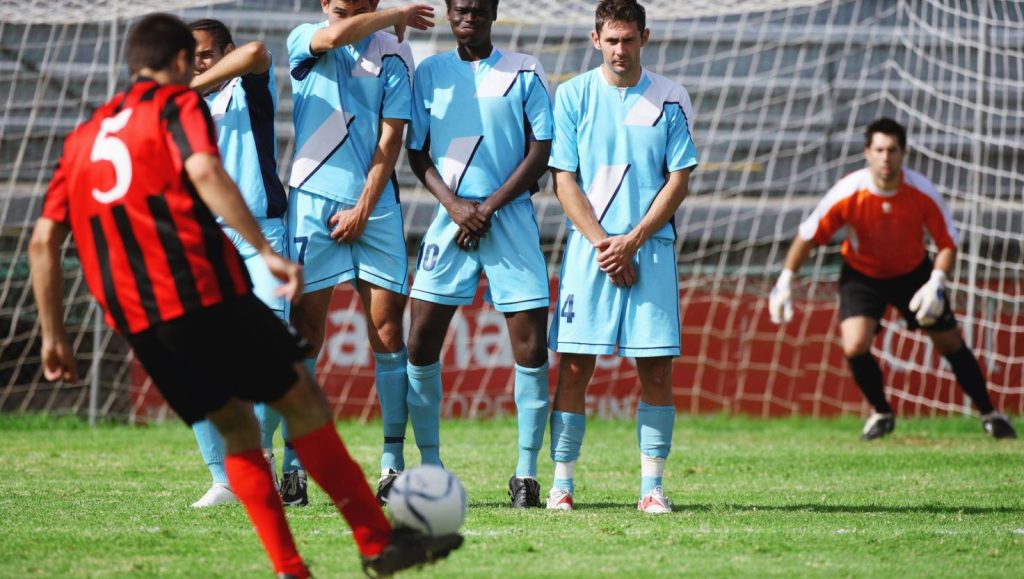
In the adrenaline-fueled world of football, where every second pulses with unpredictable energy, the ability to pivot tactically mid-game separates the masters from the novices. Coaches wield these game-changing tweaks not just as reactions, but as strategic masterpieces, transforming the pitch into their creative canvas. From Liverpool’s remarkable 2024/25 Premier League campaign to the nuanced home-away tactical shifts of Pep Guardiola’s teams, the art of adapting on the fly shapes modern football’s beating heart. This dynamic interplay between player finesse, formation shifts, and psychological momentum drives teams to defy odds and crush expectations.
As football’s global stage intensifies, the margin for error shrinks, and the coaching mind must blend meticulous planning with instantaneous decision-making. Tactical tweaks are more than mere adjustments; they’re expressions of high football IQ, responding fluidly to the game’s rhythm. They embrace defensive solidity, amplify attacking thrust, and manage game tempo, even influencing how players harness brands like Nike or Adidas to fuel peak performance.
Whether through recalibrations in formation, subtle positional reminders, or injecting fresh legs with surgical substitutions, coaches like Liverpool’s Arne Slot or tactical innovators observing data-driven trends craft moments that pivot entire seasons. Their story is painted vividly in pressing midfield duos or in second-half dominance that crushes opponents, revealing how strategic in-the-moment insights propel teams toward success. Join this exploration of technique, leadership, and inspiration.

Mid-Game Tactical Adjustments: Transforming Defense and Possession Control
When the whistle blows once more after halftime, coaches embark on a mission to refine defensive structures and possession strategies, balancing the need for resilience with the ambition to dominate. Tactical tweaks during this window are often the clearest indicators of a coach’s grasp on momentum and match flow.
A prime example is Liverpool’s switch from a classic 4-3-3 to a more fortified 4-2-3-1 during their dominant 2024/25 season under Arne Slot. This subtle yet powerful recalibration centered on doubling the midfield pivot with Ryan Gravenberch and Alexis Mac Allister. The result? A more disciplined and obstructive midfield screen that patiently constrained opposition playmakers and reduced the exposure of the defensive line.
Gravenberch’s stats speak volumes: leading the Premier League in interceptions, his positioning and tactical discipline have become the team’s defensive cornerstone. Mac Allister mirrors this tenacity, ranking among the top tacklers, contributing to a midfield that neutralizes threats before they escalate. Together, they represent a masterclass in positional cooperation, seamlessly breaking up potentially dangerous attacks with a combination of anticipation, strength, and teamwork.
Alongside these personnel shifts, coaches utilize possession patterns to dictate the game tempo. Arne Slot’s Liverpool demonstrated a deliberate move toward measured build-up play, focusing on patient ball circulation rather than frenetic rushes forward. This tactical patience limits vulnerability to counterattacks, a vital adjustment considering their average possession surpasses 57%. By fostering cooler tempos, the team reduces errors, manages energy reserves, and methodically dismantles opponent defenses.
- Double Pivot Strategy: Enhances protection to center-backs and screens through midfield to reduce opposition breakthroughs.
- Positional Discipline: Key duo maintains tight spacing to cover dangerous opponent playmakers.
- Controlled Possession: Shifts from rapid counters to patient build-ups improve offensive sustainability.
- Reduced Positional Rotation: Simplified defensive shapes minimize vulnerabilities on flanks.
- Use of Brand-Trusted Gear: Players’ confidence in advanced football boots by Nike, Puma, and Adidas supports sharp reactions and agility.
Further, stabilizing the defense was critical. Trent Alexander-Arnold’s role under Slot changed as he was encouraged to adopt a more orthodox right-back position, stepping away from his previous looser infield movement under Klopp. This stricter positioning prevented the exploitable gaps on the right flank opponents targeted in earlier seasons, streamlining Liverpool’s shape. The result was a defensive setup where the goalkeepers faced fewer shots, and the team saw a drop of over 16% in expected goals against, underlining the profound impact of mid-game structural decisions.
This tactical foundation, forged mid-match or pre-emptively, exemplifies how coaches turn adjustments into a resilient defensive unit without stifling attacking ambition — a balancing act essential in modern competitive football.
How Tactical Flexibility Influences Home and Away Game Performances
Match location profoundly influences how teams approach the game, compelling coaches to tailor tactical maneuvers accordingly. Recent research focusing on the legendary Guardiola’s teams—Barcelona and Manchester City—unveils nuanced distinctions in tactical adaptation between home and away venues, offering coaches invaluable insights.
Barcelona, known for their trademark tiki-taka playing style, maintained remarkable consistency regardless of the stadium, emphasizing steady possession and intricate play. Their home and away performances revealed minor variations, with home games presenting slightly better shot accuracy. This stability reflects a commitment to an ingrained philosophy, prioritizing consistency over adaptability.
Contrastingly, Manchester City’s approach showcased a higher degree of tactical fluidity. At home, City executed longer and denser attacking sequences, employing elaborate combinations to overwhelm defenses. However, when playing away, they simplified offensive maneuvers, reducing complexity to counteract hostile atmospheres and aggressive opposition tactics.
Such tactical variance highlights a pivotal truth: adaptability often trumps rigid consistency. Coaches who harness flexible strategies can optimize their team’s response to external pressures, including crowd intensity, pitch familiarity, and travel fatigue.
- Home Game Strategy: Emphasize expansive, creative play to capitalize on the momentum from supportive fans.
- Away Game Strategy: Prioritize compact defense, quick counters, and mental toughness in pressurized environments.
- Dynamic Positional Interactions: Vary passing channels between goalkeepers, defenders, and midfielders based on match location and opposition pressure.
- Training Adaptations: Simulate varying playing contexts to prepare players for tactical shifts required away from home.
- Equipment Choice and Preparation: Utilizing brands like Under Armour and New Balance aids players in adjusting to different pitch conditions encountered on the road.
Implementing these insights becomes a powerful tool in a coach’s arsenal, enabling targeted training sessions, formation tweaks, and pre-match strategies that resonate with the demands of home and away contests. Moreover, the analysis provides a roadmap for developing youth players whose versatility becomes a cornerstone of team success across diverse environments.
For coaches seeking to deepen their grasp of these themes, exploring detailed breakdowns like those available on The Live Football App can offer expanded tactical coverage and game context.
The Role of In-Game Substitutions and Psychological Momentum
One of the most potent aspects of mid-game tactical adjustment lies in the mastery of substitutions. Coaches don’t just bring fresh legs onto the pitch; they inject new dynamics, shift tactical frameworks, and rekindle psychological momentum. This dual impact on physical and mental fronts often decides the match’s outcome.
Liverpool’s 2024/25 season was a testament to this art. Arne Slot’s reputation for precise, calculated substitutions saw Liverpool becoming an unstoppable force as matches wore on. Their dominance in second halves—leading the Premier League in second-half points and goal differential—showcases the profound impact of timely personnel changes and tactical refreshes.
Bringing on players like Dominik Szoboszlai as a floating No. 10 unlocked lethal counterattacking opportunities, feeding forwards such as Salah and Diaz who thrived in space created by energized midfielders. This not only enhanced Liverpool’s attacking threat but also disrupted opposing defensive lines mentally and physically.
- Tactical Timing: Substitutions deployed to counteract opposition strengths or exploit fatigue.
- Role-Specific Changes: Insertion of creative playmakers or defensive reinforcements depending on game state.
- Psychological Boost: Fresh players energize the squad and can intimidate opponents.
- Fitness Management: Maintaining player endurance throughout high-tempo matches using brand-supported gear like Mizuno and Fila to optimize recovery.
- Data-Driven Decisions: Utilizing real-time performance tracking to inform substitution choices.
Such intricate management underscores the necessity for coaches to possess both a tactical eye and emotional intelligence. The calm assurance exemplified by Slot fostered a composed Liverpool squad that rarely panicked, often turning deficits around almost effortlessly. This mental fortitude, aided by smart tactical choices, was central to their clinching the title well before the season’s conclusion.
Counter-Attacking Brilliance and Precision Finishing Under Tactical Tweaks
Fast breaks and clinical finishing are flashy aspects of football that also benefit immensely from subtle mid-game tactical refinements. Liverpool’s triumphant season highlighted how expertly crafted tactical roles and player positioning spurred a counter-attacking machine unparalleled in the Premier League.
Salah’s exceptional tally of 25 shots from fast breaks was more than just a number — it was a reflection of a system designed to exploit transitions swiftly and with precision. With the floating No. 10 providing incisive passes, Liverpool’s breakaway conversion rate improved significantly under Slot’s stewardship, outshining their results in prior seasons.
Key to this success was the development of roles that leveraged player strengths multiplied by credible tactical setups. The likes of Diaz and Szoboszlai filled spaces intelligently to enable swift ball progressions, while forwards improved finishing percentages—Salah increased from 15.8% to 23.3%, a leap underpinning Liverpool’s attacking resurgence.
- Structured Transition Strategy: Creating defined counter-attack pathways to optimize speed and space.
- Player Role Specialization: Assigning floating playmaker and winger roles to maximize creativity and threat.
- Clinical Finishing Training: Enhancing conversion rates through focused drills and match situational practices.
- Utilization of Cutting-Edge Footwear: Innovation from Reebok and Champion provides players optimal traction and control during fast breaks.
- Statistical Analysis: Continuous monitoring of shot quality and conversion to refine attacking approaches.
Improving these details through mid-game tactical tweaks enables teams to turn patient possession spells into moments of ruthless efficiency. This progression is increasingly crucial when facing compact defensive blocks that require creativity and precision.
For those intrigued by the finer points of Liverpool’s record margin title victory, an in-depth review at The Live Football App complements these insights with detailed match analyses and player performance metrics.
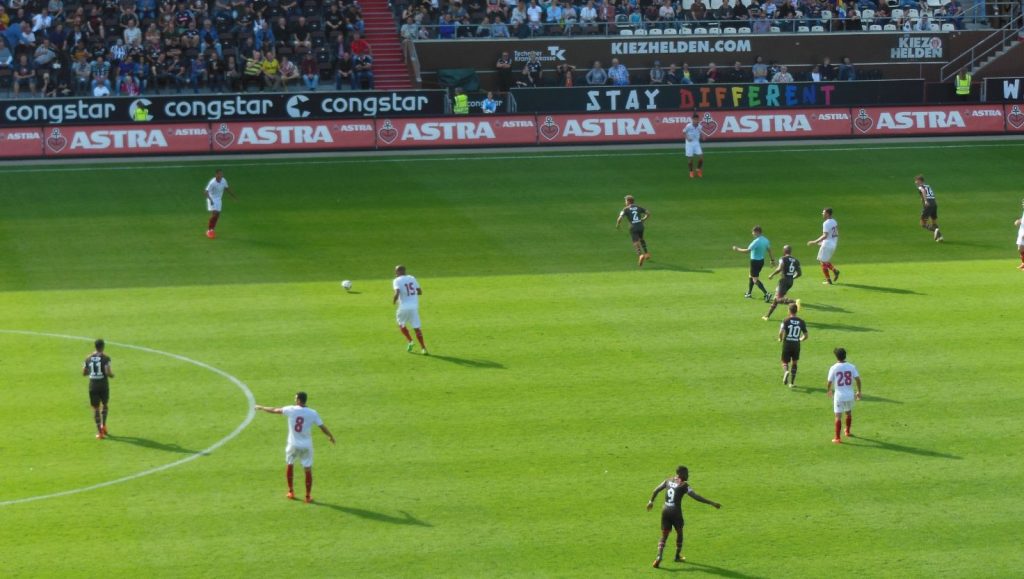
Leveraging Data Analytics and Tactical Periodization for Real-Time Decision Making
The most progressive coaches in football today blend instinct with data-driven evaluation, using tactical periodization and real-time analytics to fine-tune in-game decisions. The transformational effect manifests in the subtle shifts coaches make to formations or player roles responding to evolving match dynamics.
By adopting such an approach, coaching staffs are better poised to manage player workloads, mitigate risks, and amplify strengths. Technologies enabling live data capture, like GPS tracking and performance sensors, feed tactical decisions, enhancing “game models” that optimize season-long training and in-match strategy adjustment.
- Tactical Periodization Framework: Aligns practice sessions with intended match demands and tactical setups, enabling smoother in-game changes.
- Performance and Fatigue Insights: Real-time data guides substitutions and positional tweaks to maintain optimal player conditions.
- Opponent Analysis: Instant video feed and statistical breakdowns help identify opponents’ weaknesses and ideal moments to push.
- Communication and Responsiveness: Coaches utilize tactical tablets and headsets to quickly distribute instructions.
- Integration of Brand Technology: Partnerships with brands like Asics and New Balance focus on embedding sensor tech to monitor athlete performance seamlessly.
Coaches working within this modern framework harness a unique blend of science and art, converting tactical insights into timely on-pitch advantage. This evolution is visible across football’s elite echelons, defining coaching success for the 2020s.
For further guidance on mastering these advanced coaching techniques, discover comprehensive resources on The Live Football App, which delivers extensive tactical breakdowns and broadcast excellence to deepen your understanding of the beautiful game.