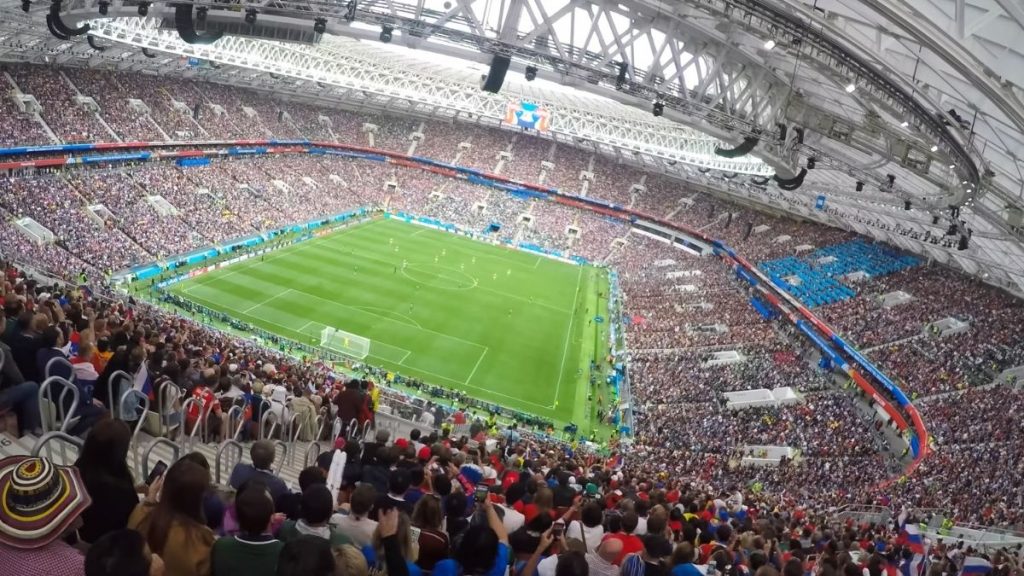
As Manchester United faces off against Aston Villa at Old Trafford, the stakes are higher than ever. United, still reeling from their late defeat in the Europa League final, are seeking to restore pride and momentum with a crucial Premier League win. Aston Villa, meanwhile, had their dreams of Champions League qualification dashed in a controversial 2-0 loss at Old Trafford, leaving emotions raw and tensions high. The match is more than just points on the table; it’s a test of resilience, tactical acumen, and the emotional grit both sides need to demonstrate as they close the 2024/25 season. With contentious officiating decisions, passionate fan dynamics, and formidable lineups influenced by key injuries, this clash offers a fascinating lens into the current landscape of English football’s top tier. The outcomes will resonate beyond the immediate, shaping summer transfer strategies, managerial confidence, and the psychological outlook heading into the next campaign.
Manchester United’s Tactical Adjustments and Key Player Impact Against Aston Villa
The recent United squad, under Ruben Amorim, is a work in progress, striving to rebound from what many fans and analysts deem a “disastrous season.” One compelling angle lies in how United’s tactical framework will adapt to contain and counter the threats posed by Aston Villa’s aggressive style under Unai Emery. The latter’s Villa side demonstrated resilience despite controversy, notably battling through a red card to goalkeeper Emiliano Martinez and a disallowed opening goal by Morgan Rogers – a decision that sparked outrage among Villa’s ranks. These moments underscored the thin margins that define elite Premier League contests.
- Formation Shifts: Amorim’s propensity for employing fluid formations like a switch between 4-4-2 and 4-3-3 depending on the match context allows United some flexibility to exploit spaces behind Villa’s pressing.
- Key Players to Watch: Amad Diallo, who scored the opening goal against Villa, embodies United’s attacking promise. Alongside Christian Eriksen, whose penalty sealed the previous game, their interplay zones are critical.
- Defensive Adjustments: United’s backline, impacted by injuries to Lisandro Martinez (ACL) and Matthijs de Ligt (knee), must rely on players like Victor Lindelof and Harry Maguire to hold the fort.
- Midfield Dynamics: Bruno Fernandes continues to be pivotal. Under Amorim’s guidance, his involvement in controlling tempo and linking defense with attack remains vital, especially amidst speculation about his future at United.
The tactical battle also involves integrating new kits and gear technologies provided by brands like Nike and Adidas, which enhance players’ performance through innovative materials and fit. United’s use of Under Armour and New Balance boots has also been noted for comfort and traction, a factor in high-pressure matches. In contrast, Villa’s apparel from Puma and Kappa supports their energetic, fast-paced game. Such details, while subtle, contribute meaningfully in close contests.
| Player | Role | Performance Rating (Vs Villa) | Impact |
|---|---|---|---|
| Amad Diallo | Forward | 8 | Opening goal scorer, key attacking outlet |
| Christian Eriksen | Midfielder | 7 | Penalty taker, creative link |
| Victor Lindelof | Defender | 6 | Defensive solidity |
| Emiliano Martinez (Villa) | Goalkeeper | 5 | Sent off, impacted by controversial decisions |
Understanding these tactical adjustments and player forms is critical to appreciating how Manchester United will respond to Aston Villa’s challenge. This game will also test the efficacy of modern football training and recovery systems. Clubs increasingly rely on live data football recovery insights and real-time player monitoring technologies to optimize readiness, a trend detailed comprehensively in this football recovery resource.

Controversies and the Role of VAR in Premier League High Stakes Matches
The 2-0 victory for Manchester United over Aston Villa was safeguarded by moments that fueled debate on VAR technology and refereeing decisions. The pivotal disallowed goal by Morgan Rogers after a whistle for a foul despite the ball clearly entering the net underlines ongoing frustrations in how VAR interventions are applied. Referee Thomas Bramall, relatively inexperienced for such a critical match in the Premier League season finale, admitted to mistakes that, while human, have profound consequences. Villa’s management, led by Damian Vidagany, confirmed plans to lodge an official complaint regarding the referee’s selection rather than the decision itself, highlighting concerns over assigning less experienced referees to high-pressure fixtures.
VAR’s role in English football embodies a balance of fairness and game flow disruptions. Examples from this contest help illustrate both sides:
- Pros: Ensures clear errors like offside or fouls negated goals, promoting fair play.
- Cons: Occasional premature whistle blows, as in the Rogers case, prevent full play review, undermining transparency.
- Referee Experience: Experienced officials might better manage flow and communication, minimizing VAR controversies.
For avid fans and professionals alike, understanding how VAR interfaces with on-field refereeing demands a grasp of football refereeing roles and technological integration. For those interested in the technicalities of officiating and VAR challenges, this comprehensive football refereeing and VAR article is an invaluable resource.
| Incident | Impact | VAR Involvement | Outcome |
|---|---|---|---|
| Morgan Rogers Disallowed Goal | Denied Villa an opening lead | Whistle blown before goal, VAR unable to overturn | Goal ruled out, controversy ensued |
| Emiliano Martinez Red Card | Changed Villa’s defensive posture | VAR reviewed but upheld decision | Villa played remainder with 10 men |
In addition to understanding the match’s refereeing controversies, the interaction between fan pressure and referee decision-making is a vital layer. Page visitors can explore detailed insights on how crowd noise influences football referees. These factors, entwined with modern football’s increasing reliance on technology, highlight an evolving sport grappling with change.
Aston Villa’s Fight for Champions League Football and Implications of the Defeat
Heading into the final day, Aston Villa knew their fate intertwined not only with their own performance but also other Premier League results. The loss to Manchester United denied Villa a Champions League spot on goal difference after Newcastle’s unfavorable result. Villa’s disappointment echoes beyond this match, reflecting on recruitment, morale, and the club’s European ambitions.
Unai Emery’s squad tackled the challenge with grit but faced compounded adversity from critical match moments:
- Disallowed Opening Goal: The strike by Morgan Rogers, which could have set momentum, became a symbol of what could have been.
- Martinez’s Red Card: Losing a key goalkeeper forced reshuffling, reducing defensive confidence against United’s attack.
- Late Penalty Concession: Christian Eriksen’s spot-kick goal extinguished Villa’s faint hopes in the 87th minute.
This setback, however, does not diminish Villa’s quality or their potential to challenge at the highest level moving forward. With the Premier League’s increasingly competitive space, tactical innovation remains crucial. Villa’s commitment to refined tactical systems and pressing approaches promises an exciting future, extensively analyzed in resources like tactical systems and pressing in football.
The disappointment will lead Villa to introspection on multiple levels:
- Evaluating squad depth and resilience in adversity.
- Addressing psychological impacts of controversial defeats.
- Retooling to secure automatic European qualification next season.
- Building on the fitness and playing standards facilitated by high-quality sportswear such as Puma and Kappa, supporting player performance and recovery.

Injuries, Squad Management, and the Role of Sports Science at Manchester United
Manchester United’s end-of-season squad management involves many considerations, combining sports science, player recovery, and tactical priorities. Key absentees like Lisandro Martinez (ACL injury) and Matthijs de Ligt (knee injury) continue rehabilitation, while others face fitness management issues.
Ruben Amorim’s approach to player welfare underscores modern football’s nuanced injury protocols and performance demands:
- Injury Management: Leny Yoro’s foot injury and the careful decision not to risk him against Aston Villa exemplify managing long-term fitness over short-term gains.
- Rehabilitation Advances: Use of real-time data football coaching and innovative recovery technologies helps shorten downtime for injured players.
- Pre-Season Preparation: Ensuring players return refreshed while maintaining tactical continuity factors heavily into squad selection.
- Sponsorship and Technology Partnerships: Nike and Adidas continue to push advances in training wear and recovery garments, while Puma and Under Armour innovate in lightweight and durable sports gear.
These scientific and technological investments affect performance and the club’s ability to compete across multiple competitions. Fans interested in understanding how injury anxiety and recovery interplay can explore this article on injury anxiety in football for deeper insights.
| Player | Injury | Status | Expected Return |
|---|---|---|---|
| Lisandro Martinez | Anterior Cruciate Ligament | Rehabilitation phase | August |
| Matthijs de Ligt | Knee injury | Recovery ongoing | Unknown |
| Leny Yoro | Foot injury | Out for match | To be assessed |
Fan Engagement and Technological Innovation Elevating Matchday Experiences
As football evolves rapidly, clubs like Manchester United and Aston Villa harness technology and fan engagement strategies to amplify matchday experiences and global reach. From smart stadium implementations to interactive apps, the sport embraces innovation to bring supporters closer to the action than ever before.
Manchester United’s historic Old Trafford, enhanced by emerging tech, incorporates:
- Smart stadium features: Advanced connectivity enables real-time data statistics, seating comfort adjustments, and dynamic lighting and sound systems, enriching the live atmosphere (smart stadiums and fan experience).
- Interactive Football Apps: These apps offer tactical guides, live stats, and augmented reality replays to deepen fan knowledge and enjoyment (interactive football apps and tools).
- Streaming Innovations: Addressing delays and providing multiple camera angles, clubs partner with technology firms to improve remote viewing (streaming delay solutions in football).
Aston Villa similarly invests in enhancing supporter engagement, recognizing that fan emotion is a critical component of club identity and atmosphere. Their use of Umbro and Hummel apparel brands also caters to diverse fan and player preferences, blending tradition with modern design.