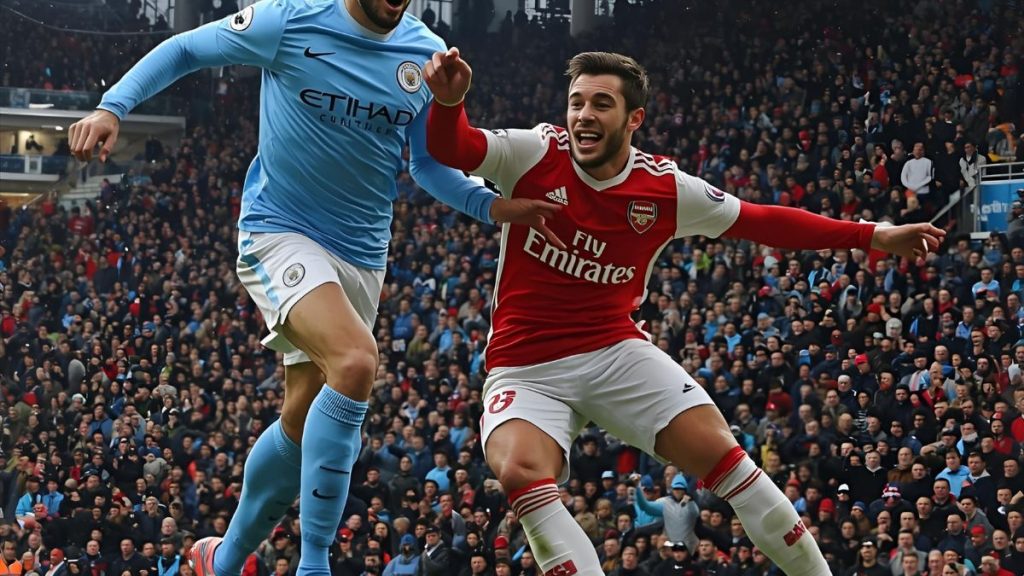
The clash between AS Monaco and Manchester City at Stade Louis-II on October 1, 2025, was not just a battle for Champions League points—it was a carefully woven narrative of tactical duels, pivotal moments, and sharp contrasts in strategy, culminating in a thrilling 2-2 draw that left fans and pundits wondering where the match truly hinged. Both sides brought weapons shaped by their 2025 campaigns, from Manchester City’s potent attacking trio led by Erling Haaland to Monaco’s resolute defensive shape, emphasizing the fine margins in Europe’s elite football.
In brief:
- Manchester City’s Erling Haaland marked his 50th Champions League appearance with a lethal brace, showcasing why he is one of Europe’s most feared forwards.
- Monaco’s defensive resilience and timely attacking contributions, notably from Jordan Teze and Eric Dier, kept their hopes alive in a frenetic encounter.
- The match’s outcome was heavily influenced by a controversial late penalty, highlighting the continuing impact of VAR technology and refereeing decisions in modern football.
- Tactical adaptations by both managers shaped momentum shifts, with City’s early dominance met by Monaco’s organized counter-strategy.
- Off-field elements such as team kit sponsors Nike, Puma, Adidas, and partners including Etihad Airways and Hublot played a subtle yet significant backdrop to the spectacle.

Strategic Suspense: How Tactical Systems Defined Monaco vs City
One of the central narratives in the Monaco versus Manchester City match was the contrasting tactical frameworks each team deployed. Monaco’s 3-4-2-1 shape focused on defensive solidity with a midfield designed to disrupt City’s rhythm. Their use of wingbacks Vanderson and Jordan Teze ensured width and defensive protection, a classic blueprint for dealing with a team rich in attacking firepower.
Manchester City, on the other hand, employed a 4-1-4-1 formation, with Rodri acting as the shield in front of the backline while the midfield quartet, including Bernardo Silva and Phil Foden, pressed aggressively to control possession. The use of Erling Haaland as the lone striker, supported by dynamic midfield runners like Jérémy Doku and Tijjani Reijnders, allowed City to dominate the attacking third with rapid transitions.
Key tactical moments included:
- Monaco’s defensive discipline: Despite City’s heavy shot presence, Monaco’s back three, led by Eric Dier, efficiently blocked attempts and managed to withstand constant pressure.
- City’s possession strategy: With an expected goals (xG) of 1.548 versus Monaco’s 1.45, City actively sought to create big chances through intricate passing and positioning.
- Midfield battle: The duel between Rodri and Mamadou Coulibaly was fundamental in dictating the tempo of the game and enabling attacks or turning over possession.
- Exploiting wing play: Monaco’s use of wide players Akliouche and Ansu Fati aimed to stretch City’s defense, opening pockets for Balogun to exploit in the box.
This tactical chess match emphasized the importance of flexibility and in-game adjustments. Monaco’s ability to absorb pressure and strike on the counter was a perfect foil to City’s dominant possession style, reflecting the necessity of both strategic discipline and offensive creativity in modern football. For detailed tactical insights and live likelihood analysis, FotMob’s coverage of Monaco vs Man City remains an invaluable resource (live stats).

Key Players’ Impact: Spotlight on Erling Haaland and Jordan Teze
When analyzing where the match could be won or lost, individual contributions spotlighted the razor edge between triumph and heartbreak. The night belonged to Erling Haaland, who celebrated a personal milestone—his 50th Champions League appearance—with two clinical goals that underscored his role as City’s talisman in 2025.
Haaland’s goals, assisted by Josko Gvardiol and Nico O’Reilly respectively, showcased his sharp positioning and lethal finishing, elevating him to a historic level as one of the competition’s fastest scorers to 50 goals. Such performances affirm why City invests heavily in partnerships with global brands like Nike and Adidas, enhancing player performance and visibility.
Opposite him, Monaco found inspiration in Jordan Teze’s timely equalizer, a right-footed blast from outside the box that exemplified his emerging role as a modern attacking defender. Teze’s contributions extended beyond offense—his free kick wins and defensive interventions kept Monaco afloat during City’s surges.
Other notable player highlights included:
- Phil Foden’s creative flair: Despite a missed shot bar, Foden’s movement and link-up play energized City’s midfield.
- Eric Dier’s late penalty conversion: Bringing Monaco level with a dramatic spot-kick, underscoring the decisive moments individual composure can dictate.
- Defensive resilience from Ruben Dias and Thilo Kehrer: Their tackles and interceptions provided balance amid offensive chaos.
Understanding player performances, especially in high-stakes encounters like this, is crucial for coaches and analysts. This focus on match-defining contributions is epitomized in detailed match reports and discussions found at VAR and matchday impacts.
VAR, Controversies, and the Psychological Edge
Refereeing decisions frequently shift momentum, and in this fixture, the implementation of VAR technology played a pivotal role. The late penalty awarded to Monaco after a foul by Nico González incited debate and illustrated the razor-thin decisions that can swing UEFA Champions League matches.
This decision, converted confidently by Eric Dier, highlighted how psychological endurance is tested in pressure moments. For Manchester City, the blow was a challenge to their resilience, particularly after establishing a two-goal lead. Conversely, Monaco’s mental fortitude received an enormous boost, fueling a potent push for a comeback draw.
Such moments emphasize several points for teams and fans alike:
- Importance of maintaining composure: High-stakes games require players to remain calm amid unpredictability, especially when VAR reviews impose delays.
- Strategic use of VAR insights: Coaches may analyze previous VAR-influenced scenarios to prepare players psychologically for such interventions.
- Refereeing transparency and technological roles: The evolving role of match officials and technologies like those sponsored by Tag Heuer and Hisense enrich match integrity.
For enthusiasts keen on VAR’s influence and detailed analysis of contentious football matches, resources like football live blogs and comprehensive reports provide engrossing perspectives.
Statistical Breakdown: Analyzing Match Metrics and Momentum
Statistics provide an empirical foundation to appreciate where Monaco and Manchester City excelled or faltered. The match statistics reveal a fascinating battle with City dominating shots (18 compared to Monaco’s 8), and expected goals (xG) slightly favoring them as well (1.548 vs 1.45).
| Statistic | Monaco | Manchester City |
|---|---|---|
| Ball Possession | 42% | 58% |
| Total Shots | 8 | 18 |
| Big Chances Created | 2 | 2 |
| Expected Goals (xG) | 1.45 | 1.548 |
| Shots on Target | 5 | 9 |
What this data reflects is a match where City controlled the tempo and majority of the ball but faced stern defending and efficient counter-attacks from Monaco, who capitalized on crucial moments. The dynamics echo a growing trend in football where possession doesn’t guarantee victory yet remains an essential metric.
- Momentum swings: Monaco’s ability to switch from defense to attack led to two vital goals, offsetting City’s quantitative dominance.
- Shot quality versus quantity: City’s more frequent shots were not overwhelmingly decisive due to Monaco goalkeeper Philipp Köhn’s crucial saves.
- Discipline and fouls: Yellow cards scattered across both teams indicated a physical contest, testing players’ endurance and composure.
For teams aiming to harness data-driven insights, these match statistics emphasize multifaceted evaluation beyond basic possession counts. A comprehensive understanding is accessible through platforms like football analytics matches.
Behind the Scenes: Off-Field Influences and Commercial Synergies
While the on-pitch performance is center stage, auxiliary elements such as sponsorships and corporate partnerships play a vital role in shaping modern football environments, including marquee encounters like Monaco vs Manchester City. This match was surrounded by brands synonymous with elite sports: Nike, Puma, Adidas outfitted players who wore their latest technology-enhanced kits, while global sponsors such as Etihad Airways, Pepsi, Expedia, Hublot, and Hisense enriched the tournament’s profile.
The commercial backdrop contributes through:
- Innovative kit technology: Players benefit from tailor-made apparel, influencing comfort and performance, crafted by giants like Nike and Adidas.
- Global broadcasting rights: Partners such as EA Sports and sports tech enable worldwide fan access, crucial in 2025’s era of digital sports consumption.
- Brand visibility and investment: Companies like Tag Heuer and Pepsi leverage the worldwide spotlight of Champions League games to boost their market presence and sports association.
- Travel and logistics: Etihad Airways’ partnership supports international travel for teams and fans, enhancing the tournament’s logistical strength.
The symbiosis between sports, technology, and commerce is a hallmark of Champions League settings today, prompting clubs and stakeholders to envision football as a global entertainment ecosystem. For those curious about the evolving broadcast strategies, platforms such as Champions League broadcast rights offer invaluable insights.