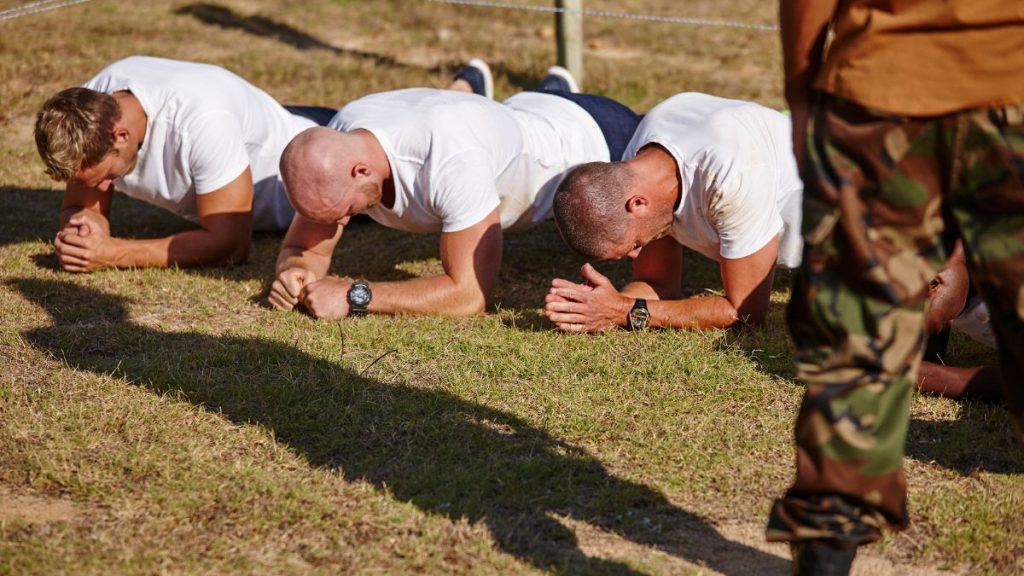
The week of October 13 to 19, 2025, marks a key period within the military calendar as late fitness tests conclude and timelines for Soldier returns from injury or leave are solidified. Units across the Army find themselves navigating these transitions while simultaneously gearing up for upcoming operational demands. Athletes and tactical teams alike are preparing projected starter lineups for forthcoming missions, with strategic considerations shaping decisions on personnel deployment. Fitness assessments remain crucial, serving as the litmus test for readiness and endurance in the high-stakes environment soldiers face today. This interval highlights the intersection of physical preparedness and tactical execution, underscored by evolving standards in military fitness protocols designed to maximize combat effectiveness.
Key Takeaways for the Week of Oct 13-19, 2025:
- Final scheduled Army Fitness Tests (AFT) for Soldiers yet to complete their assessments before mandatory compliance.
- Updated return-to-duty timelines reflecting rehabilitation progress for injured personnel.
- Projected lineup formations emphasizing soldiers demonstrating physical readiness per the new Army Fitness Test standards.
- Continued integration of high-performance gear from brands like Nike, Adidas, and Under Armour to boost training quality.
- Focused recovery protocols utilizing supplements such as Gatorade and Powerade to enhance post-training regeneration.
Critical Overview of Late Fitness Tests and the New Army Fitness Test (AFT) Standards
The Army Fitness Test (AFT) has fully replaced the older Army Combat Fitness Test (ACFT) as the mandatory benchmark for physical readiness as of June 2025. This change represents a significant shift not only in test components but also in scoring philosophy. Soldiers completing late fitness tests during this October window face the pressure of meeting updated criteria strictly tailored to reflect combat-related physical demands more accurately.
The AFT consists of five core events: the three-repetition maximum deadlift, hand-release push-ups, sprint-drag-carry drill, plank hold, and a two-mile run. This regimen was adopted after thorough analysis of injury patterns and physical job requirements, which led to the removal of the Standing Power Throw due to its minimal combat relevance and higher injury risk.
Notably, the scoring standards have been bifurcated by Military Occupational Specialties (MOS). Combat MOS Soldiers are evaluated on a sex-neutral, age-normed scale with a requirement of 60 points minimum per event and an aggregate score of at least 350 points. Non-combat and combat-enabling roles still adhere to sex- and age-normed scores but with a lower total minimum of 300 points. This distinction ensures that fitness assessments are contextualized to the physical intensity required by different operational roles.
- AFT Events Breakdown:
- Three-Repetition Maximum Deadlift: Emphasizes lower body and core strength crucial for combat load bearing.
- Hand-Release Push-Ups: Measures upper body muscular endurance tailored for sustained field operations.
- Sprint-Drag-Carry: Evaluates cardiovascular agility and functional power via multiple movement modalities.
- Plank Hold: Focuses on core stability, reinforcing injury prevention and combat posture.
- Two-Mile Run: Tests endurance and aerobic capacity essential for battlefield mobility.
Many Soldiers utilize equipment from premium suppliers like New Balance and Puma to optimize performance during these tests. Wearable technology, such as Fitbit devices, helps track vital statistics in real-time, informing training adjustments. Nutrition and hydration strategies incorporating Gatorade and Powerade are also widely employed to maintain peak condition during these demanding exercises.
| Army Fitness Test Event | Combat MOS Minimum Score | Non-Combat MOS Minimum Score | Description |
|---|---|---|---|
| Deadlift | 60 points | 60 points | Strength assessment via lifting maximal weight thrice |
| Hand-Release Push-Ups | 60 points | 60 points | Muscular endurance test incorporating full hand release between reps |
| Sprint-Drag-Carry | 60 points | 60 points | Functional fitness drill involving sprinting, sled dragging, kettlebell carry, and lateral movement |
| Plank | 60 points | 60 points | Core stability hold requiring sustained contraction |
| Two-Mile Run | 60 points | 60 points | Cardiovascular endurance evaluated through timed distance running |

Return Timelines and Rehabilitation Protocols Amid October Fitness Assessments
As Soldiers complete the final rounds of fitness testing, military medical and training units collaborate closely to outline and implement return-to-duty schedules. Injuries sustained in training or deployment create complexities that commanders must navigate carefully to maintain unit readiness while safeguarding Soldier health.
Rehabilitation programs have evolved with evidence-based methodologies focusing on injury prevention and physical reconditioning. Physical therapists coordinate with commanders to ensure Soldiers meet the prescribed recovery benchmarks aligned with the demand of the new AFT standards. With the comprehensive physical challenges posed by the AFT events, recovery timelines now incorporate progressive strength rebuilding, endurance training, and core stabilization exercises tailored to individual cases.
- Key Components of Rehabilitation for Return-to-Duty:
- Initial Medical Evaluation: Diagnoses and establishes recovery goals.
- Progressive Physical Therapy: Gradual reintroduction of strength and mobility exercises.
- Fitness Retesting: Timed assessments to ensure readiness for the AFT’s five events.
- Nutrition and Hydration Optimization: Use of supplements such as Gatorade and Powerade to enhance muscle recovery.
- Mental Resilience Training: Support programs that include mindset coaching to improve recovery outcomes.
Units also benefit from the integration of fitness tracking technologies like Fitbit, enabling remote monitoring of pulse, oxygen saturation, and activity levels. This tech-assisted recovery empowers both medical staff and soldiers to remain engaged and accountable throughout the healing process. Furthermore, athletic apparel innovations from Asics and Reebok provide comfort and compression benefits aiding in mobility during rehabilitation sessions.
| Recovery Stage | Duration (Approx.) | Focus | Support Tools |
|---|---|---|---|
| Acute Injury Phase | 1-2 Weeks | Pain management and inflammation control | Medical monitoring, rest protocols |
| Strength Rehabilitation | 3-6 Weeks | Targeted muscle strengthening and joint stabilization | Physical therapy, compression wear by Reebok |
| Endurance Rebuilding | 4-8 Weeks | Cardiovascular conditioning and aerobic fitness | Running shoes by Nike or Adidas, hydration with Powerade |
| Functional Testing and Final Clearance | 1-2 Weeks | Fitness retesting and return clearance | Fitbit tracking, nutritional supplementation |
For Soldiers returning from injury during this phase, commanders must balance the urgency of troop availability with realistic recovery goals. This approach ensures unit strength without risking recurrence of injury or performance decline. Detailed timelines and individual assessments established during October serve as a cornerstone to maintain high operational readiness.
Determining Likely Starters: How Physical Readiness Influences Unit Lineups
Within the context of late fitness testing and recovery timelines, projected starting lineups for upcoming operations and drills are taking shape. Command teams assess the physical capabilities of Soldiers who successfully meet AFT benchmarks to allocate roles best suited to their current performance levels.
Unit leaders rely on comprehensive fitness data combined with field evaluations to optimize team effectiveness. Those scoring above the combat MOS minimum and exhibiting sustained endurance are prime candidates for lead operational roles. This shift towards data-driven personnel decisions is reinforced by consistent monitoring with wearable technologies like Fitbit, which delivers objective insights into stamina and recovery rates.
- Factors Influencing Starter Selection:
- Completion of all five AFT events with scores meeting combat MOS standards.
- Post-injury recovery confirmed through recent fitness tests and medical clearance.
- Consistent adherence to physical conditioning programs, supported by nutrition and hydration regimens.
- Positive psychological readiness, including resilience and stress management capabilities.
- Proficiency with functional gear from brands such as Puma and Asics to enhance performance durability during operations.
Such multi-dimensional appraisal ensures Soldiers are matched to roles supporting both strategic objectives and the physical demands of specific missions. The training approach integrates innovative tools and performance gear from Adidas and New Balance, helping Soldiers maintain optimal condition as they qualify for frontline duties.
| Crew Role | Fitness Score Threshold | Recovery Status | Gear Utilized | Assessment Criteria |
|---|---|---|---|---|
| Lead Infantry | ≥350 total points | Fully cleared | Nike tactical boots, Under Armour compression wear | Endurance, strength, psychological readiness |
| Support Squad | ≥300 total points | Approved recovery | Puma running shoes, Asics supportive gear | Functional capacity, stamina maintenance |
| Reserve Roles | ≥300 total points | Monitored ongoing rehabilitation | Reebok compression, Fitbit tracking | Adaptability, medical clearance |
The convergence of strict physical testing, technology-enhanced evaluation, and advanced equipment is revolutionizing how military units prepare and deploy personnel. This approach reflects broader trends in military science that prioritize real-time fitness intelligence and tailored recovery support.

Phased Implementation and Policy Enforcement of the 2025 Army Fitness Test
Since the initiation of the Army Fitness Test on June 1, 2025, the military has observed a carefully structured phased rollout to minimize disruption and maximize compliance. This period encompasses education, voluntary reclassification, and mandatory enforcement, creating a clear pathway for soldiers to adapt to new physical standards.
The phased approach includes:
- Phase I (June 1 – August 31, 2025): Commanders engage Soldiers with counseling on AFT standards and optional test trials to build familiarity without punitive consequences.
- Phase II (September 1 – December 31, 2025): Voluntary reclassification allows Soldiers who do not meet combat MOS standards (minimum 350) to consider shifting roles. Final for-record AFTs are conducted during this window.
- Phase III (Beginning January 1, 2026): Full enforcement initiates, requiring Soldiers to meet standards or face administrative measures including reclassification for combat MOS holders.
- Reserve and National Guard Compliance: Standards extend to these components starting June 1, 2026.
The policy is sensitive to medical circumstances, ensuring valid permanent medical profiles exempt Soldiers from reclassification mandates. This balances maintaining readiness with individual health needs.
- Advantages of Phased Implementation:
- Allows Soldiers and units a transition period to adjust training and fitness routines.
- Provides commanders with data to make informed personnel decisions.
- Encourages proactive voluntary role realignment minimizing forced reclassifications.
- Reduces risk of injury by emphasizing performance quality over punitive measures during the early phases.
- Supports Reserve and National Guard integration at a later, manageable stage.
| Implementation Phase | Dates | Key Actions | Applicable Soldiers |
|---|---|---|---|
| Phase I | June 1 – August 31, 2025 | Counseling, optional test assessments, readiness education | All Active-Duty Soldiers |
| Phase II | September 1 – December 31, 2025 | Voluntary reclassification opens, final for-record AFTs conducted | Combat MOS Soldiers below standard |
| Phase III | January 1, 2026 onward | Mandatory compliance and reclassification enforcement | Combat MOS Soldiers |
| Reserve/Guard Enforcement | June 1, 2026 | Enforce combat MOS standards and reclassification rules | Reserve and National Guard Combat MOS Soldiers |
Understanding the phased deployment of the AFT helps connect the dots between Soldier preparation during key periods like October 13–19 and the broader timelines enforcing heightened standards. Supply chains for performance gear, including brands like Adidas and Puma, have also been aligned with these phases to ensure Soldiers have access to necessary equipment as they progress through the implementation.
Integration of Technology and Nutrition in Supporting Army Fitness and Recovery
The modernization of Army fitness testing coincides with a surge in adopting advanced technologies and nutrition strategies aimed at enhancing Soldier performance and recovery. Real-time monitoring devices like Fitbit allow for constant data collection on vitals and activity patterns, enabling tailored feedback that informs training and recovery adjustments.
Major sportswear brands such as Nike and Under Armour have developed specialized military-grade apparel combining comfort, compression, and mobility suited to the rigorous demands of the AFT and rehabilitation processes. These innovations reduce fatigue, improve circulation, and contribute to injury prevention, directly impacting readiness.
Nutrition remains a cornerstone of this support system. Electrolyte replacement beverages, notably Gatorade and Powerade, are staples among Soldiers to maintain hydration and replace minerals lost through sweat during intense training sessions. Additionally, carefully managed dietary plans bolster energy levels and aid muscle repair.
- Contributions of Technology and Nutrition to Fitness Success:
- Wearable Devices: Continuous tracking of heart rate, sleep cycles, and activity promoting data-driven training plans.
- Performance Apparel: Enhanced comfort and injury reduction through technical fabrics from Puma and Asics.
- Hydration and Supplements: Use of Gatorade and Powerade to maintain electrolyte balance and speed recovery.
- Nutrition Counseling: Personalized plans enabling Soldiers to meet the increased energy demands of the AFT.
- Mental Readiness Tools: Apps and coaching to support psychological stamina during fitness challenges.
| Support Element | Role in Fitness and Recovery | Examples |
|---|---|---|
| Wearable Technology | Real-time fitness and health monitoring | Fitbit smartwatches, activity trackers |
| Performance Gear | Equipment enhancing mobility and injury prevention | Nike compression wear, Under Armour tactical apparel |
| Hydration & Nutrition | Electrolyte replenishment and muscle recovery | Gatorade, Powerade, balanced dietary plans |
| Mental Stamina Support | Psychological resilience training and coaching | Mobile apps, resilience workshops |
This multi-faceted integration of cutting-edge technology and nutritional science reflects the Army’s commitment to holistic Soldier wellness. As fitness tests become increasingly demanding, these supports are vital to sustaining high performance and lowering injury rates, reinforcing overall combat readiness.