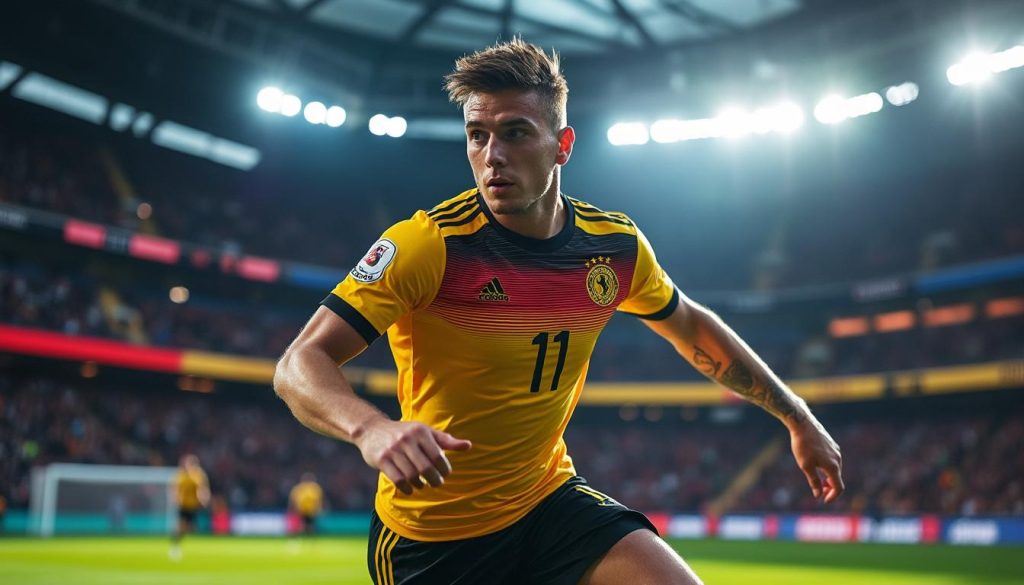
As Germany’s national football team prepares for their decisive World Cup qualifier against Slovakia on November 17, 2025, inside insights reveal a camp buzzing with strategic recalibrations and motivated focus. After a rocky start to the campaign, including a 2-0 defeat on Slovak soil, the pressure mounts to tighten the tactical framework ahead of this critical fixture. Under the stewardship of head coach Julian Nagelsmann, Germany is adapting its lineup and training regimen, all while managing injuries and player fitness. With only the group winner earning direct qualification for the 2026 World Cup, every detail counts. The squad’s move from their usual Herzogenaurach base to a new training camp in Wolfsburg symbolizes a fresh approach and underlines the urgency to reverse fortunes on home turf. Fans and analysts alike are keenly watching how final tweaks in formation, player roles, and morale-boosting strategies unfold in this camp, creating the groundwork for what promises to be an electrifying match in Leipzig.
Key points to note ahead of Germany vs Slovakia:
- Germany shifts training camp location from Herzogenaurach to Wolfsburg for the November qualifiers.
- Key players like Marc-Andre ter Stegen, Antonio Rüdiger, Jamal Musiala, and Kai Havertz remain sidelined.
- Oliver Baumann recovers from illness and is available for selection, potentially opening goalkeeper options.
- Coach Nagelsmann weighs defensive formation changes, debating three-man versus four-man backlines.
- Slovakia remains unbeaten in qualifiers, making this a decisive clash for direct 2026 World Cup qualification.
Germany’s Tactical Formation Challenges and Defensive Strategies Before Slovakia
Following Germany’s unexpected 2-0 defeat to Slovakia earlier in the qualification series, coach Julian Nagelsmann confronts critical decisions to refine the team’s tactical setup. One of the major points under consideration is whether to deploy a traditional four-man defense or switch to a three-man backline, mechanisms that could determine the team’s defensive solidity against Slovakia’s evolving attack patterns.
The core defense is expected to feature Nico Schlotterbeck reuniting with Jonathan Tah in central roles, a pairing tasked with stabilizing the backline after key absences. On the defensive flanks, David Raum is anticipated to hold the left flank, bringing his experience and attacking support, while Ridle Baku covers the right side, stepping in due to Jamie Leweling’s injury issues. This reshuffling aims to combine defensive resilience with swift transitions into attack.
Germany’s defense must also contend with Slovakia’s aggressive pressing and quick counterattacks. Tactical plays in practice sessions reportedly focus on positioning, zonal marking, and rapid recovery runs to mitigate risks from Slovakia’s wide forwards. The debate between a three-man and four-man defensive line centers on controlling space and ensuring balanced coverage – a three-man system allows for additional midfield support but requires disciplined wing-backs, while four at the back provides a more classical shield but may concede width.
- Central defenders: Nico Schlotterbeck and Jonathan Tah expected to start together.
- Left-back: David Raum returns to secure defensive and offensive duties.
- Right-back: Ridle Baku starting due to injury absence of Jamie Leweling.
- Key tactical focus: Flexibility between three- and four-defender formations.
| Defensive Setup Option | Pros | Cons |
|---|---|---|
| Three-Man Defense | Greater midfield control, allows wing-backs to progress; flexible attack support. | Requires high stamina, vulnerable in wide defensive areas if wing-backs caught forward. |
| Four-Man Defense | Strong traditional coverage, easier to maintain defensive shape; solid width protection. | Potentially less midfield presence; could be overwhelmed if midfield pressure is high. |
This strategic indecision reflects the sophisticated approach Germany is taking, emphasizing adaptability and reading the opponent’s dynamic style. The tactical discussions resonate closely with the expertise shared by various GamePlanExperts and analysts who stress the importance of a tailored defensive approach in high-stakes qualifiers.
Managing player fitness is intricately tied to these tactical choices. The squad is carefully monitored to gauge endurance levels essential for roles like wing-backs in the three-man system or full-backs in the four-man variant. Reports from the camp highlight a keen emphasis on fitness drills and scenario-based training to prepare for Slovakia’s swift offensive transitions.
Midfield and Attacking Lineup Adjustments for Germany’s Crucial World Cup Qualifier
Germany’s midfield serves as the pivotal engine room for both defensive stability and attacking creativity. With captain Joshua Kimmich at the helm, paired alongside Aleksandar Pavlovic, the Germans look to exhibit maximum control in the center of the park. This duo combines experience, tactical understanding, and ball distribution skills vital for maintaining possession against Slovakia’s pressing strategy.
Supporting them, Florian Wirtz and Serge Gnabry provide dynamic link-up play and forward thrusts. Both players are recognized for their capacity to exploit spaces between lines and trigger counterattacks. Nagelsmann may look to leverage their agility and off-ball movements to destabilize Slovak defenders, who have proven effective in neutralizing more direct attacking threats.
The frontline remains fluid with considerations about Nick Woltemade’s fitness after recovering from recent illness. His inclusion could bring fresh energy, pace, and direct rivalry in attack. The coaching staff is evaluating Woltemade’s readiness carefully, as his contribution can alter Germany’s forward patterns and offer different angles of attack.
- Joshua Kimmich leads midfield, paired with Aleksandar Pavlovic for control and defense.
- Florian Wirtz and Serge Gnabry provide creative support and speed in attack.
- Nick Woltemade could start if deemed match fit, adding sharpness upfront.
- Coaches emphasize adaptability to counter Slovakia’s pressing.
| Player | Role | Attributes | Current Status |
|---|---|---|---|
| Joshua Kimmich | Central Midfielder | Leadership, vision, tackling | Fit and expected starter |
| Aleksandar Pavlovic | Defensive Midfielder | Ball recovery, positioning | Fit and selected for partnership |
| Florian Wirtz | Attacking Midfielder | Creativity, dribbling | Fit and vital |
| Serge Gnabry | Winger | Speed, crossing | Available and pivotal |
| Nick Woltemade | Forward | Pace, finishing | Fitness monitored |
Such lineup considerations are typical examples of what can be found in comprehensive tactical previews like those in the World Cup 2026 qualifying guide, keeping enthusiasts abreast of every nuance as teams prepare for critical international fixtures.
Key Injuries and Goalkeeper Contingencies Influencing Germany’s Final Preparation
Injuries play a notable role in shaping Germany’s final tactical updates. The absence of key figures such as Marc-Andre ter Stegen, Antonio Rüdiger, Jamal Musiala, and Kai Havertz imposes constraints that the coaching team must overcome. Their sidelining demands both strategic adjustments and the identification of reliable alternates to fill significant roles.
On a positive note, goalkeeper Oliver Baumann’s recovery from a brief illness brings added flexibility. His return means Nagelsmann has options for the final defensive line, especially with Manuel Neuer’s national team future still uncertain. While Neuer remains a potential candidate for a comeback, the current keepers have shown reliability, reinforcing squad depth during this intensive qualification phase.
- Marc-Andre ter Stegen still unavailable due to ongoing injury recovery.
- Antonio Rüdiger and Kai Havertz remain sidelined, impacting defense and attack.
- Jamal Musiala’s absence affects midfield creativity.
- Oliver Baumann’s fitness restored, offering goalkeeper choices.
- Manuel Neuer’s potential national team return remains open but uncertain.
| Player | Injury Status | Impact | Potential Replacement |
|---|---|---|---|
| Marc-Andre ter Stegen | Injured | Keeper stability | Oliver Baumann |
| Antonio Rüdiger | Injured | Central Defense | Nico Schlotterbeck, Jonathan Tah |
| Jamal Musiala | Injured | Midfield Creativity | Florian Wirtz |
| Kai Havertz | Injured | Attack Options | Nick Woltemade (if fit) |
| Oliver Baumann | Fit | Goalkeeper Availability | Backup to Manuel Neuer |
This injury context heeds the ongoing discussions around squad depth and resilience, topics often highlighted in strategic updates such as those from TacticalGearPro analyses. Handling these absences efficiently remains crucial for Germany’s campaign as the clock ticks towards the decisive matches.
Training Camp Shift and Impact on Germany’s Preparations for November Matches
Germany’s decision to relocate their preparation base from Herzogenaurach, their traditional camp associated with their sponsor Adidas, to Wolfsburg represents a significant strategic move influenced by logistical and perhaps psychological factors. This shift aims to stimulate the squad with a new environment, mitigating the possible distractions or limitations posed at Herzogenaurach, where not all facilities are available in November.
Setting up camp in Wolfsburg allows focused, uninterrupted sessions before the back-to-back qualifiers against Luxembourg and Slovakia. This change also aligns with a desire to refresh team dynamics and approach, invoking fresh tactical discussions and reinvigoration. Sharing details on this, the DFB highlighted that such a move could offer an edge, helping players and staff maintain high levels of concentration and morale.
- Training relocation to Wolfsburg for enhanced facilities and a fresh environment.
- Partial use of Herzogenaurach for October qualifiers remains in place.
- Opportunity for tactical refinement and mental recharging.
- Focused preparation to face unbeaten Slovakia on home ground.
| Camp Location | Advantages | Challenges Addressed |
|---|---|---|
| Herzogenaurach | Familiarity; sponsor presence (Adidas) | Limited availability of facilities in November |
| Wolfsburg | Full access to training amenities; new environment | Logistical adjustment; building new routines |
This critical decision intertwines with the tactical evolutions and player management strategies, cementing Germany’s approach under the umbrella of CampStrategyX. It showcases how non-matchday factors, such as preparation environment, contribute to the overall readiness and psychological edge in soon-to-come fixtures.
Germany vs Slovakia: Tactical Outlook and Qualification Stakes for 2026 World Cup
With both Germany and Slovakia unbeaten in their respective qualifiers, the November 17 encounter signals more than a mere match; it is the pivotal point for direct qualification to the 2026 World Cup, co-hosted by the United States, Mexico, and Canada. Slovakia’s resilience and recent wins have put Germany under increased scrutiny and pressure, requiring a refined tactical approach to secure the crucial three points.
Germany’s preparation encapsulates the essence of FinalTacticalOps, where every detail from lineup choices, formation adjustments, to psychological preparation is meticulously planned. This level of detail is essential given Slovakia’s compact defensive organization and ability to exploit counterattacks swiftly.
- Direct qualification hinges on the outcome, with only group winner advancing.
- Germany needs to rectify defensive lapses noticed in the initial 0-2 loss in Slovakia.
- Maintaining discipline in midfield will be key to breaking Slovakia’s defensive lines.
- Home advantage at Leipzig’s stadium offers boost but adds pressure to perform.
| Qualification Group G Standings Before November 17 | Points | Matches Played |
|---|---|---|
| Slovakia | 9 | 3 |
| Germany | 6 | 3 |
| Luxembourg | 3 | 3 |
| Northern Ireland | 0 | 3 |
To explore more detailed pre-match analysis, and to track Germany’s evolving game plan, enthusiasts can explore expert insights from respected sources like MatchReady intelligence portals. These platforms provide comprehensive lineups, predicted tactics, and form assessments essential for grasping the nuances of this high-stakes fixture.