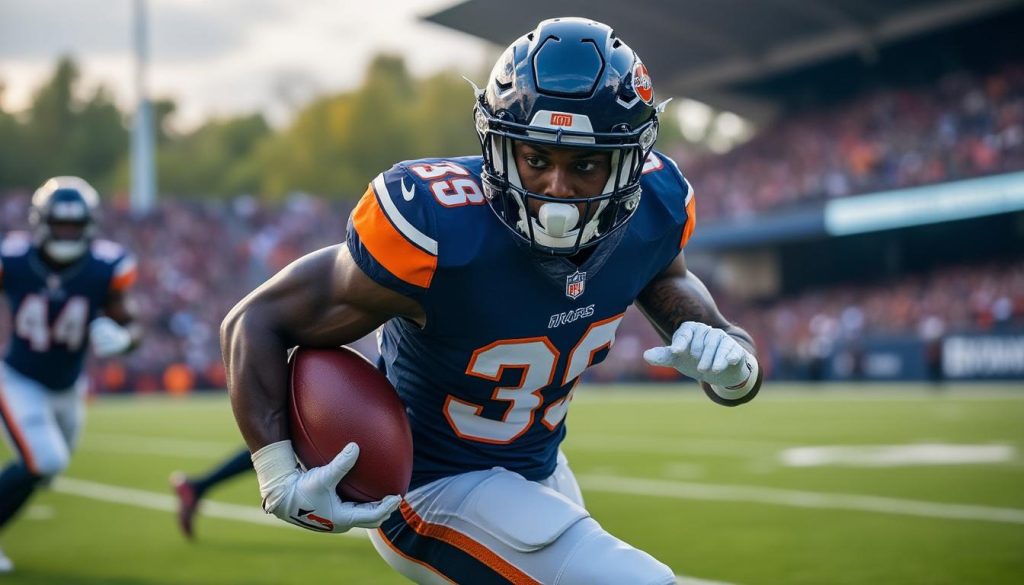
The pressure mounting on defending champions as the 2025 season unfolds is palpable both within training camps and among fans and pundits alike. With the championship title now securely in their grasp, champions face unprecedented expectations to sustain peak performance levels and prove that last year’s victory was no mere fluke. This pressure often intensifies inside the camp as coaches instill a sense of urgency to prepare for rival teams looking to dethrone them. The road to successful title defense is lined with obstacles ranging from maintaining team cohesion to adapting tactics for a constantly evolving competitive landscape.
Team dynamics shift dramatically when a squad transitions from contender to defending champion. The psychological burden can affect players’ focus, introducing an added layer of strategic complexity. It’s not simply about replicating previous success but constantly innovating while keeping core strengths intact. Analyzing the internal atmosphere of such camps reveals how champions balance reflections on past glory with the relentless pursuit of future triumphs.
Inside Camp Pressure: How Defending Champions Handle Intense Expectations
The internal camp atmosphere is a crucible where the tension surrounding defending champions is most concentrated. Players and staff must constantly manage the pressure to justify their champion status while warding off complacency. For instance, the Philadelphia Eagles, after their commanding 14-3 regular season and Super Bowl LIX victory, demonstrated how quickly the focus shifted back to preparation for the 2025 campaign.
Head Coach Nick Sirianni emphasized a philosophy of pressing forward rather than dwelling on past accomplishments. The mantra of “we’re not defending anything” resonates deeply within the team culture, articulated notably by left tackle Jordan Mailata. His blunt declaration that the Eagles are not defending champions but simply holders of last season’s title highlights a motivational mindset designed to bypass the distractions that come from labels and external expectations.
In practical terms, training camps for reigning champions incorporate rigorous psychological conditioning alongside physical drills. The integration of scenarios that simulate the pressure-cooker environment of championship rematches or hostile away games sharpens mental resilience. Jalen Hurts, the Eagles’ standout quarterback and Super Bowl MVP, played down the glamour of the ring ceremony by immediately redirecting focus to the new season’s challenges. Photos from the event notably showed Hurts with his prized ring but opting not to wear it during the festivities, symbolizing the team’s determined focus on the future rather than past accolades.
Such internal narratives are critical because the competition for supremacy increases exponentially after a title win. Opponents study champions intensely, devising strategies that exploit even the smallest weaknesses. This heightened scrutiny demands adaptive game plans that align with evolving team dynamics. Leaders like Sirianni and Hurts are central to fostering an environment where the team can thrive under mounting expectations without succumbing to pressure.
Managing Team Dynamics Amidst Rivalries and Championship Aspirations
Success in defending a title is inseparable from how well a team manages internal team dynamics in the face of external threats. Champions must integrate newer talents hungry to make their mark while ensuring veterans remain motivated and focused on collective goals rather than individual accolades. This balancing act is a hallmark of enduring dynasties and is on full display during intense camp sessions leading up to seasons packed with critical clashes.
The synergy between seasoned leaders and emerging stars defines how teams sustain excellence. New rookies or transfers bring fresh energy and perspectives that can disrupt established routines but also elevate overall quality. Coaches strategically tailor training drills and team-building activities to leverage this mix effectively. Evidence shows that squads embracing a dynamic roster blend adapt faster to the tactical shifts seen in high-stakes competitions such as the Champions League or continental tournaments.
Consider how champions often recalibrate their strategies mid-season based on opposition analysis and injury reports. Maintaining a sharp focus on preserving player health and capitalizing on rolling talent emergence is essential. Seven key priorities typically underscore how defending champions maintain cohesion:
- Establish clear communication channels to manage expectations
- Incorporate mental conditioning for pressure handling
- Promote leadership roles among both veterans and new players
- Design adaptable tactical schemes tailored to opponent strengths
- Focus on physical conditioning optimized for endurance
- Encourage accountability and team-first mentality
- Maintain a culture of relentless pursuit of improvement
These initiatives, exemplified recently in camps tracking the evolving competition trends, create a blueprint for navigating symbolic yet invisible internal battles.
Expectations Beyond the Ring Ceremony: Preparing for a New Chapter
Symbolic ceremonies, such as ring presentations to commemorate championship victories, serve a dual role. While recognizing past achievements, they equally mark a point of transition into new challenges. The delay in the Philadelphia Eagles’ Super Bowl LIX ring ceremony until July 2025 illustrates how even celebratory events must give way to the practical demands of upcoming competition.
Athletes like Jalen Hurts managing this transition model a forward-looking attitude pivotal for title defense preparation. The physical representation of success—the ring—becomes secondary to the relentless pursuit of improvement that defines championship instability. As Hurts noted, the past is behind, and the future remains distant, so the focus must stay sharply on the current moment, embodying a mindset that minimizes external distractions and maximizes daily effort.
In this vein, the role of leadership becomes even more vital. The coaching staff’s communication strategy avoids language that fixates on “repeating” or “defending” to prevent adding unnecessary psychological weight. This carefully curated vernacular inside camp fosters a climate where players view each season as a fresh journey, rather than battling the ghost of their laurels. Maintaining this outlook amidst media scrutiny, fan pressure, and internal ambitions is an ongoing challenge documented extensively in sports psychology circles.
A detailed examination of internal camp routines reveals recurring themes such as:
| Focus Area | Purpose | Implementation |
|---|---|---|
| Mental Conditioning | Build resilience under championship pressure | Visualization, mindfulness, and pressure simulation drills |
| Tactical Innovation | Counter opposition strategies targeting champions | Dynamic playbook adjustments and opponent-specific plans |
| Team Cohesion | Maintain unity despite roster changes | Team-building exercises and leadership development |
| Physical Endurance | Support sustained high-level performance throughout season | Conditioning programs tailored to individual needs |
Such deliberate and comprehensive preparation ensures that championship teams are primed for the multifaceted challenges that lie ahead.
Competition Heating Up: How Rival Teams Fuel the Pressure on Defending Champions
The competitive landscape in professional sports is unrelenting, especially in the high-stakes environment surrounding defending champions. Rivals analyze every weakness and devise new strategies to upend established supremacy. The intensifying competition keeps defending champions on edge, necessitating continuous evolution in their approach.
One significant aspect adding to pressure is the tactical adjustments that adversaries make. Opponents often study detailed game footage and advanced analytics to uncover patterns and predict tendencies specific to reigning champions. This scenario demands that defending teams possess an agile strategic framework and robust in-camp analysis capability. Champions must constantly update their playbooks, refining both offensive and defensive sets to maintain unpredictability.
The psychological warfare extends beyond physical matchups. At times, media narratives amplify the pressure by dramatizing the defending champion’s quest for a repeat title. For example, in the Premier League and Champions League realms, champions face relentless media scrutiny that can influence team morale. Clubs that harness this pressure positively often use it as motivation rather than a detriment.
Table showing key components of competition pressure on defending champions:
| Pressure Factor | Impact on Champions | Mitigation Strategies |
|---|---|---|
| Increased Opponent Focus | Opponents prioritize defeating champions | Innovative tactics and flexible game plans |
| Media and Fan Expectations | Heightened scrutiny and psychological stress | Strong leadership and media management |
| Physical and Mental Fatigue | Risk of burnout due to longer, intense seasons | Rotation policies and advanced recovery techniques |
Teams that excel at balancing these factors tend to maintain consistency, as demonstrated in recent successful title defense campaigns. The difference often lies in how well a camp prepares players for multifaceted pressure beyond the field.
Performance Strategies: Driving Excellence Through Preparation and Adaptation
The blueprint for successful title defense integrates meticulous preparation with adaptable performance strategies tailored toward dynamic competition. Elite championship teams prioritize daily incremental improvements in practice, video analysis, and physical conditioning tailored to counter specific threats within their league or tournament.
One illustrative case involves the Philadelphia Eagles’ disciplined approach entering the 2025 season. They have embraced a philosophy of resetting focus following their victory, treating each game as a new opportunity rather than a safeguard of past achievements. This approach aligns with best practices observed globally among champions in diverse football group stages or knockout tensions scenarios, where adaptability proves crucial.
Key elements underlying these preparation plans include:
- Mental Reset: Champion teams emphasize leaving past successes in the rearview mirror, promoting a fresh mindset for each season.
- Data-Driven Tactics: Leveraging analytics and detailed scouting reports to optimize game plans and anticipate opposition moves.
- Physical Peak Management: Conditioning programs designed to sustain peak physicality deep into the season and playoffs.
- Leadership Cultivation: Encouraging players to embrace responsibility both on and off the pitch to foster a culture of accountability.
- Continuous Feedback: Regular performance reviews and open communication lines ensure swift tactical refinements.
These strategies collectively create a resilient team capable of withstanding intense physical and psychological pressure. As champions face escalation in competition levels, the interplay between a strong internal camp and external challenges determines their fate.
| Preparation Component | Purpose | Outcome |
|---|---|---|
| Mental Reset | Renew focus for new challenges | Improved concentration and reduced complacency |
| Data Analysis | Identify opponent weaknesses | Enhanced strategic decision-making |
| Physical Training | Maintain stamina and strength | Reduced injury risk and sustained performance |
| Leadership Focus | Build team accountability | Stronger on-field communication and cohesion |
How do defending champions manage the psychological pressure of title defense?
Defending champions often employ mental conditioning techniques such as mindfulness, visualization, and pressure simulation drills integrated within their camps to build resilience and maintain focus amid heightened expectations.
Why do some teams avoid talking about ‘defending’ the title?
Teams may deliberately avoid terms like ‘defending champions’ or ‘repeat’ to reduce psychological pressure and prevent complacency, focusing instead on treating each season as a fresh challenge requiring renewed effort.
What role does team dynamics play in a successful title defense?
Effective management of team dynamics, including integrating new players and promoting leadership among veterans, ensures cohesion and adaptability, which are critical for sustaining high performance under championship pressures.
How significant is tactical innovation during title defense?
Tactical innovation is essential as rival teams analyze champions thoroughly, requiring constant adjustments in game plans to maintain unpredictability and counter evolving competition strategies.
What are common strategies used during the training camp of defending champions?
Training camps prioritize mental toughness, adaptable tactics, physical conditioning, and leadership development to prepare the team for complex pressures and heightened expectations pre-season.