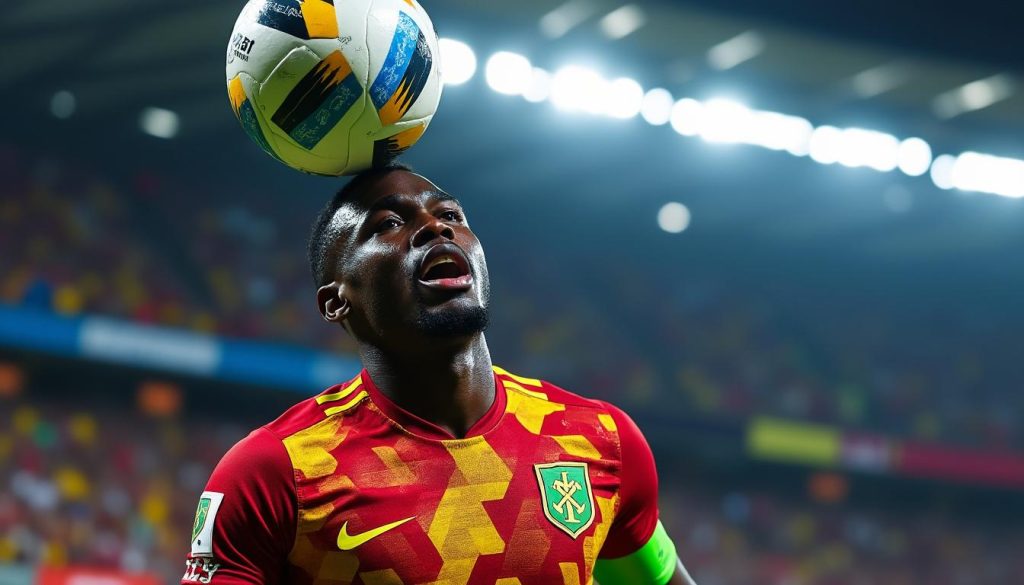
The upcoming FIFA World Cup in 2026, poised to be the largest ever with 48 teams competing across the United States, Mexico, and Canada, is shaping up to be a tournament full of surprises. African teams, long known for their passion and flair, are capturing global attention as dark horses with genuine chances to make deep runs this time around. With a fresh expansion of slots for African nations, this World Cup format provides a renewed platform for underdogs to emerge from the shadows and stake their claims among the world’s elite. From traditional powerhouses sharpened by experience to ambitious squads boasting a new generation of stars, Africa’s best value bets will not only look to participate but also to shake up pre-tournament predictions.
In a football world where the gap between established giants and so-called underdogs is shrinking, the 2026 World Cup offers a unique blend of tactical maturity, physical intensity, and unyielding team spirit. Whether you are a seasoned follower of soccer’s beautiful game or a fan hoping for a Cinderella story, the African teams at this tournament represent some of the most captivating stories to unfold on global grass. From Morocco’s historic semifinal appearance to emerging contenders armed with youthful zeal and European-league experience, these squads promise moments of exhilaration, strategic intrigue, and perhaps shock results that defy the odds.
African Teams Poised to Create Surprises in the 2026 World Cup Tournament
This World Cup marks a transformational moment for African teams, who now have nine slots guaranteed thanks to FIFA’s expanded tournament format. This increase broadens the spotlight and raises expectations for the continent. Historically, African teams have produced memorable runs, such as Senegal’s quarterfinal breakthrough in 2002 and Cameroon’s unexpected progress in 1990. Each iteration of the World Cup brings fresh hope that an African nation can push deeper into the knockout stages—and 2026 feels ripe for that possibility.
Morocco stands at the forefront of this wave. Their remarkable journey in the previous tournament, where they became the first African side to reach the semifinals, shattered stereotypes and set a benchmark. The team’s blend of tactical discipline, cohesive defense, and swift counter-attacking capabilities is underpinned by players excelling at top European clubs. This experience, combined with a motivated younger cohort, positions Morocco as an authentic contender for further surprises.
Senegal remains a compelling dark horse as well. Known for their explosive athleticism and strategic growth, they blend raw power with increasing tactical sophistication. With important players gaining consistent European club appearances, Senegal is evolving beyond flashiness into a well-rounded, tough-to-break unit. Their football culture thrives under pressure, and the emotional drive to succeed could well fuel an impactful tournament.
Other African candidates such as Nigeria and Egypt, provided they qualify, also offer considerable potential as best value bets. Nigeria, with forwards like Victor Osimhen and Samuel Chukwueze fueling offensive thrusts, can disrupt defenses with their pace and creativity. Egypt’s structural improvements under new coaching tactics offer a revived sense of coherence and ambition, blending domestic passion with international experience.
- Morocco’s renaissance reflects a golden generation with momentum to build on historic achievement.
- Senegal’s physical and tactical maturation makes them a consistent threat to top-tier squads.
- Nigeria’s attacking flair and youth development inject excitement and unpredictability.
- Egypt’s evolving squad balance could yield surprising group stage performances.
- South Africa and Ghana remain dark horses with their own tactical approaches and emerging talents.
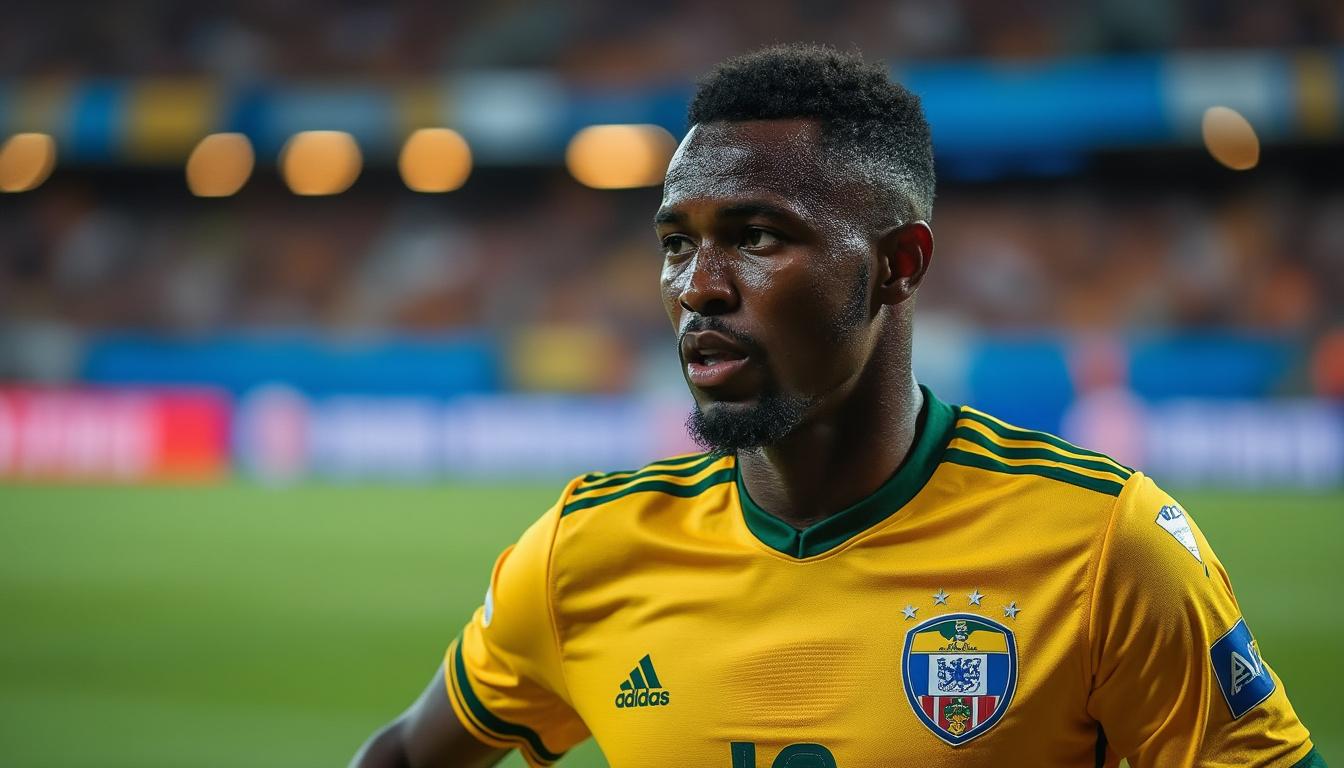
Why These African Dark Horses Could Defy Expectations and Make Deep Runs
Understanding why African teams are increasingly feared and respected requires delving into their evolution over recent years. The gap in infrastructure, tactical preparation, and international experience that used to separate African teams from traditional football heavyweights is narrowing significantly. No longer purely reliant on individual talent or sporadic bursts of brilliance, these teams emphasize disciplined team structures, strategic adaptability, and psychological resilience.
Take Morocco’s defense, for example. Their compact shape and precise timing in challenges stifled some of Europe’s most prolific attackers in the last World Cup. The leadership of experienced players such as Achraf Hakimi and Hakim Ziyech, combined with a tactical system honed under adept coaching, illustrates how they turned individual brilliance into collective strength. Their semifinal appearance wasn’t a stroke of luck; it was a product of preparation and belief.
Senegal’s advancement lies in their blend of athleticism and burgeoning tactical awareness. Their midfielders control tempo efficiently, while defenders maintain tight coordination. This balance means they no longer crumble under the pressure of elite competition but rather respond with decisiveness. Senegal’s team spirit, deeply rooted in national pride and perseverance, also provides an emotional edge valuable in high-stakes games.
Such advancements are not isolated to Morocco or Senegal. Nigeria, despite some historical inconsistencies, boasts one of the continent’s most lethal attack line-ups loaded with players competing in Europe’s biggest leagues. Their challenge remains defensive solidity and consistency, but with targeted improvements, they could upset many expectations. Similarly, Ghana and South Africa, both tactically versatile and armed with hungry emerging talents, are potential wildcards that could exploit tactical gaps of complacent opponents.
| Team | Key Strengths | Potential Stage | Notable Players |
|---|---|---|---|
| Morocco | Defensive solidity, counterattacks, cohesion | Semifinals | Achraf Hakimi, Hakim Ziyech |
| Senegal | Athleticism, tactical maturity, midfield control | Quarterfinals to Semifinals | Sadio Mané, Kalidou Koulibaly |
| Nigeria | Offensive aggression, youth talent | Round of 16 to Quarterfinals | Victor Osimhen, Samuel Chukwueze |
| Egypt | Organized structure, balanced squad | Group Stage to Round of 16 | Mohamed Salah, Ramadan Sobhi |
| South Africa | Versatility, emerging talent | Group Stage to Round of 16 | Percy Tau, Thembinkosi Lorch |
These teams’ ability to function cohesively, paired with refined strategies and influence from European football, encapsulates the rising standards of African soccer. The term “dark horse” no longer simply symbolizes underdogs but acknowledges teams ready to challenge the status quo with style and substance.
Impact of the Expanded World Cup Format on African Teams’ Best Value Bets
The 2026 tournament’s expansion from 32 to 48 teams has been a game-changer, especially for African countries. An additional three slots bring the African quota to nine, effectively guaranteeing more representation and greater exposure. This expansion is not merely beneficial in quantity but also encourages broader competitive opportunities and strategic risk-taking for teams traditionally overlooked.
More slots mean less pressure in qualifying phases, allowing teams to concentrate on building tactical cohesion and nurturing youth players instead of merely scraping through. Moreover, the expanded format’s new group structures increase the probability that African teams avoid immediate clash with multiple heavyweight opponents, allowing a more gradual tournament buildup.
This dynamic creates a fertile ground for value-driven bets on African squads that might not be favorites but present excellent odds given their potential upside. Exceptional examples include Morocco, who carry momentum from previous success, Senegal’s well-shaped roster, and Nigeria’s attacking potential paired with youthful energy.
These factors make African teams particularly appealing for soccer fans and bettors seeking to bet smartly on surprises and unexpected runs. They fuse honest teamwork with raw talent, making their performances difficult to predict but exciting to watch and analyze. The combination of physicality, strategy, and emotional grit could translate into better-than-expected results under the right circumstances.
Additionally, the tournament being co-hosted within North America allows some African teams easier logistical conditions, less travel fatigue, and sometimes comparable climates, balancing the playing field. Such factors are important to consider when assessing the best value bets in an extended World Cup format.
List of African Teams and Their 2026 World Cup Prospects
- Morocco: A semifinal contender with a golden generation and tactical discipline.
- Senegal: Athletic and tactically growing, poised to reach quarterfinals or beyond.
- Nigeria: Youthful, attacking flair with a chance for knockout stage advancement.
- Egypt: Balanced, experienced, with potential to surprise in group stages.
- South Africa: Tactical versatility offers wildcard potential.
- Ghana: Emerging talents combined with historical ambition bring dark horse possibilities.
- Cameroon: Known for resilience, aiming to reclaim African honor on the global stage.
- Algeria: Tactical growth and experienced core could yield breakthroughs.
- Mali: Rising force with young prospects giving hope for competitive group performances.
Exploring Key Players and Tactical Approaches Among African Underdogs
A closer look at the players and style of African dark horses reveals intriguing varieties of approach reflective of their footballing cultures and evolutions. Morocco leverages a well-drilled, pragmatic defense combined with rapid transitions catalyzed through wingers like Hakimi, providing lethal counterattacks. Senegal integrates the physical intensiveness of Sadio Mané and Kalidou Koulibaly’s defensive mastery to create a balance between offense and defense.
For Nigeria, the hallmark is speed and unpredictability in attack, driven by Osimhen’s clinical finishing and Chukwueze’s creative wing play. Egypt’s strategy balances creative midfield orchestration centered on Mohamed Salah with solid defensive frameworks. These teams demonstrate that African soccer is not just expressive flair but well-rounded, competitive, and increasingly strategic.
The presence of players competing regularly in Europe is a significant factor in elevating tactical awareness, fitness, and professionalism. These experienced performers act as leaders both on and off the pitch, enhancing team morale and tactical discipline.
- Morocco: Structured defense + fast wing play
- Senegal: Physical control + technical skill
- Nigeria: Speed + aggressive offense
- Egypt: Creativity + defensive balance
- South Africa & Ghana: Versatile and dynamic tactical setups
Understanding these tactical nuances allows fans and analysts to appreciate the depth and potential of African teams in the global tournament. These squads, though sometimes underestimated, combine passion with professionalism, making their matches thrilling encounters and their stories compelling narratives in the World Cup saga.
Frequently Asked Questions About African Teams and Their 2026 World Cup Chances
As the 2026 World Cup approaches, betting enthusiasts are turning their attention to African teams, which have historically been a mix of surprises, dark horses, and value picks. With several promising squads showing great potential, the tournament promises exciting opportunities for bettors looking to capitalize on underdog success stories and emerging talents. For a detailed analysis and expert insights on which African teams to watch and bet on in 2026, Click here.
{“@context”:”https://schema.org”,”@type”:”FAQPage”,”mainEntity”:[{“@type”:”Question”,”name”:”What makes a team a ‘dark horse’ in the World Cup?”,”acceptedAnswer”:{“@type”:”Answer”,”text”:”A dark horse is a team that isn’t widely expected to succeed but has the talent, tactical discipline, and momentum to cause significant upsets or even reach late stages in the tournament.”}},{“@type”:”Question”,”name”:”How many African teams will participate in the 2026 World Cup?”,”acceptedAnswer”:{“@type”:”Answer”,”text”:”Thanks to the expansion, there will be nine African teams competing, the highest number ever in World Cup history.”}},{“@type”:”Question”,”name”:”Can African teams realistically challenge traditional football powerhouses?”,”acceptedAnswer”:{“@type”:”Answer”,”text”:”Absolutely. With rising tactical quality, physical preparation, and experience gained from European leagues, African teams are narrowing the gap and capable of surprising even the most established teams.”}},{“@type”:”Question”,”name”:”Why are African teams considered good value bets for this tournament?”,”acceptedAnswer”:{“@type”:”Answer”,”text”:”The combination of motivated squads, evolving tactical sophistication, and relatively attractive odds in betting markets makes African teams compelling prospects for bettors who seek high reward-to-risk ratios.”}},{“@type”:”Question”,”name”:”Where can I find expert analyses on betting for African teams in the World Cup?”,”acceptedAnswer”:{“@type”:”Answer”,”text”:”Click here to find expert opinions, surprises, dark horses, and value picks for betting on African teams at the 2026 World Cup.”}}]}What makes a team a ‘dark horse’ in the World Cup?
A dark horse is a team that isn’t widely expected to succeed but has the talent, tactical discipline, and momentum to cause significant upsets or even reach late stages in the tournament.
How many African teams will participate in the 2026 World Cup?
Thanks to the expansion, there will be nine African teams competing, the highest number ever in World Cup history.
Can African teams realistically challenge traditional football powerhouses?
Absolutely. With rising tactical quality, physical preparation, and experience gained from European leagues, African teams are narrowing the gap and capable of surprising even the most established teams.
Why are African teams considered good value bets for this tournament?
The combination of motivated squads, evolving tactical sophistication, and relatively attractive odds in betting markets makes African teams compelling prospects for bettors who seek high reward-to-risk ratios.
Where can I find expert analyses on betting for African teams in the World Cup?
Click here to find expert opinions, surprises, dark horses, and value picks for betting on African teams at the 2026 World Cup.