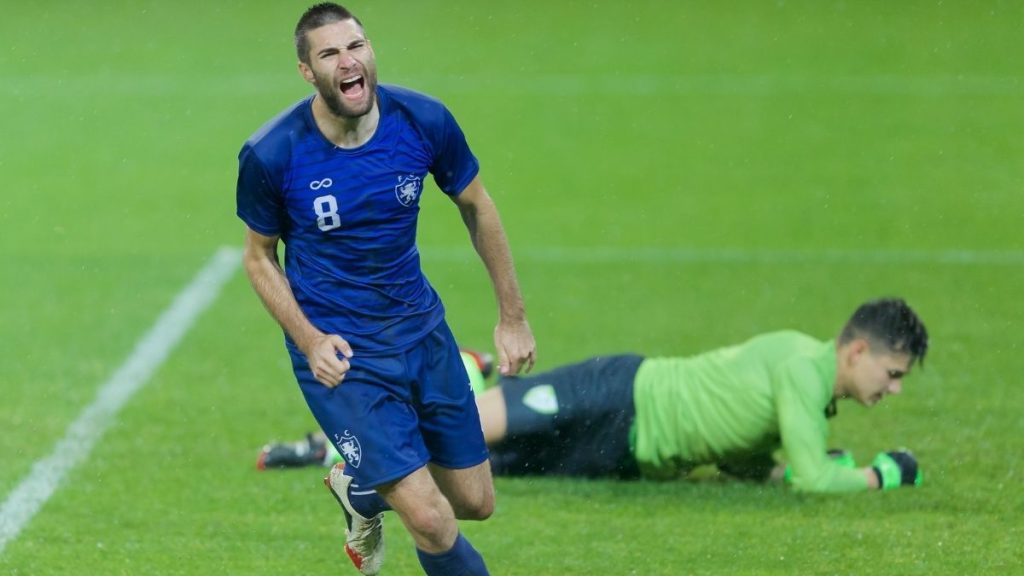
Sevilla’s commanding 4-1 victory against Barcelona at the Estadio Ramón Sánchez Pizjuán sent shockwaves through La Liga in 2025. Breaking a decade-long winless streak against the Catalan giants, Sevilla didn’t just earn three points — they dismantled Barcelona’s defense with a masterclass in tactical execution and physical intensity. The encounter stood as a vivid reminder of how precise game management, strategic coaching insights, and a relentless attacking strategy can expose even the most prestigious defensive setups. This tactical breakdown explores the nuanced football tactics Sevilla employed, key moments that shaped the match, and the defensive weaknesses Barcelona could not conceal.
In brief:
- Sevilla ended their 19-game winless streak versus Barcelona with an impressive 4-1 victory.
- Matías Almeyda’s switch to a 4-3-3 formation allowed intense pressing and numerical superiority in midfield.
- Barcelona’s defensive weaknesses, particularly in handling wide attacks, were ruthlessly exploited.
- Multiple moments of individual brilliance, offset by Barcelona’s finishing struggles, defined the match.
- The victory drastically shifts the La Liga title race and forces Barcelona to reassess their defensive and tactical approaches.
- Match Breakdown and Key Tactical Adjustments
- Midfield Domination: How Sevilla Controlled the Central Areas
- Exploiting Defensive Weaknesses: Barcelona’s Fragile Backline
- Attacking Strategy That Broke Barcelona’s Shape
- Game Management and Coaching Insights from Both Sides
Match Breakdown and Key Tactical Adjustments Between Sevilla FC and Barcelona Defense
The match at the Sánchez Pizjuán was a remarkable showcase of how Sevilla FC’s tactical preparation framed their success against Barcelona. Matías Almeyda’s decision to abandon his typical 3-4-3 formation in favor of a 4-3-3 reshaped the dynamics of the game. This shift enhanced Sevilla’s midfield press, enabling them to neutralize Barcelona’s creative fulcrums, such as Pedri and De Jong, thereby destabilizing the visitor’s possession-based play style.
Sevilla’s new shape focused on compactness and rapid recovery of space, demonstrated by the strenuous efforts of midfielders Agoume, Mendy, and Sow. This midfield trio outnumbered Barcelona’s central players during critical phases, disrupting passing lanes and forcing hasty decisions. This aspect aligns with the broader theme explored in tactical analysis, emphasizing the importance of disrupting playmakers through man marking and positional aggression (tactical analysis of man marking playmakers).
The tactical shift wasn’t just about pressing — it was about stretching the field horizontally. Sevilla’s wide players, Vargas and Sánchez, actively provided width. They consistently forced Barcelona’s defense into uncomfortable lateral movements, pulling them out of position to create lethal channels for cutbacks and crosses.
Barcelona’s reliance on a narrow playing style was met with a defensive wall that adapted fluidly. Their inability to diversify starting attacks either centrally or through the flanks became an Achilles’ heel, a phenomenon often scrutinized when analyzing football tactics concerning defensive organization (compact defenses and width challenges).
Key tactical elements observed in the match:
- Sevilla’s switch to 4-3-3 providing numerical superiority in central midfield.
- High-intensity pressing preventing Barcelona from building rhythm.
- Use of wide players to stretch and disorganize Barcelona’s backline.
- Sevilla’s robust defensive compactness, especially during transitions.
- Targeted man marking to restrict Barcelona’s key playmakers.
| Minute | Event | Impact on Tactical Flow |
|---|---|---|
| 13′ | Alexis Sánchez scored penalty | Set the tone for aggressive Sevilla pressing and forced Barcelona onto the back foot. |
| 36′ | Isaac Romero scored from wide cross | Exposed Barcelona’s high defensive line and vulnerabilities on wide coverage. |
| 45+7′ | Marcus Rashford volleyed for Barcelona | Brought hope to Barcelona but was a rare moment of offensive fluency. |
| 76′ | Lewandowski missed penalty | Critical moment where Barcelona failed to capitalize, enabling Sevilla to maintain control. |
| 90′ and 90+6′ | Goals by Carmona and Adams | Sealed comprehensive victory, showcasing excellent transition and game management. |
Midfield Domination: How Sevilla Controlled the Central Areas to Break Down Barcelona’s Defense
One pivotal factor underpinning Sevilla’s success was their unrivaled dominance of midfield spaces. In the realm of football tactics, the midfield often serves as the battleground where matches are won or lost. Sevilla’s midfield trio — Agoume, Mendy, and Sow — executed a flawless plan to suffocate Barcelona’s rhythm and creativity.
By outnumbering Barcelona’s midfield setup through intense pressing and smart positioning, Sevilla effectively cut off the supply line to Barcelona’s attacking units. This approach also involved tactical fouling and rapid transition to a high defensive line to keep Barcelona off balance, a strategy resonating with principles found in advanced pressing systems.
The orchestrated midfield pressure led to the following advantages:
- Ball Recovery Efficiency: Sevilla’s midfielders recorded numerous ball recoveries, disrupting Barcelona’s flow and allowing quick counters.
- Numerical Superiority: Domination in the center resulted in more passing options, enabling effective build-ups.
- Forcing Errors: Barcelona players were coerced into rushed passes or turnovers, unable to settle possession.
Sevilla’s midfield also meticulously balanced defensive duties with launching attacks. The introduction of veteran Ever Banega during the game added a new dimension with his link-up play and precise passing, a classic example of exploiting a midfield pivot to control game tempo and space. Such adaptation highlights how coaching insights and in-game adjustments critically define performance.
| Midfielder | Key Contributions | Impact |
|---|---|---|
| Moussa Sow | High pressing and interceptions | Disrupted Barcelona’s buildup and forced turnovers |
| Agoume | Efficient distribution and assists | Launched quick counterattacks capitalizing on gaps |
| Ferland Mendy | Ball recoveries and defensive positioning | Maintained defensive solidity, blocking passing lanes |
| Ever Banega (sub) | Control and tempo management | Enhanced midfield creativity and connected play |
The ability to dictate midfield rhythm not only suffocated Barcelona’s attacking build-up but also provided the platform for Sevilla’s swift, clinical attacks, making it evident how crucial midfield control is in dismantling a top-tier defense.
Exploiting Defensive Weaknesses: How Sevilla FC Targeted Barcelona’s Backline Vulnerabilities
Barcelona’s defense is traditionally known for its structure and composure, but Sevilla identified and ruthlessly exploited several defensive weaknesses during this crucial clash. Noticeably, the high defensive line and lack of cover in wide defensive areas were glaring issues that Sevilla leveraged throughout the match.
Sevilla’s attacking players deliberately targeted the flanks, where fullbacks Jordi Alba and Nelson Semedo struggled with defensive recovery and positioning. Veterans like José Ángel Carmona frequently overlapped, delivering precise crosses and supporting quick transitions. Such attacking strategy exposed the gaps behind Barcelona’s defensive width and forced the center-backs into uncomfortable one-on-one battles on the counter.
Barcelona’s defensive struggles can be linked to broader tactical dilemmas faced by teams relying on a compact central defense but lacking lateral coverage — a recurring theme in football analysis (study of center defensive systems). Their inability to adjust quickly to Sevilla’s width usage further enhanced Sevilla’s chances. The result was: high-pressure scenarios, reckless clearances, and incorrect positioning under duress.
- Consequences of a High Defensive Line: Vulnerable to balls played over or behind, as shown by Isaac Romero’s goal following Vargas’ expertly timed cross.
- Lack of Defensive Depth: Limited midfielders dropping deep to shield the backline increased susceptibility to rapid ways around their defense.
- Individual Errors: Ronald Araujo’s early penalty conceded due to a mistimed challenge disrupted Barcelona’s defensive morale.
Barcelona’s missed penalty by Robert Lewandowski highlighted the psychological strain on an unsettled defense and the challenges attackers faced converting limited chances generated from a fragile backline. Sevilla’s defensive resilience combined with their aggressive tactics pierced through Barcelona’s confidence, turning the match decisively in their favor.
| Defensive Aspect | Issue Observed | Effect on Match Outcome |
|---|---|---|
| High Line Defensive Strategy | Exposed to balls behind defensive line | Isaac Romero exploited space for a key goal |
| Weak Flank Cover | Fullbacks left isolated during quick breaks | Sevilla’s wide players continuously breached defensive zones |
| Individual Defensive Mistakes | Penalty conceded due to reckless challenge | Conceded early goal, shifted momentum to Sevilla |
Attacking Strategy That Broke Barcelona’s Shape: Sevilla FC’s Precision and Creativity
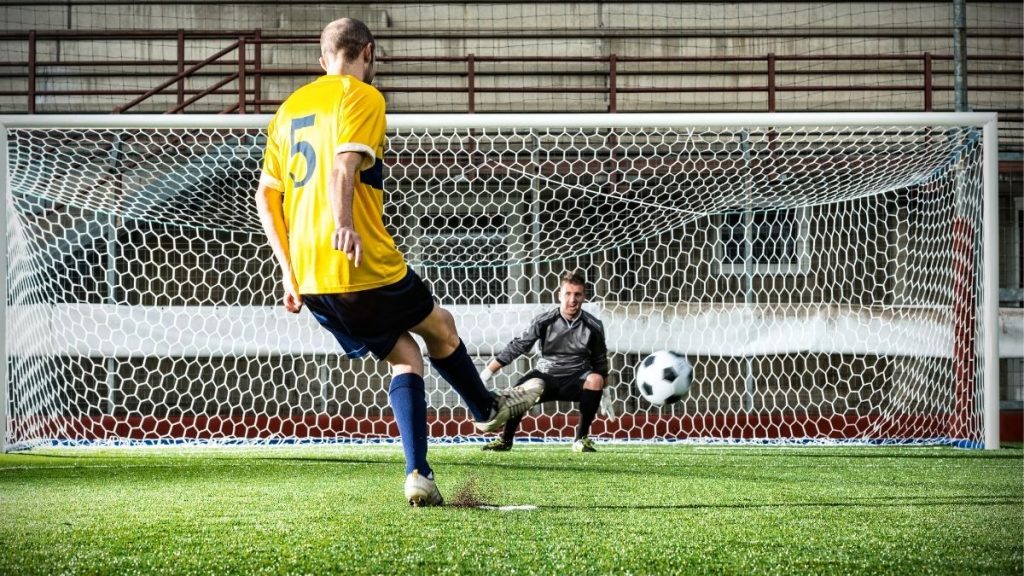
Sevilla’s attacking strategy was as methodical as it was effective. Combining quick transitions with well-orchestrated wing play, they offloaded the defensive burden from their midfield and launched multiple incisive attacks against Barcelona’s defense. Their attacking success stemmed from a smart understanding of Barcelona’s defensive tendencies and employing patient build-up to exploit those.
The use of pacey wingers — Vargas and Sánchez — ensured continuous threat down the flanks. Their ability to stretch Barcelona’s backline created pockets of space centrally for forwards like Isaac Romero, while overlapping runs by José Ángel Carmona added further overloads in attacking phases. The contrast in attacking rhythm between Sevilla and Barcelona revealed why Sevilla’s forwards were sharp and clinical while Barcelona’s finishing suffered.
Barcelona’s xG (expected goals) of 2.10 contrasted starkly with their sole goal, revealing a clinical deficiency exacerbated by Sevilla’s precise defensive focus. The missed penalty by Lewandowski underscored this finishing downfall, while Sevilla imprinted their attacking identity with relentless forward pressure, excellent positioning, and individual moments of brilliance.
Elements of Sevilla’s attacking tactics:
- Quick Counterattacks: Transitioning from defense to attack at pace disrupted Barcelona’s organization.
- Wide Player Exploitation: Overloading and stretching defenders created critical open spaces.
- Overlapping Fullbacks: Carmona’s intelligent forward runs supplied additional attacking width.
- Precision Crossing: Delicate delivery from wings led to accurate finishing opportunities.
- Mental Resilience: Clinical finishing on key moments showed strong composure under pressure.
| Attacker | Contribution | Impact |
|---|---|---|
| Isaac Romero | Clinical finishing and intelligent movement | Scored after wide cross exploiting defensive gaps |
| José Ángel Carmona | Overlapping runs and precise crossing | Contributed to attacking width and scoring |
| Alexis Sánchez | Composed penalty conversion | Set momentum early and enabled tactical pressing |
| Akor Adams | Fast-break finisher | Completed scoring, confirming dominance |
This multi-layered attacking approach left Barcelona’s defense overextended and scrambling, highlighting the importance of integrating tactical intelligence with physical execution to dismantle top-tier opposition.