
The Africa Cup of Nations (AFCON) 2025 is shaping up to be one of the most thrilling iterations of the continental football showdown. With Morocco hosting the event for the first time since 1988, anticipation is mounting among football fans and pundits alike, eager to see which nation will seize the coveted title. The tournament’s timing from December 21, 2025, to January 18, 2026, sets it apart, with teams gearing up for an intense display of talent and strategy across multiple stadiums in Morocco. Though some traditional powerhouses like Ghana will be absent, the competition remains fierce with groups that promise nail-biting encounters and a showcase of Africa’s finest football talent. Social media buzz, expert analyses, and betting markets all have their favorites, but the true test will be how the teams perform on the pitch under the fervent support of home fans and the watchful eyes of millions worldwide.
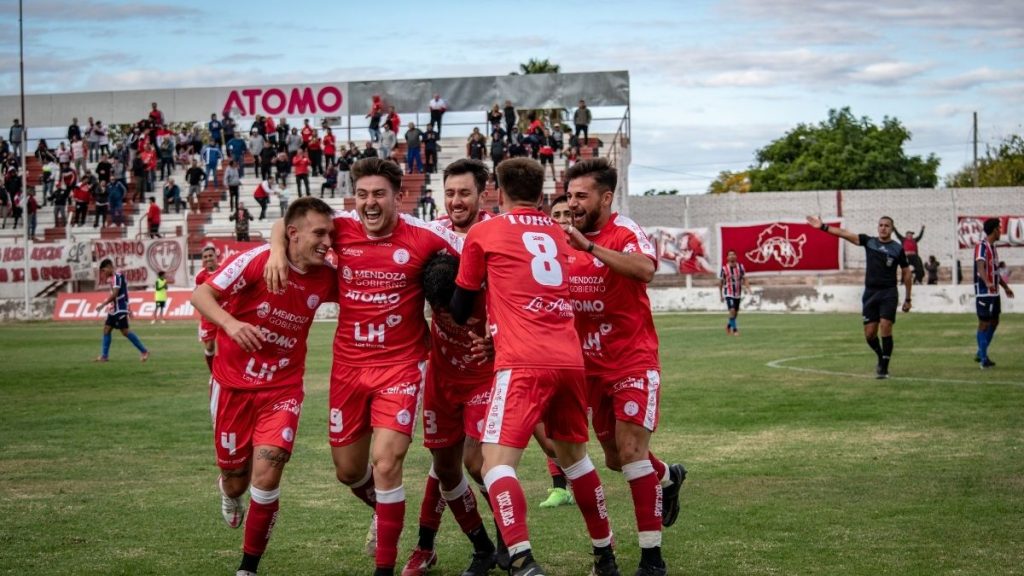
Analyzing the Key Contenders for AFCON 2025 Favourite Spot
When discussing the front-runners for the upcoming Africa Cup of Nations, several national teams naturally emerge as favorites due to their historical success, recent form, and squad depth. In particular, Morocco, Nigeria, Ivory Coast, and Senegal stand out prominently. These teams boast talented rosters with players performing at elite levels, both domestically and in top European leagues.
Morocco: Home Advantage and World Cup Momentum
Morocco enters AFCON 2025 with significant advantages. As hosts, they possess the benefits of familiar climate, passionate support from local fans, and the elimination of travel fatigue that plagues visiting teams. The Atlas Lions impressed the globe with their remarkable run to the semifinals of the 2022 FIFA World Cup, marking the best-ever performance by an African team in the tournament’s history. This achievement has galvanized Moroccan football, boosting confidence and cohesion within the squad.
Key players like Achraf Hakimi and Hakim Ziyech offer creativity and experience in attack, while the tactical acumen of coach Walid Regragui strengthens the team’s structure. Morocco’s placement in Group A alongside Comoros, Gabon, and Ghana’s absence opens up opportunities for a dominant group stage performance. Their efforts to retain the AFCON title (last won in 1976) will be fueled by an electric atmosphere in stadiums such as the Stade Mohammed V in Casablanca and the Grand Stade de Marrakech.
Nigeria: Building on Past Near-Success
The Super Eagles of Nigeria are well-known AFCON veterans and came close to clinching the title in 2023, finishing as runners-up. This near miss has sharpened their hunger to secure their fourth AFCON championship. With a squad led by lethal striker Victor Osimhen, Nigeria’s offensive threat is daunting. Their group matches against Tunisia, Uganda, and Tanzania present a good mix of challenge and opportunity for the Eagles to solidify their gameplay.
Nigeria’s squad texture, with a blend of experienced campaigners and emerging stars, complemented by training facilities and technical staff committed to excellence, uplifts their chances dramatically. The continued partnership with global brands like Nike and Adidas helps the team stay at the forefront of performance gear and apparel, optimizing player potential on field.
Ivory Coast: Champions Eyeing Back-to-Back Titles
Ivory Coast enters AFCON 2025 as the defending champions, having clinched the 2023 title in a hard-fought final against Nigeria. Their campaign was marked by disciplined defense and pragmatic attack, making them a formidable opponent. The Elephants face stiff competition in Group F alongside Cameroon, Gabon, and Mozambique.
Their squad features influential players such as Nicolas Pépé and Franck Kessié, adding flair and strength in midfield and attack. The leadership of coach Patrice Beaumelle is vital to maintaining the team’s tactical equilibrium. Additionally, the team benefits from partnerships with brands like Puma and Under Armour, ensuring cutting-edge equipment and training wear to maximize athletic performance.
Senegal: A Rising African Powerhouse
Senegal is among the biggest AFCON challengers, with a reputation steadily climbing after their 2021 AFCON win and a quarterfinal appearance at the 2022 World Cup. Boasting talents like Sadio Mané, Kalidou Koulibaly, and Idrissa Gueye, the Lions have a blend of experience and resilience.
Set to compete in Group D with DR Congo, Botswana, and Benin Republic, Senegal’s tactical flexibility and mental toughness equip them for the high-pressure knockout stages. The team’s collaboration with manufacturers like New Balance and Kappa provides top-tier kits and training gear, complementing the team’s professional approach to match preparation and recovery.
| Team | Key Players | Group | Strengths | Challenges |
|---|---|---|---|---|
| Morocco | Achraf Hakimi, Hakim Ziyech | A | Home advantage, World Cup confidence, tactical discipline | Pressure of expectations, strong group rivals |
| Nigeria | Victor Osimhen | C | Attacking prowess, squad depth | Consistency, defensive solidity |
| Ivory Coast | Nicolas Pépé, Franck Kessié | F | Defending champions, tactical balance | Strong group with Cameroon |
| Senegal | Sadio Mané, Kalidou Koulibaly | D | Resilience, experience, tactical flexibility | High knockout pressure |
Impact of Group Draws and Match Fixtures on AFCON 2025 Predictions
The group stage draw is a critical turning point that shapes the trajectory for each team in AFCON 2025. The format involves 24 teams divided into six groups, from which group winners, runners-up, and the four best third-placed teams will proceed to the knockout rounds. The distribution of teams across the groups determines initial match difficulty and players’ physical and mental readiness.
Group A: Morocco Leads with Home Support
Group A, featuring the host nation Morocco, Comoros, Gabon, and a weakened Ghana side notably missing due to failure to qualify, seems poised for Morocco to dominate. Gabon, inspired by Pierre-Emerick Aubameyang’s leadership, could provide stiff resistance, but Morocco’s home atmosphere will likely tip the scale. The group’s dynamics also highlight the crowd’s crucial role in swaying match results, with players often drawing strength from fan energy.
Group C: Traditional Rivals and Emerging Tensions
Nigeria’s Group C includes previous AFCON foes Tunisia, alongside Uganda and Tanzania, co-hosts for the 2027 edition. This cluster offers enticing matchups and wildcards. The presence of Tanzania and Uganda allows East African football to showcase growth, mobilizing home-region enthusiasm and signaling a shift in African football’s power balance.
High-Stakes Groups B and F
Group B is loaded with southern African teams South Africa, Angola, and Zimbabwe facing Mohamed Salah’s Egypt. Fans eagerly anticipate these regional clashes, blending rivalry and respect, with Egypt frequently favored to advance deep into the tournament thanks to Salah’s goal-scoring brilliance.
Group F sees defending champions Ivory Coast clashing with contenders Cameroon, Gabon, and Mozambique. Cameroon’s star forwards Vincent Aboubakar and Bryan Mbuemo pose serious tactical challenges, making this group a true “Group of Death”.
How Fixture Scheduling May Influence Outcomes
Match date distribution within the December-January window affects team recovery time and preparation quality. Some groups, facing tight schedules, may see player fatigue influencing key knockout matches. Coaches’ strategic planning and substitution management under this condensed timetable add complexity to predictions.
- Teams in groups with more balanced competition may experience tougher early matches but arrive sharpened for knockouts.
- Hosts Morocco’s schedule is optimized for rest and peak performance in knockout stages.
- Groups with physical rivalry may see more injuries affecting later stages.
The Role of Social Media and Fan Predictions in Shaping AFCON 2025 Expectations
The proliferation of social media platforms has transformed how football fans engage with tournaments like AFCON. Ahead of the 2025 competition, platforms such as Twitter, Instagram, and Facebook have become hotbeds for passionate debate, expert analyses, and viral predictions. Fans digitally rally behind their countries, creating vibrant atmospheres and amplifying expectations.
Fan Voices and Team Support on Social Media
Users like @Trigger_Faku express faith in South Africa’s Bafana Bafana to reach the final and even claim victory, reflecting growing faith in the nation’s football renaissance. Meanwhile, Nigerian supporters such as @greennaijaa and @Joyifumi demonstrate unwavering convictions about the Super Eagles’ title chances. Moroccan users show confidence that the trophy will “stay in Morocco,” emphasizing home pride.
These fan narratives contribute to building momentum and confidence for teams. Coaches and players often tap into these digital waves to motivate their squads. Social media also exposes teams to greater scrutiny, pushing for higher accountability and performance intensity.
Influence of Social Engagement on Betting Markets and Sponsors
High fan engagement on social media directs attention from sponsors like Umbro, Castore, and Airness, who invest in brand visibility through kit partnerships and promotional campaigns at AFCON. Betting companies monitor social buzz, adjusting odds in real time.
- Increased fan following correlates with more lucrative sponsorship deals.
- Online discussions spur heightened betting activity and bookmaker competition.
- Social media trends predict potential dark horse teams, influencing odds.
Betting Insights and Strategies for the Africa Cup of Nations 2025
With AFCON 2025 promising highly competitive matchups, punters are keen to capitalize on opportunities to stake smart bets. Given the tournament’s unpredictability, a strategic approach can improve success rates considerably.
Targeting Front-Runners and Dark Horses
While favorites like Morocco, Nigeria, Ivory Coast, and Senegal are primary targets for wagers, bettors should keep an eye on potential surprises. Teams such as Egypt, Algeria, and South Africa possess the quality to disrupt expectations and offer value bets.
Choosing Reputable Betting Platforms
Maximizing a betting experience involves selecting trustworthy sportsbooks with competitive odds, user-friendly interfaces, and robust customer support. Fans interested in football betting can get comprehensive guidance on options at resources like football streaming and betting guides or subscription services for live football coverage.
Betting on Individual Awards and Match Events
Placing bets on individual achievements, such as the Golden Boot or Best Player awards, can prove fruitful. Mohamed Salah, currently among the top scorers globally, is a prime candidate for such honors. Wagering on key match events like first goal scorer or clean sheets adds layers of excitement and potential returns.
- Do your research: Study squad form, injuries, and coaching strategies.
- Manage your bankroll: Allocate budget wisely and avoid impulsive bets.
- Follow expert tips and statistical analyses to refine betting selections.
Stadiums and Infrastructure: Morocco’s Readiness for AFCON 2025
Hosting the Africa Cup of Nations demands extensive infrastructure and stadium preparation to deliver a world-class spectator experience and optimal conditions for players. Morocco’s commitment to this is evident through its selection of premier venues across several cities.
List of Key Stadiums Hosting AFCON 2025 Matches
- Complexe Sportif Prince Moulay Abdellah, Rabat
- Stade Mohammed V, Casablanca
- Complexe Sportif de Fes, Fes
- Stade El Barid, Rabat
- Grand Stade de Marrakech, Marrakech
- Grand Stade de Tanger, Tangier
- Grand Stade d’Agadir, Agadir
The stadiums are equipped with modern facilities meeting CAF requirements, ensuring safety, fan comfort, media accommodations, and excellent playing surfaces. Morocco’s success in hosting the tournament again will hinge on logistical efficiency, security management, and fostering a vibrant fan environment.
| City | Stadium Name | Seating Capacity | Notable Features |
|---|---|---|---|
| Rabat | Complexe Sportif Prince Moulay Abdellah | 53,000 | Modern lighting and VIP amenities |
| Casablanca | Stade Mohammed V | 67,000 | Historical venue with electric atmosphere |
| Marrakech | Grand Stade de Marrakech | 45,000 | Advanced pitch technology |
| Tangier | Grand Stade de Tanger | 40,000 | Close proximity to major transport hubs |