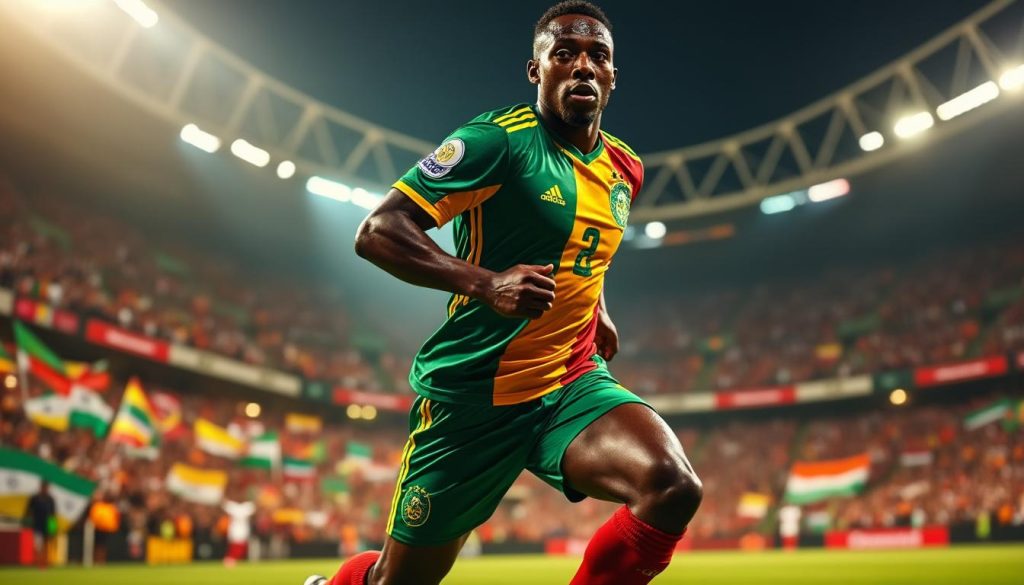
The Africa Cup of Nations (AFCON) 2025 is set to captivate audiences across the continent and worldwide, as football giants and determined challengers converge in Morocco to contest the prestigious title. The tournament unfolds with heightened anticipation following Morocco’s stellar 2022 World Cup semifinal appearance and the evolving tactical innovations seen during recent qualifying matches and warm-up games. As the continent’s best teams refine their soccer strategy and squad structures, the competitive atmosphere sharpens, highlighting subtle tactical adjustments designed to secure an edge amid fierce competition.
Veteran powerhouses such as Morocco, Senegal, Egypt, and Ivory Coast are adapting to new demands, striving to blend legacy with innovation. Meanwhile, emerging teams leverage youthful exuberance and disciplined formations to unsettle established favorites. This dynamic interplay of history, modern coaching insights, and on-field player brilliance promises exhilarating match analysis opportunities for fans and analysts alike as the tournament favorites calibrate their approach to claim African football supremacy.
Among the intriguing facets shaping AFCON 2025 are the strategic deployments by coaches focusing on flexibility in team formations, pressing efficiency, and defensive solidity. These elements emerge in response to evolving opposition styles, player injuries, and logistical challenges posed by Morocco’s diverse host cities. Monitoring these tactical shifts and how key players perform will be critical to understanding which teams wield a true competitive edge in Africa’s showcase football event.
Key points summarizing AFCON 2025’s tactical landscape include:
- Historical favorites adapting their tactical frameworks to combine experience with modern pressing and transition play.
- Emerging teams deploying disciplined, flexible formations to capitalize on opponents’ vulnerabilities.
- The impact of player injuries and recovery on squad dynamics and coaching decisions.
- Influence of Morocco’s home advantage and climate diversity shaping strategies and match outcomes.
- Growing importance of veteran leadership in balancing youthful energy on the pitch.
Historic AFCON Giants: Balancing Tradition with Tactical Innovation for 2025 Victory
Teams with rich AFCON histories confront the challenge of sustaining dominance while integrating fresh tactical ideas. Egypt, Africa’s most decorated team with seven titles, is navigating a period of tactical evolution under new coaching. Having been runners-up twice recently, the Pharaohs focus on intensifying their pressing game, shifting from a traditional possession-based style to a high-energy disruptor, designed to unsettle opponents early and regain control.
Senegal’s blend of European-honed athleticism and tactical balance epitomizes modern African football’s apex. With veterans like Sadio Mané and rising stars such as Nicolas Jackson, Senegal integrates rapid transitional play with disciplined defensive organization. This balance evidences how team formations are evolving to maximize both individual brilliance and collective coherence, a hallmark of tournament favorites vying for their second consecutive AFCON title.
Morocco’s remarkable 2022 FIFA World Cup run provided both confidence and a tactical benchmark. Head coach Walid Regragui continues to refine the Atlas Lions with a focus on a compact defensive block combined with quick counterattacks, centered around key players like Achraf Hakimi and Brahim Díaz. Their home ground advantage introduces an additional dimension—familiar environments encourage bold strategies but also add pressure to deliver results.
Ivory Coast’s defending champions arrive rejuvenated but mindful of the transitional phase between generations. Their approach emphasizes ruthless effectiveness in closing out tight matches, leveraging a squad that combines youthful talents like Amad Diallo with experienced leaders. Tactical flexibility remains essential, especially when facing unpredictable group stage opponents.
These historical powers are carefully calibrating tactical adjustments, as demonstrated in their recent matches and training sessions. Coaches focus on blending pressing triggers adapted to player stamina and detailed opposition scouting. Their strategic planning reflects a keen understanding of how subtle variations in coaching decisions can tip the balance in a contest defined by small margins.
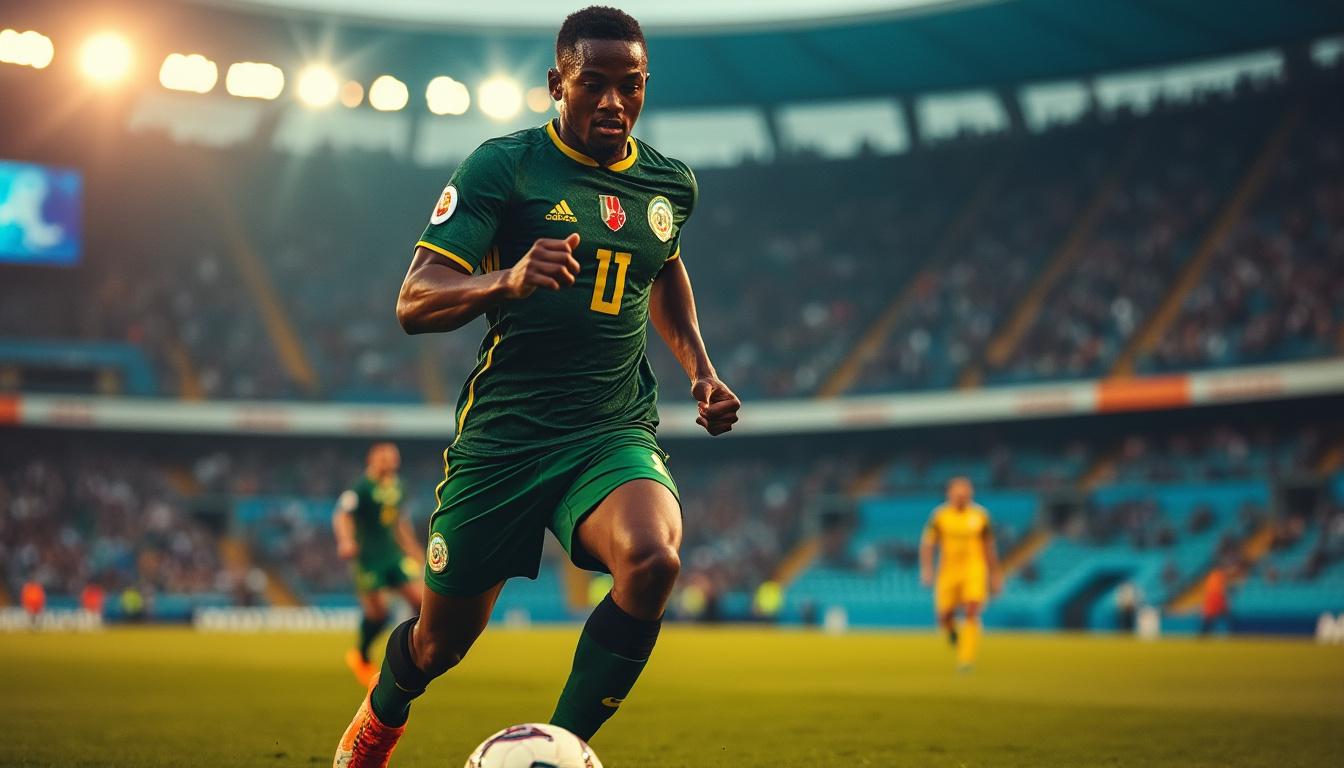
Tactical Evolution and Squad Development Shaping AFCON 2025’s Competitive Edge
The current AFCON landscape reflects marked tactical evolution, influenced by global football trends and African styles. Teams combine high pressing with positional fluidity, placing emphasis on swift transitions and efficient ball circulation. A key tactical trend is deploying a high defensive line counterbalanced by a deep-reactive block to capture space and launch rapid counters.
Squad development focuses on integrating European-trained talents with emergent domestic stars. For instance, Nigeria fields a squad brimming with raw talent, including Premier League standout Victor Osimhen, whose form will heavily influence their progression. However, their preparations were disrupted by off-field issues, underscoring how organisational stability is essential to tactical success.
Mali and Burkina Faso exemplify squads combining youthful energy and tactical discipline. Mali’s midfielders like Yves Bissouma and Mohamed Camara represent the tournament’s rising talent pool, expected to press opponents aggressively while retaining positional awareness. Burkina Faso leverages physicality and team chemistry to execute direct play effectively. These teams’ strategic approaches highlight how varied styles coexist in today’s AFCON, increasing unpredictability.
Climatic and logistic factors across Morocco’s venues ranging from Marrakesh to Tangier require adaptable game plans. Teams mindful of altitude and temperature changes adjust player workload and tactical tempo, showcasing coaching acumen beyond mere formations. This holistic approach underlines how player performance hinges not only on technique but physical and psychological management throughout the tournament.
Illustrative list of prominent tactical trends emerging:
- Dynamic pressing schemes tailored to squad endurance, enabling adaptable intensity by match phase.
- Use of wide overloads and quick interchanges to destabilize opposing defenses.
- Deeper defensive lines triggering counters via precise vertical passing.
- Incorporation of veteran players as tactical anchors to manage game tempo and composure.
- Adjusting formations between 4-4-2 and 4-3-3 according to opponent strengths and match context.
Analyzing strategic shifts through real match examples enhances understanding of these trends, with experts noting the impact of pre-tournament warm-ups in refining tactical adjustments ahead of AFCON 2025’s kickoff.
Group Stage Dynamics: Early Battles Reveal Fate of Tournament Favorites
The group stage is a critical phase, where early match analysis unveils how various tactical models withstand pressure. Morocco, in Group A, confronts Mali, Zambia, and Comoros, with Mali’s disciplined midfield threatening to upset the host nation’s rhythm. South Africa, a rising contender in Group B, leverages strong teamwork and domestic league cohesion to challenge Egypt’s historical dominance.
Group C mixes Nigeria’s attacking firepower with Tunisia’s defensive rigor, while Group D sees Senegal’s balanced squad face DR Congo’s physical approach and Benin’s organized defense. Algeria and Burkina Faso in Group E promise competitive fixtures fueled by contrasting styles, and Group F’s blend of Ivory Coast’s flair and Cameroon’s traditional power sets the stage for intense clashes.
Table showcasing key group stage elements and potential tactical implications:
| Group | Teams | Key Player(s) to Watch | Potential Upset Factor |
|---|---|---|---|
| A | Morocco, Mali, Zambia, Comoros | Morocco’s Achraf Hakimi | Mali’s tactical discipline and youthful energy |
| B | Egypt, South Africa, Angola, Zimbabwe | Egypt’s Mohamed Salah | South Africa’s cohesive team dynamics |
| C | Nigeria, Tunisia, Uganda, Tanzania | Nigeria’s Victor Osimhen | Uganda’s energetic and unpredictable play |
| D | Senegal, DR Congo, Benin, Botswana | Senegal’s Sadio Mané | Benin’s defensive organization |
| E | Algeria, Burkina Faso, Equatorial Guinea, Sudan | Algeria’s Riyad Mahrez | Burkina Faso’s physical and direct approach |
| F | Ivory Coast, Cameroon, Gabon, Mozambique | Ivory Coast’s Amad Diallo | Cameroon’s historical knockout resilience |
As the stage progresses, statistical data covering possession rates, pressing efficiency, and chance creation will illuminate which teams possess tactical maturity and competitive advantage. Observers keen on deeper strategic insights can explore the key clashes and group dynamics, which offer a granular view of evolving team strategies and emerging patterns in AFCON 2025.
Player Performance and Leadership: Stars Driving Tactical Execution and Outcomes
Individual brilliance and leadership often prove decisive in AFCON tournaments, especially when tactical schemes are applied under intense pressure. Morocco’s squad integrates top European talents like Brahim Díaz and Achraf Hakimi to combine technical flair with defensive rigor. Senegal balances youthful dynamism with seasoned leadership through players like Sadio Mané, ensuring tactical plans withstand physical and psychological stress.
Egypt relies heavily on Mohamed Salah, whose experience and creativity can inspire tactical shifts mid-game. Similarly, Ivory Coast’s blend of established stars and rising talents requires careful management to harmonize strengths and mitigate weaknesses. Meanwhile, injuries and player fitness also influence coaching decisions significantly, as seen in teams like Mali and Nigeria, where key players’ condition is closely monitored to maintain performance levels.
Veteran leadership acts as a cornerstone for balancing youth and strategy:
- Maintaining composure during critical phases of matches.
- Guiding tactical adjustments through real-time communication.
- Providing psychological support amid tournament pressures.
- Influencing team morale and pacing during demanding fixtures.
By blending this leadership with energetic emerging stars, tournament favorites seek to create a balanced squad capable of adapting to various match situations. Observers interested in detailed tactical and player performance assessments may consult resources highlighting key players and tactical formations to appreciate the depth of preparation contributing to AFCON 2025’s exciting narratives.
Which team is favored to win AFCON 2025?
Morocco emerges as a strong favorite due to home advantage, recent World Cup success, and a tactically flexible squad.
How are tactical adjustments influencing the tournament?
Teams employ advanced pressing, dynamic formations, and tailored coaching strategies to gain a competitive edge in varying match contexts.
Who are the standout players to watch during AFCON 2025?
Stars like Mohamed Salah, Sadio Mané, Achraf Hakimi, and Victor Osimhen are key influencers whose performances could sway tournament outcomes.
How does Morocco’s home venue impact its play style?
Familiar climate and passionate home crowd boost morale and enable Morocco to employ aggressive, high-intensity tactical approaches effectively.
What role does veteran leadership play in AFCON 2025?
Veteran players provide game management, composure under pressure, and mentorship that balances youthful energy, crucial for navigating knockout stages.