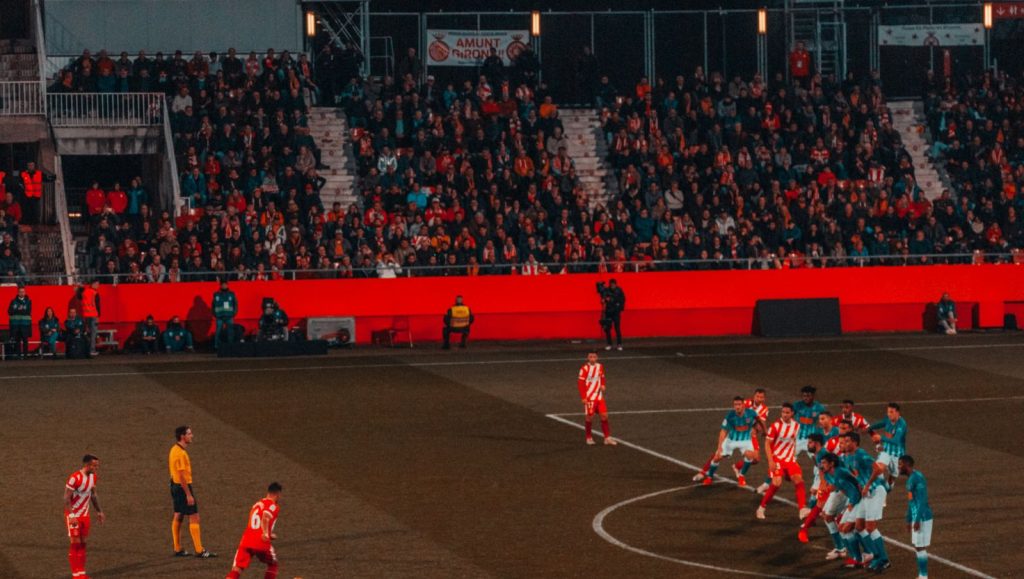
The Premier League clash at Goodison Park between Everton and Arsenal exemplified the intensity and unpredictability of top-flight football in 2025. Everton, playing one of their final matches at the iconic Goodison Park before moving to Bramley-Moore Dock, faced Arsenal in a contest that reflected both teams’ determination to assert dominance. Coming off a challenging defeat to Liverpool, Everton sought a strong response, bolstered by key squad returns like Dwight McNeil and Iliman Ndiaye. Arsenal, missing key defenders like Gabriel and forwards like Gabriel Jesus and Kai Havertz for the season, nonetheless displayed a composed and comprehensive team performance that ultimately saw them secure vital points. The match, blending tactical nuances, individual heroics, and the atmosphere of a historic venue’s closing chapter, offered rich insights into modern soccer’s evolving dynamics. For fans and analysts alike, the encounter underscored how strategic football management, player fitness, and psychological resilience converge to dictate Premier League outcomes in 2025.
Everton’s Tactical Setup and Comeback Drive at Goodison Park
Everton approached the match with a blend of caution and ambition, aiming to exploit home advantage amidst the charged atmosphere of Goodison Park’s twilight days. Manager David Moyes, after orchestrating a remarkable turnaround since his January return resulting in a nine-game unbeaten streak, faced the challenge of reigniting his team’s fighting spirit following a controversial 1-0 loss to Liverpool. The strategic inclusion of Dwight McNeil on the left wing, fueled by his return from injury, exemplified Moyes’ intent to inject creativity and dead-ball prowess into the side. Meanwhile, Iliman Ndiaye’s possible start hinted at a more dynamic attacking option following his substitute appearance in the previous match.
On the defensive front, the Blues’ selection balanced experience and youthful energy, with James Tarkowski anchoring the back line and Jarrad Branthwaite’s intelligent play reading Arsenal’s threat effectively. Notably, the team’s physicality and resilience were tested repeatedly against Arsenal’s precise ball control and attacking intent. The midfield’s role, led by Idrissa Gueye and James Garner, focused on breaking down Arsenal’s rhythm while fostering transition moves to spark counters.
Key tactical highlights for Everton included:
- Deploying Ashley Young in left-back to bolster defensive stability.
- A dual-wing approach with Alcaraz and Harrison creating width and crosses.
- Leveraging set pieces and free-kicks, capitalizing on McNeil’s dead-ball quality.
- Substitutions such as the introduction of Armando Broja to climb the offensive threat.
This tactical setup saw Everton maintain possession in critical phases and repeatedly test Jordan Pickford’s goalkeeping skills, notably with a penalty converted by Ndiaye. Despite being the underdog, Everton’s fightback and ability to absorb pressure highlighted their resilience in a changing Premier League landscape.
| Player | Position | Performance Rating | Key Contribution |
|---|---|---|---|
| James Tarkowski | Centre-back | 7 | Strong defensive blocks and key interceptions |
| Jarrad Branthwaite | Centre-back | 8 | Match reading and last-ditch tackles |
| Dwight McNeil | Left wing | 6 | Creative crosses and set-piece delivery |
| Iliman Ndiaye | Striker | 6 | Penalty goal and constant attacking threat |
For Everton, this match represented more than points; it was about closing an era at Goodison Park with pride. Moyes’s tactical tweaks and player management played a crucial role, particularly in adapting to Arsenal’s structured style of play. It also highlighted challenges surrounding squad depth, injured talents, and the need for effective player fitness strategies, which remain pivotal across Premier League clubs. The episode serves as a case study on how clubs navigate transitions and balance legacy with performance demands, especially in a football world increasingly influenced by transfer market dynamics and loan systems [source].
Arsenal’s Team Performance and Tactical Execution in Premier League Battle
Arsenal’s approach to the Goodison Park fixture embodied a mature and cohesive team performance. Despite the absence of notable players like Gabriel due to season-ending injury, and the confirmed sidelining of Gabriel Jesus and Kai Havertz, Mikel Arteta’s squad demonstrated fluidity in possession and efficient attacking transitions. The Gunners exhibited a calm composure, methodically constructing play through the midfield, with contributions from Odegaard and team stalwarts Bukayo Saka and Leandro Trossard.
Central to Arsenal’s approach was controlling the midfield tempo and exploiting wide areas, while maintaining a solid defensive shape to fend off Everton’s pressure. The early goal from Trossard highlighted Arsenal’s ability to capitalize on transitional moments and swift build-up play. Their defense, orchestrated by a blend of youth and experience, managed to contain Everton’s counterattacks effectively. Tactical substitutions, including bringing in Jurrien Timber to reinforce the backline and introducing Martínelli and Saka as energetic attacking outlets, reflected Arteta’s inspired choices within the current substitution rules [source].
Strengths observed in Arsenal’s performance:
- Disciplined midfield control managing possession dominance.
- Creative wing play leveraging Saka and Martinelli’s pace.
- Effective utilization of free-kicks and corners, despite some missed chances.
- Coordinated defensive efforts reducing Everton’s scoring opportunities.
Arsenal’s display reflected an evolved tactical acumen increasingly seen in Premier League clubs, emphasizing patient build-up and calculated risk-taking. The team’s resilience in navigating injuries and squad rotations speaks to the growing importance of player fitness monitoring and recovery technologies, a trend shaping football’s future landscape [source]. Furthermore, Arteta’s management style, combining tactical flexibility with player empowerment, continues to receive praise, highlighting the significance of coaches’ tactical tweaks [source] in tight league encounters.
| Player | Role | Match Impact | Key Stats |
|---|---|---|---|
| Leandro Trossard | Forward | Match-winning goal | High shot accuracy |
| Bukayo Saka | Winger | Creating chances and pressing | Successful dribbles |
| Martin Odegaard | Midfielder | Midfield control and key passes | Pass completion rate >85% |
| Jurrien Timber | Defender | Calm defensive intervention | Successful tackles and clearances |
Impact of Injuries and Squad Management on Arsenal and Everton’s 2025 Premier League Campaign
The 2025 season places a spotlight on how injuries and squad management influence a club’s trajectory in the demanding Premier League calendar. Arsenal’s misfortune with injuries to key players such as Gabriel and their top attackers has necessitated strategic rotations and increased reliance on squad depth. The absence of star players like Gabriel Jesus and Kai Havertz for the remainder of the season underscores the challenges clubs face in maintaining consistent performance amid physical demands.
For Everton, the gradual reintegration of players like Dwight McNeil and Iliman Ndiaye highlights the delicate balance between managing player fitness and team competitiveness. Moyes’s cautious approach reflects a growing trend among top-flight clubs to prioritize long-term player health over short-term gains, considering the risks of flare-ups and re-injuries. Strategically deploying returning players in key positions not only boosts team morale but also adds fresh impetus to the squad’s tactical options.
Essential elements of effective squad management include:
- Prioritizing rehabilitation and recovery to avoid prolonged absences.
- Utilizing the loan system efficiently to develop fringe players and maximize squad potential [source].
- Ensuring tactical versatility to cover for absences through adaptable formations.
- Balancing matchday squad rotation to sustain physical and mental sharpness.
Managing injuries and squad resources is increasingly complex with the proliferation of data-driven fitness monitoring tools. Clubs now leverage biometric data to tailor training loads and reduce fatigue risks, as seen with Arsenal’s and Everton’s approaches in 2025. This evolution contributes significantly to competitive advantages in tightly contested matches throughout the Premier League season. Monitoring injury trends, player wellness, and strategic substitutions aligns closely with broader efforts to optimize team performance while managing risks in an intense footballing calendar [source].
Controversies, VAR Decisions, and their Influence on Match Outcomes in the Everton vs Arsenal Game
The match at Goodison Park also brought the occasional drama of modern football’s reliance on technology and officiating decisions. Everton’s penalty, awarded after a VAR check for a foul on Jack Harrison, was pivotal in changing the momentum of the contest. However, the controversy surrounding VAR’s application continues to provoke debate among fans and experts alike, particularly concerning consistency and timing.
Everton and Arsenal’s game underscored how video assistant referee technology impacts not only match outcomes but also tactical adjustments and player mindsets. The penalty decision energized Everton and stirred the home crowd, reminding stakeholders of VAR’s dual role as a tool for accuracy and a source of tension. While the technology aims to enhance fairness, football’s evolving landscape still grapples with balancing technological intervention and preserving the game’s flow [source]. The Youtube link reflects the highlights of the game.
Issues raised by VAR in 2025 football matches include:
- Variable interpretation of fouls and handballs across referees and leagues.
- Time delays affecting game tempo and player concentration.
- Challenges in communicating decisions to fans both in stadiums and via broadcasts.
- Psychological effects on players during contentious decisions.
This specific match also witnessed a delayed call on extra time, capturing moments where referees reconsidered decisions mid-play, emphasizing complexities in real-time officiating. VAR remains an integral part of Premier League football but calls for continued refinement to improve clarity and acceptance among all stakeholders. Understanding the technology’s influence is critical for modern club strategies and fan engagement, as football balances tradition with innovation.
The Significance of Goodison Park’s Final Premier League Matches and Club Futures
Goodison Park holds an illustrious place in English football history, and 2025 marks the end of an era as Everton prepares to transfer home fixtures to their new stadium at Bramley-Moore Dock. This season’s closing matches at the Grand Old Lady carry heightened significance, symbolizing both nostalgia and forward-looking ambition for the club. Hosting Arsenal in this transitional phase emphasized the momentous nature of each game.
The emotional resonance of these final matches impacts player performance, fan atmosphere, and club legacy. Everton’s determination to leave Goodison Park with memorable victories is intertwined with the practical aim of securing crucial points for stability in the Premier League table. Meanwhile, Arsenal’s visit represents a chapter where both clubs’ futures converge through competitive spirit and evolving club identities within English soccer.
Factors defining the significance of Goodison Park’s last fixtures include:
- Historical value as one of the oldest football grounds in England.
- Emotional connection for players and supporters across generations.
- Implications for club finances influenced by matchday revenue and ticket sales [source].
- Symbolic transition towards modern stadium infrastructure enhancing fan experience.
Goodison Park’s final season challenges Everton to balance respect for tradition with the pursuit of sporting excellence. The move to Bramley-Moore Dock represents strategic growth, aligning with broader Premier League efforts to modernize venues and improve competitive stature. This evolution impacts recruitment strategies, commercial potential, and fan engagement, marking a pivotal chapter in Everton’s storied club history. Observing how clubs manage these transformational phases offers key insights into football’s cultural and economic dimensions in 2025.