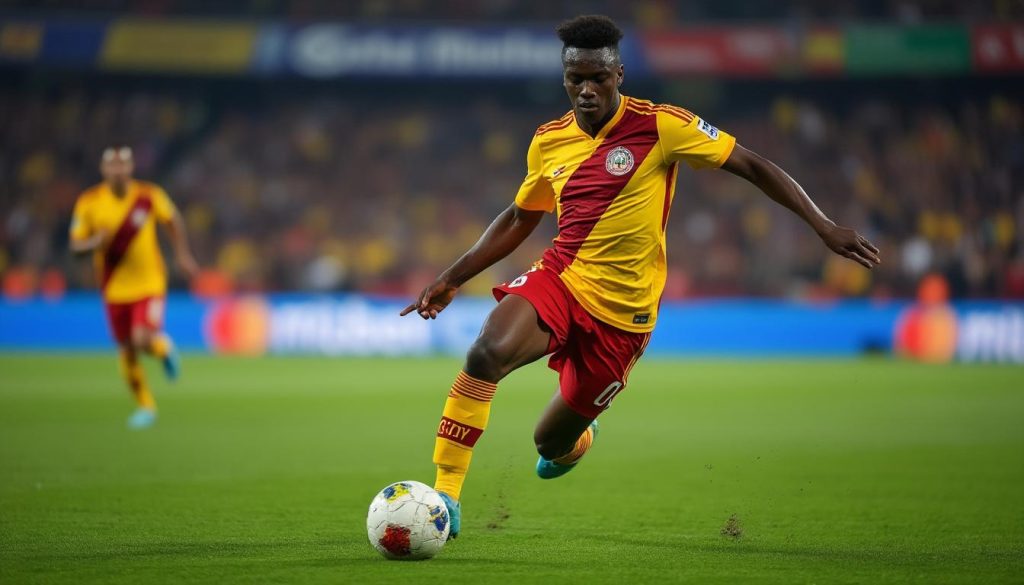
The Africa Cup of Nations 2025, hosted in Morocco from December 21st, 2025 to January 18th, 2026, promises to deliver an electrifying display of football. This 35th edition features 24 national teams battling across nine venues to claim the continent’s most prestigious soccer title. The tournament stages are set against a backdrop of fierce competition, strategic mastermind coaching, and rising stars eager to etch their names into African football history. With the host nation Morocco bolstered by the echoes of their 2022 World Cup triumph and the prominence of seasoned giants such as Senegal, Egypt, and Ivory Coast, the race to lift the trophy is wide open yet intense. As teams display varying forms rooted in recent qualifying performances and international fixtures, fans and analysts alike are delving deep into detailed predictions to identify who reigns supreme in AFCON 2025.
AFCON 2025 is distinguished not just by the quality of the competing teams but by the palpable mix of experience and unyielding ambition shaping the tournament narrative. The balance between tactical discipline, squad depth, and home advantage adds layers of complexity to the contest. Morocco’s hosting role carries both the edge of familiarity and the pressure to prevail, while powerhouses backed by tactical evolution aim to balance form and legacy under relentless scrutiny. This tournament, rich in historic achievements and emerging footballing talent, serves as a defining stage where form and momentum will dictate the most likely victor.
In brief:
- Morocco enters AFCON 2025 with a formidable home advantage and a golden generation energized by their recent World Cup exploits.
- Senegal combines tactical discipline, squad depth, and a strong defensive structure, though it depends heavily on star forward Sadio Mané.
- Egypt rides a legacy of seven titles with Mohamed Salah leading their attack yet faces challenges diversifying their tactical approach.
- Ivory Coast boasts a dynamic attack but needs to address defensive vulnerabilities unveiled during qualification.
- The qualification outcomes reveal a competitive landscape mixing dominant favorites with tantalizing underdogs.
- Football enthusiasts can find detailed team analyses and tournament predictions, including group stage insights and injury updates, at several dedicated resources such as theafcon group stage predictions and current injury news.
How Morocco’s Home Advantage and Recent Form Shape Their AFCON 2025 Title Prospects
Morocco’s dual privileges of hosting AFCON 2025 and sustaining remarkable gameplay from previous international outings solidify their status as tournament favorites. The Atlas Lions’ semi-final finish at the 2022 FIFA World Cup signaled a new level of performance, demonstrating their capacity to compete against footballing powerhouses on the global stage. Their compelling form continued with a flawless qualification campaign—winning all six matches and racking up an impressive goal difference of +24, including multiple matches where they scored four or more goals.
The coaching staff’s strategic emphasis on tactical versatility enables Morocco to adapt fluidly against diverse opponents. Players like Achraf Hakimi, now plying his trade at Paris Saint-Germain, and Manchester United’s Noussair Mazraoui, bring European experience that elevates the team’s quality. Coupled with emerging stars such as Eliesse Ben Seghir and seasoned goal scorers like Youssef En-Nesyri, Morocco’s squad blends youthful energy with seasoned composure.
Nonetheless, the immense pressure of performing on home soil can be a double-edged sword. The expectations from passionate supporters can sometimes translate into psychological burdens that impact stamina and game-day execution. Moreover, player fatigue resulting from rigorous club commitments across Europe is an underlying factor that the Moroccan management must manage through squad rotation and player recovery protocols.
Despite these challenges, Morocco’s familiarity with local venues such as the Prince Moulay Abdellah Stadium in Rabat provides a significant advantage, both tactically and mentally. The synergy of fan support and climatic acclimatization often tips critical moments in favor of the hosts, making Morocco a compelling candidate to claim their second AFCON title since 1976.
For enthusiasts interested in Morocco’s preparation and player form, expert analysis is available on platforms like the strongest nations competing at AFCON 2025, outlining their strengths and possible pitfalls in the tournament’s dynamic environment.
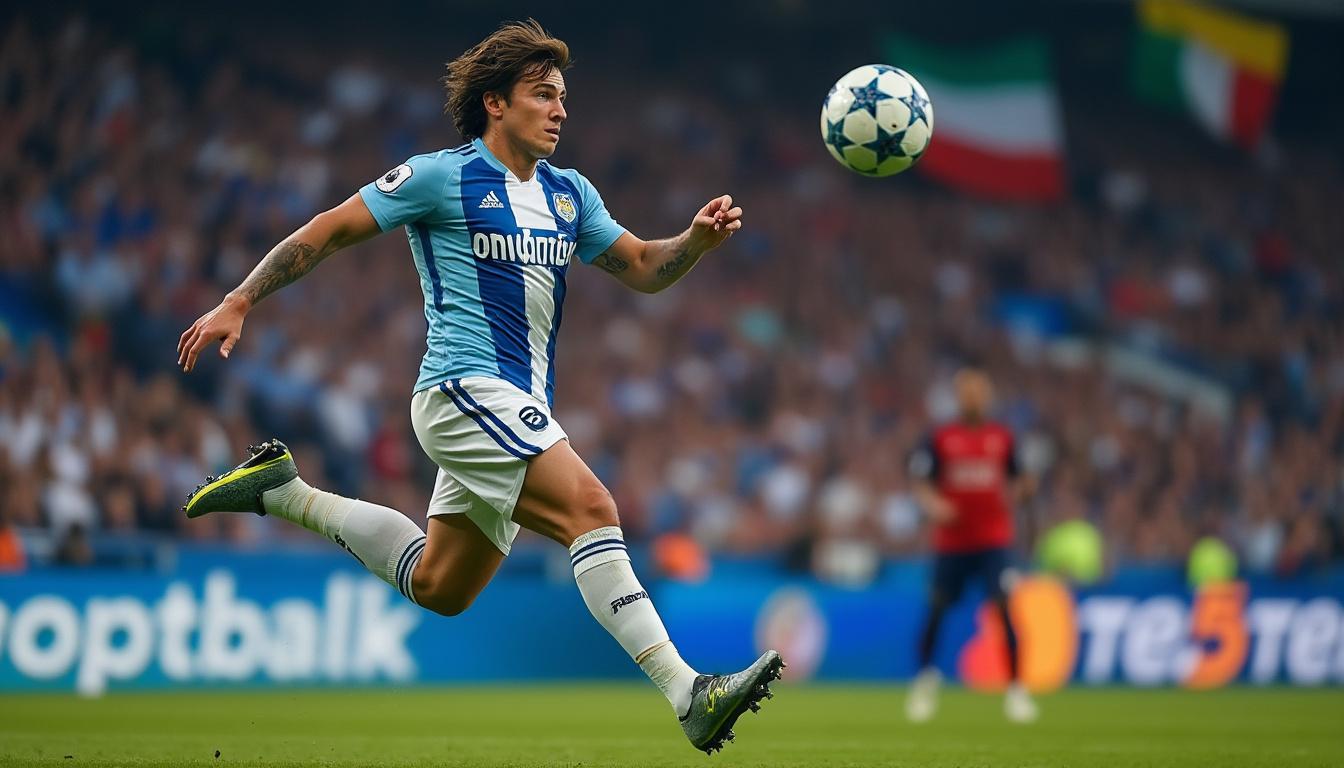
Senegal’s Tactical Prowess and Squad Depth: Key Components for AFCON 2025 Success
Senegal, the reigning AFCON champions from 2021, carry their winning legacy with confidence. Their disciplined approach focuses on a solid defensive line combined with swift, incisive counterattacks. This tactical blueprint is crafted by coach Aliou Cissé and underpinned by a squad boasting a blend of experienced leaders and emerging talents. Senegal’s unbeaten qualifying group performance—comprising five wins and one draw with only one goal conceded—demonstrates their consistency and resilience.
Sadio Mané, the prolific forward now at Al-Nassr, remains the focal point of Senegal’s attack, drawing global attention for his skill and leadership. However, the team’s dependency on Mané also poses tactical challenges. Opponents are likely to design defensive strategies specifically to curtail his influence, which could expose Senegal’s need for secondary goal sources or tactical variation.
Defensively, stalwarts like Kalidou Koulibaly provide a rock-solid foundation, but the team must continue to evolve their approach, especially when facing low-block defensive opponents or rapid counter-strikers. The physical demands of European club football on key players introduce an element of unpredictability because injuries or fatigue can diminish Senegal’s effectiveness.
Senegal’s collective strength lies not only in individual brilliance but also in tactical cohesion and mental toughness. Their recent World Cup performances and unbeaten run in AFCON qualifying highlight their readiness to compete at the highest continental level. Football fans seeking further detailed match analysis and live updates can explore the Senegal vs Brazil friendly insights, which offer a glimpse into their current form and tactical evolution (Senegal match analysis).
Examining Egypt’s Quest to Combine Legacy with Tactical Innovation in AFCON 2025
Egypt’s storied history in AFCON, boasting seven titles, frames high expectations for the Pharaohs in the 2025 edition. However, the recent qualifications exposed a need for evolution. While Mohamed Salah remains an iconic figure capable of turning matches, Egypt’s reliance on him can render their offense predictable. The squad’s conservative tactics often prioritize defensive resilience over offensive creativity, leading to cautious play that may not suffice against more dynamic opposition.
Despite topping their qualifying group with four wins and two draws, Egypt exhibited signs of stagnation late in the campaign with draws against lower-ranked teams. This hints at tactical predictability and a potential lack of alternative attacking threats. Emerging talents and growing youth development programs, however, promise fresh tactical options, signaling a possible shift in Egypt’s style.
The physical and mental demands on Salah—highlighted by previous injury disruptions such as his hamstring issue during AFCON 2023—underscore the importance of squad depth for the Pharaohs. Success in AFCON 2025 will likely depend on how well the coaching staff integrates new creative players who alleviate the burden on their star forward while retaining Egypt’s hallmark defensive solidity.
Egyptian football remains a global media sensation, with extensive coverage through channels like BeIN Sports and Canal+, ensuring that every tactical twist and player performance is scrutinized by millions worldwide. For supporters interested in a detailed breakdown of Egypt’s squad form and tactical shifts, further resources such as favorite team insights can offer comprehensive perspectives on their AFCON 2025 ambitions.
Ivory Coast’s Offensive Firepower and Defensive Challenges in the 2025 AFCON Tournament
The defending champions, Ivory Coast, enter AFCON 2025 with high expectations. Their attacking ensemble, featuring seasoned names like Sébastien Haller and Franck Kessié, supplemented by promising young talents, creates a vibrant forward line that has proven capable of dismantling opposing defenses. Their World Cup qualifying campaign was notable for delivering 10 clean sheets in 10 matches, revealing defensive potential, yet the AFCON qualification unveiled cracks that need addressing to ensure tournament success.
During qualification, Ivory Coast finished second behind Zambia, revealing some inconsistency and vulnerability, especially when countered by quick opposition breakaways. These defensive gaps serve as focal areas for improvement in preparation camps ahead of AFCON 2025. Balancing their attack-minded approach with improved defensive organization appears vital if they are to defend their title successfully.
The Elephants’ footballing culture is steeped in resilience, and the squad’s hunger to extend their success adds an emotional edge to their campaign. Their dynamic playstyle encourages rapid transitions and persistent pressure, features that promise entertaining matches for spectators.
Tracking Ivory Coast’s development and tactical adjustments as the tournament progresses can be done effectively through detailed analyses, including breakout team features such as those found at AFCON breakout teams 2025, providing valuable foresight into how the Elephants might evolve their gameplay to maximize success.
AFCON 2025 Tournament Contenders: A Comparative Analysis of Form and Potential
The array of teams competing in AFCON 2025 presents a complex thriller with Morocco, Senegal, Egypt, and Ivory Coast standing out as primary contenders based on form, tactical readiness, and player quality. Their qualification campaigns offer clear indicators of strengths and weaknesses that will influence the tournament’s unfolding drama.
| Team | Main Strength | Main Weakness | AFCON Titles |
|---|---|---|---|
| Morocco | Home advantage and emerging golden generation | Host country pressure and player fatigue risks | 1 |
| Senegal | Balanced squad with tactical discipline | Heavy reliance on Sadio Mané for offense | 1 |
| Egypt | Seven-time champions with Mohamed Salah leadership | Overdependence on Salah, conservative playing style | 7 |
| Ivory Coast | Dynamic attack and youthful energy | Defensive vulnerabilities exposed in qualifiers | 2 |
List of Key Factors Influencing AFCON 2025 Outcomes
- Tactical flexibility and the ability to adapt formations against diverse opponents.
- Player fitness management, particularly for those active in demanding European leagues.
- Home advantage impact, including fan support and familiarity with playing conditions.
- Squad depth to counter injuries and fatigue over the tournament duration.
- Effective offensive strategies to diversify goal threats beyond star players.
These variables intertwine with external factors such as climatic conditions in Morocco during the tournament, the psychological burden borne by favorites, and the unpredictable nature of knockout-stage football. Fans looking for a comprehensive understanding of AFCON 2025’s evolving storylines can follow exclusive insights through detailed group analyses available at AFCON 2025 group previews and top favorites under current form assessments (top 5 favorites).
Who are the top favourites to win AFCON 2025 based on recent form?
Based on recent qualifying performances and team strength, Morocco, Senegal, Egypt, and Ivory Coast are considered the leading contenders for the AFCON 2025 title.
How does Morocco’s home advantage influence their chances?
Morocco benefits greatly from hosting, including strong fan support and familiarity with local conditions, but also faces added pressure and the challenge of managing player fatigue.
What tactical style defines Senegal’s team at AFCON 2025?
Senegal emphasizes a disciplined defensive structure combined with rapid counterattacks, relying primarily on Sadio Mané’s offensive creativity to spearhead attacks.
Who is the key player to watch for the Egyptian national team?
Mohamed Salah continues to be the pivotal figure in Egypt’s attack, around whom much of the team’s tactics are designed.
What are the main challenges that Ivory Coast faces in AFCON 2025?
Ivory Coast needs to address defensive vulnerabilities exposed during qualification while maintaining their strong attacking play to succeed in the tournament.